Tag: Financial Management

  • Depositing Cash at Bank: Methods, Benefits, and Security Considerations

    Depositing Cash at Bank: Methods, Benefits, and Security Considerations

    Depositing cash at bank is a crucial aspect of financial management, offering numerous benefits and security considerations. In this comprehensive guide, we delve into the various methods of depositing cash, exploring their advantages, potential risks, and practical tips to ensure a safe and seamless experience.

    From understanding the steps involved in each deposit method to identifying common issues and troubleshooting solutions, this guide empowers you with the knowledge to navigate the process of depositing cash at a bank confidently and effectively.

    Depositing Cash at Bank: Methods

    Depositing cash into a bank account can be done through various methods, each with its own set of steps, fees, and limits. Understanding these methods is crucial for efficient and secure cash deposits.

    At the Bank Teller

    • Steps:Visit a bank branch during business hours, fill out a deposit slip, and present it along with the cash to the teller. The teller will verify the information and credit the funds to your account.
    • Fees:Typically free for basic accounts, but some banks may charge a small fee for non-customers.
    • Limits:Banks may have daily or monthly limits on cash deposits, especially for large amounts.

    Automated Teller Machine (ATM)

    • Steps:Insert your bank card into the ATM, enter your PIN, select the “Deposit” option, and follow the on-screen instructions. The ATM will count and credit the cash to your account.
    • Fees:Some ATMs may charge a fee for non-customers or for depositing large amounts.
    • Limits:ATMs typically have lower deposit limits compared to tellers.

    Mobile Banking

    • Steps:Download your bank’s mobile app, log in to your account, select the “Deposit” option, and follow the instructions. The app will guide you through taking a picture of the check or entering the cash amount and confirming the deposit.

    • Fees:Mobile deposits are usually free for basic accounts, but some banks may charge a fee for large deposits.
    • Limits:Mobile banking often has lower deposit limits than other methods.

    Night Deposit Box

    • Steps:Access the night deposit box located outside the bank, fill out a deposit slip, seal the cash and deposit slip in an envelope, and drop it into the box. The bank will process the deposit the next business day.

    • Fees:Typically free for business accounts, but some banks may charge a fee for personal accounts.
    • Limits:Night deposit boxes may have higher deposit limits compared to other methods.

    Benefits of Depositing Cash at Bank

    Depositing cash at bank

    Depositing cash at a bank offers numerous advantages that can enhance financial management, provide security, and generate returns. Understanding these benefits can help individuals and businesses make informed decisions about handling their cash.

    Manage Finances Effectively

    Depositing cash into a bank account provides a structured way to track and manage finances. Bank statements and online banking platforms offer real-time visibility into transactions, allowing individuals to monitor their cash flow, identify spending patterns, and plan for the future.

    This organized approach to cash management helps avoid overspending, control debt, and make informed financial decisions.

    Protect Against Theft and Loss

    Keeping large amounts of cash on hand poses a significant risk of theft or loss. Depositing cash in a bank provides a secure and insured way to protect funds. Banks employ robust security measures, including vaults, alarms, and surveillance systems, to safeguard deposits.

    In case of theft or loss, bank insurance policies often provide coverage, giving depositors peace of mind.

    Earn Interest and Grow Savings

    Depositing cash in an interest-bearing account can generate returns over time. Banks offer various types of accounts, such as savings accounts and money market accounts, that pay interest on deposited funds. While interest rates may vary, earning even a small percentage on savings can help individuals accumulate wealth and achieve financial goals.

    Convenience and Accessibility

    Depositing cash at a bank is convenient and accessible. Most banks have multiple branches and ATMs located in convenient areas, allowing individuals to make deposits at their own time and schedule. Additionally, online and mobile banking platforms enable remote deposits, providing even greater flexibility and convenience.

    Security Considerations When Depositing Cash at Bank
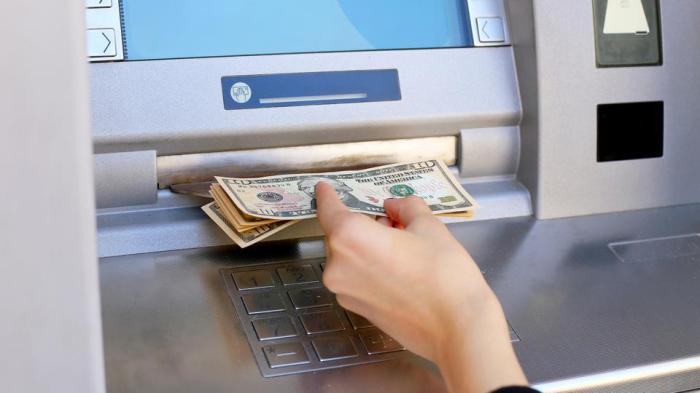
    Atm deposit deposits bank depositing debit model dignited revolves below

    Depositing cash at a bank generally involves visiting a physical branch, making it essential to prioritize personal safety and protect financial assets. Understanding potential risks and implementing appropriate security measures is crucial to ensure a smooth and secure transaction.

    Choosing a Safe Location and Time

    • Opt for well-lit and populated bank branches during regular business hours.
    • Avoid carrying large amounts of cash visibly, especially in crowded areas.
    • Park your vehicle in a secure location and be aware of your surroundings.

    Protecting Personal Information

    • Conceal your PIN when entering it at the ATM or teller window.
    • Avoid disclosing personal or financial information to strangers.
    • Report any lost or stolen bank cards immediately to prevent unauthorized access.

    Preventing Fraud

    • Be wary of individuals offering to help with cash deposits or unsolicited financial advice.
    • Check the authenticity of bank personnel by verifying their identification badges.
    • Inspect the ATM thoroughly for any suspicious devices or tampering.

    Troubleshooting Common Issues with Cash Deposits

    Encountering problems while depositing cash at the bank is not uncommon. Here’s a guide to help you identify and resolve common issues:

    Incorrect Amount Deposited

    • Verify the deposit slip carefully to ensure the amount entered matches the cash deposited.
    • Recount the cash and check for any missing or excess bills.
    • If the discrepancy persists, contact the bank immediately for assistance.

    Deposit Slip Errors

    • Ensure all required fields on the deposit slip are filled out accurately.
    • Double-check the account number and name to prevent funds from being deposited into the wrong account.
    • If an error is identified, request a new deposit slip from the bank.

    ATM Issues

    • Verify that the ATM is functioning correctly and accepts cash deposits.
    • Follow the instructions on the ATM screen carefully and insert the cash as directed.
    • If the ATM malfunctions or fails to recognize the cash, contact the bank’s customer support line.

    Rejected Deposits

    • Deposits may be rejected due to damaged or counterfeit bills.
    • Inspect the cash carefully and remove any suspicious or torn bills.
    • If the deposit is still rejected, contact the bank for further assistance.

    Bank Support, Depositing cash at bank

    If you encounter any unresolved issues, contact your bank’s customer support team for assistance. They can provide further guidance and resolve any outstanding problems.

    Alternative Options to Depositing Cash at Bank

    Depositing cash at bank

    In today’s digital era, there are numerous alternative methods to deposit cash without visiting a physical bank branch. These alternatives offer convenience, accessibility, and often faster processing times.

    Let’s explore the various alternative deposit options, their advantages, and factors to consider when choosing one.

    ATMs (Automated Teller Machines)

    • Advantages:ATMs provide 24/7 access, eliminating the need to visit a bank during business hours. They are widely available, making it easy to find one near you.
    • Disadvantages:Not all ATMs accept cash deposits. Some ATMs may have daily deposit limits, and some may charge fees for the service.

    Mobile Banking Apps

    • Advantages:Mobile banking apps allow you to deposit checks and cash remotely using your smartphone. They offer convenience and save you time by eliminating the need to go to a bank.
    • Disadvantages:Not all banks offer mobile check deposit features. Some apps may have deposit limits, and there may be security concerns to consider.

    Third-Party Services

    • Advantages:Third-party services like MoneyGram or Western Union allow you to deposit cash at participating retail locations, such as convenience stores or grocery stores. This can be convenient if you don’t have a bank account or prefer not to use ATMs or mobile banking.

    • Disadvantages:Third-party services typically charge fees for their services, which can vary depending on the amount you’re depositing and the service provider.

    Factors to Consider When Choosing an Alternative Deposit Method

    • Convenience:Consider the accessibility and availability of the deposit method. How easy is it to find a location where you can make a deposit?
    • Fees:Determine if there are any fees associated with the deposit method. Some ATMs or third-party services may charge a fee for their services.
    • Security:Ensure that the deposit method you choose is secure and protects your personal and financial information.
    • Deposit Limits:Be aware of any deposit limits imposed by the deposit method. Some ATMs or mobile banking apps may have daily or monthly deposit limits.

    Conclusion

    Whether you’re seeking to safeguard your funds, earn interest, or simply manage your finances efficiently, depositing cash at a bank remains a fundamental practice. By embracing the insights and strategies Artikeld in this guide, you can harness the benefits of this financial service while mitigating potential risks.

    FAQs

    What are the most common methods for depositing cash at a bank?

    The most common methods include teller deposits, ATM deposits, mobile banking deposits, and night depository services.

    What are the advantages of depositing cash at a bank?

    Depositing cash at a bank offers benefits such as protecting funds from theft or loss, earning interest, and facilitating convenient access to funds.

    What security measures should be taken when depositing cash at a bank?

    To ensure security, choose a well-lit and populated location, be aware of your surroundings, and protect your personal information from fraud.

  • Business Consolidation Loans: A Comprehensive Guide to Debt Consolidation for Businesses

    Business Consolidation Loans: A Comprehensive Guide to Debt Consolidation for Businesses

    Business consolidation loans take center stage in this illuminating narrative, inviting readers to delve into a world of financial strategies and debt management solutions. This comprehensive guide unveils the intricate details of consolidation loans, empowering businesses with the knowledge to navigate the complexities of debt and emerge with renewed financial strength.

    From understanding the types of consolidation loans available to exploring the factors that influence loan approval, this guide provides a roadmap for businesses seeking to streamline their debt obligations and achieve long-term financial stability.

    Overview of Business Consolidation Loans

    Business consolidation loan

    Business consolidation loans are financial solutions designed to simplify and streamline business operations by consolidating multiple debts into a single, manageable loan. This consolidation process offers several benefits, including reduced interest expenses, improved cash flow, and simplified debt management.

    Businesses of various sizes and industries can benefit from consolidation loans. Companies with high-interest debts, multiple loan payments, or a need to improve their credit profile are prime candidates for this type of financing.

    Types of Business Consolidation Loans

    There are two primary types of business consolidation loans:

    • Secured Consolidation Loans:These loans require collateral, such as real estate or equipment, to secure the loan. Secured loans typically offer lower interest rates and longer repayment terms.
    • Unsecured Consolidation Loans:These loans do not require collateral. They typically have higher interest rates and shorter repayment terms than secured loans.

    Factors to Consider When Applying for a Business Consolidation Loan

    Business consolidation loan

    When applying for a business consolidation loan, several factors influence the lender’s decision-making process. Understanding these factors can increase your chances of loan approval and secure favorable terms.

    Creditworthiness

    Lenders evaluate your business’s credit history and score to assess its financial stability and ability to repay the loan. A strong credit history, with timely payments and a high score, indicates a lower risk to the lender.

    Debt-to-Income Ratio, Business consolidation loan

    The debt-to-income ratio measures your business’s ability to manage its existing debt obligations relative to its income. A high ratio indicates a higher risk of default and can negatively impact loan approval.

    Cash Flow

    Lenders assess your business’s cash flow to ensure it can cover loan repayments while maintaining operational expenses. A steady and sufficient cash flow demonstrates the business’s financial stability and ability to meet its obligations.

    Business Plan

    A well-defined business plan Artikels your business’s financial goals, strategies, and growth potential. It provides lenders with a clear understanding of your business’s viability and future prospects.

    Collateral

    Some lenders may require collateral, such as real estate or equipment, to secure the loan. Providing collateral reduces the lender’s risk and can improve your chances of approval.

    Industry and Market Analysis

    Lenders consider the industry and market your business operates in. They evaluate factors such as competition, growth potential, and economic conditions to assess the business’s long-term viability.

    Tips for Improving Your Chances of Loan Approval

    • Maintain a strong credit history by making timely payments and managing debt responsibly.
    • Keep your debt-to-income ratio low by reducing existing debt or increasing income.
    • Generate a steady and sufficient cash flow by optimizing operations and exploring new revenue streams.
    • Develop a comprehensive business plan that Artikels your financial goals, strategies, and growth potential.
    • Consider providing collateral to reduce the lender’s risk and improve your chances of approval.

    Benefits and Drawbacks of Business Consolidation Loans

    Consolidating business debts can offer advantages and disadvantages. Understanding these factors helps businesses make informed decisions. Advantages

    • Simplified Debt Management:Consolidation combines multiple debts into one, reducing the number of payments and simplifying accounting.
    • Lower Interest Rates:Consolidation loans often secure lower interest rates than individual business debts, saving money on interest expenses.
    • Improved Cash Flow:By reducing the total monthly debt payments, consolidation frees up cash flow for other business needs.

    Disadvantages

    • Extended Loan Term:Consolidation loans may have longer repayment periods, which can increase the overall interest paid.
    • Credit Score Impact:Applying for a consolidation loan can trigger a credit inquiry, which may temporarily lower the business’s credit score.
    • Additional Fees:Some consolidation loans come with fees, such as origination fees or prepayment penalties, which can add to the overall cost.

    Impact on Cash FlowConsolidation loans can significantly improve cash flow by reducing the total monthly debt payments. This freed-up cash can be used for business expansion, investment, or working capital. Impact on Interest RatesConsolidation loans typically secure lower interest rates than individual business debts. This can result in significant savings on interest expenses over the loan term.

    Impact on Credit ScoresApplying for a consolidation loan can trigger a credit inquiry, which may temporarily lower the business’s credit score. However, if the business makes timely payments on the consolidation loan, it can improve its credit score in the long run. Example:A small business with multiple high-interest loans consolidated its debts into a single consolidation loan with a lower interest rate.

    This reduced their monthly payments by 20%, freeing up cash flow for inventory expansion. Example:Another business experienced a temporary credit score drop after applying for a consolidation loan. However, by consistently making timely payments, their credit score rebounded within a year.

    Alternatives to Business Consolidation Loans

    When exploring options to manage debt, businesses may consider alternatives to business consolidation loans. These alternatives offer varying terms, interest rates, and repayment structures, each with its own advantages and disadvantages. Understanding these alternatives can help businesses make informed decisions based on their specific financial needs.

    Equity Financing

    Equity financing involves selling a portion of the business to investors in exchange for capital. This option can provide access to significant funding without incurring debt. However, it dilutes ownership and control of the business.

    • Pros:No monthly payments, potential for long-term growth.
    • Cons:Loss of ownership, potential for conflicts with investors.

    Invoice Factoring

    Invoice factoring involves selling outstanding invoices to a factoring company at a discount. This provides immediate cash flow but typically comes with higher interest rates than traditional loans.

    • Pros:Quick access to cash, no personal guarantees required.
    • Cons:Higher costs, potential damage to customer relationships.

    Line of Credit

    A line of credit provides access to a revolving pool of funds that can be drawn upon as needed. It offers flexibility but requires regular interest payments even when funds are not utilized.

    • Pros:Flexibility, no restrictions on use of funds.
    • Cons:Interest charges on unused funds, potential for overdraft fees.

    Government Grants

    Government grants provide non-repayable funding to businesses that meet specific criteria. While they can be a valuable source of capital, they are often competitive and may require significant time and effort to secure.

    • Pros:No repayment required, potential for substantial funding.
    • Cons:Highly competitive, may require specific qualifications.

    Case Studies and Success Stories

    Consolidation loans have proven to be a valuable tool for businesses looking to improve their financial health. Here are a few case studies of businesses that have successfully utilized consolidation loans:

    Case Study 1: Small Business with High-Interest Debt

    A small business owner with multiple high-interest loans was struggling to keep up with payments. The business had a good track record and strong cash flow, but the high interest rates were eating into profits. The business owner consolidated their loans into a single loan with a lower interest rate, freeing up cash flow and reducing monthly payments.

    Case Study 2: Business with Seasonal Cash Flow

    A business with seasonal cash flow was facing cash flow shortages during the off-season. The business owner used a consolidation loan to bridge the gap during these periods, ensuring they could meet their expenses and avoid late payments.

    Case Study 3: Business with Expansion Plans

    A business with expansion plans needed additional capital to purchase new equipment and hire more staff. The business owner consolidated their existing loans and used the extra cash flow to fund their expansion plans, resulting in increased revenue and profitability.

    Long-Term Impact of Consolidation Loans

    Consolidation loans can have a significant long-term impact on businesses. By reducing interest expenses and freeing up cash flow, businesses can improve their financial stability, increase profitability, and invest in growth opportunities. Additionally, consolidation loans can simplify financial management and improve credit scores, making it easier to secure future financing.

    Epilogue

    Debt consolidation cons pros

    As we conclude our exploration of business consolidation loans, it becomes evident that these financial tools can be instrumental in revitalizing a business’s financial health. By carefully considering the advantages and disadvantages, businesses can make informed decisions that align with their specific needs and goals.

    Whether it’s improving cash flow, reducing interest expenses, or enhancing creditworthiness, consolidation loans offer a path towards financial freedom and sustainable growth.

    FAQ Summary

    What are the primary benefits of business consolidation loans?

    Consolidation loans simplify debt management by combining multiple debts into a single, manageable payment. This streamlined approach reduces interest expenses, improves cash flow, and enhances credit scores.

    How can businesses improve their chances of loan approval?

    Strong financial statements, a clear business plan, and a solid credit history are crucial for loan approval. Businesses should also demonstrate their ability to repay the loan and Artikel how the funds will be used to improve the company’s financial health.

    What are some alternatives to business consolidation loans?

    Invoice factoring, merchant cash advances, and equity financing are alternative options for businesses seeking to manage debt. Each option has its own advantages and disadvantages, and businesses should carefully consider their specific needs before making a decision.

  • Add Money to Chime Card: Effortless Funding for Financial Freedom

    Add Money to Chime Card: Effortless Funding for Financial Freedom

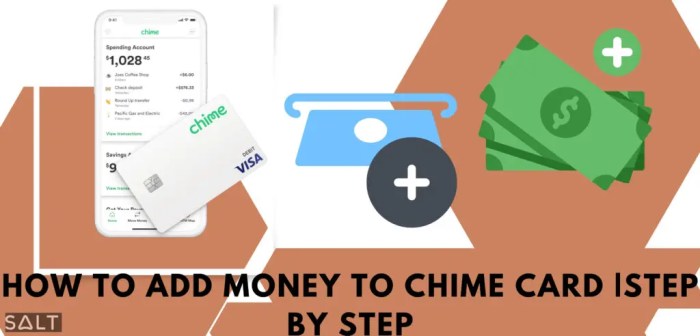
    Add money to chime card – With the Chime card, adding money has never been easier. Discover the seamless ways to fund your account, empowering you with financial control and convenience. From direct deposits to mobile check deposits, this guide will unravel the options available, ensuring you make the most of your Chime card experience.

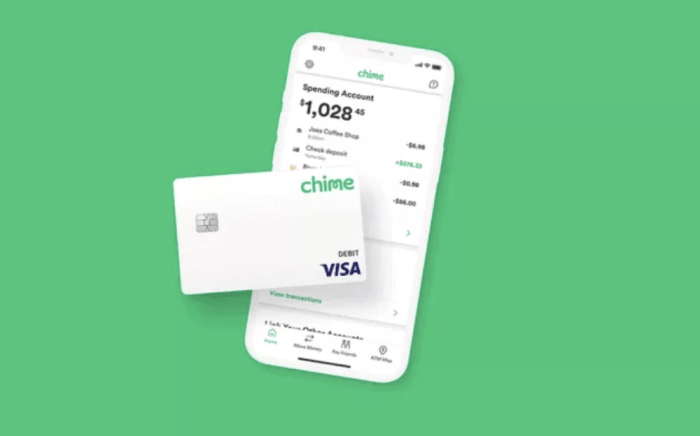
    Dive into the Chime mobile app’s intuitive features that revolutionize money management. Track expenses, set budgets, and transfer funds with ease. Learn how to maximize the app’s capabilities, gaining unparalleled financial clarity and control.

    Methods to Add Money to Chime Card

    Add money to chime card

    Chime offers several convenient methods to add money to your Chime card, providing you with flexibility and ease in managing your finances.

    The available options include direct deposit, mobile check deposit, cash deposit, and bank transfer. Each method has its unique advantages and limitations, which we will explore in detail below.

    Direct Deposit

    Direct deposit is the most common and convenient way to add money to your Chime card. You can arrange for your employer, government agencies, or other entities to deposit funds directly into your Chime account on a regular basis, such as bi-weekly or monthly.

    This method is advantageous as it automates the process of adding money, ensuring that you receive your funds on time without any manual effort. Additionally, direct deposits are typically processed quickly, making the funds available to you almost immediately.

    Mobile Check Deposit

    Chime’s mobile check deposit feature allows you to add money to your card by taking a picture of a physical check using your smartphone’s camera. This eliminates the need to visit a physical bank or ATM, providing convenience and accessibility.

    To use this service, you will need to download the Chime mobile app and follow the on-screen instructions. The app will guide you through the process of capturing the check image, verifying the details, and submitting the deposit.

    It’s important to note that mobile check deposits may take some time to process, typically within 1-2 business days. Additionally, there may be limits on the amount of money you can deposit using this method.

    Cash Deposit

    If you prefer to add cash to your Chime card, you can do so at any Green Dot location, such as a participating retailer or a Green Dot MoneyPak Reload Center.

    To make a cash deposit, you will need to bring your Chime card and the cash you wish to add. The teller will assist you in completing the transaction, which typically involves a small fee. The funds will be added to your Chime account immediately.

    Bank Transfer

    You can also add money to your Chime card through a bank transfer from another bank account. This method involves initiating a transfer from your external bank account to your Chime account using the Chime mobile app or website.

    To set up a bank transfer, you will need to provide the routing number and account number of your external bank account. The transfer process may take 1-3 business days to complete, and there may be fees associated with the transaction, depending on your bank’s policies.

    Mobile App Features for Money Management

    The Chime mobile app empowers users with a suite of features designed to simplify money management. By leveraging these features, individuals can gain control over their finances, track expenses, set budgets, and transfer funds effortlessly.

    Setting Up and Using the App

    To unlock the app’s capabilities, users can download it from the App Store or Google Play. After installation, a straightforward setup process guides them through account creation and linking their Chime card. Once set up, the app’s intuitive interface provides a clear overview of account balances, recent transactions, and upcoming bills.

    Expense Tracking and Budgeting

    The Chime app’s expense tracking feature allows users to categorize and monitor their spending habits. By analyzing this data, they can identify areas where they may need to adjust their spending. Additionally, the app’s budgeting tools enable users to set spending limits for specific categories, ensuring they stay within their financial goals.

    Fund Transfers

    The Chime app facilitates seamless fund transfers between Chime accounts and external bank accounts. Users can initiate transfers directly from the app, eliminating the need for traditional methods such as bank branches or ATMs. This convenience empowers users to manage their finances from anywhere, at any time.

    Maximizing App Capabilities

    • Regularly review the app’s expense tracking data to identify spending patterns and adjust accordingly.
    • Set realistic budgets that align with your financial goals and stick to them.
    • li>Utilize the fund transfer feature to consolidate finances and streamline payments.

    • Explore the app’s additional features, such as direct deposit alerts and savings goals, to further enhance your money management experience.

    Fees and Limits Associated with Chime Card

    Add money to chime card

    Adding money to a Chime card is generally free, but there are some fees and limits to be aware of. Understanding these charges can help you avoid unnecessary expenses and optimize your money management.

    Cash Deposits

    Chime charges a fee of $2.50 for cash deposits made at retail locations, such as Walmart and CVS. This fee is charged by the retailer, not Chime, and it is important to factor it into your budgeting.

    Mobile Check Deposits

    Chime offers mobile check deposits as a convenient way to add money to your account. However, there are limits on the amount you can deposit each day and month. The daily limit is $5,000, and the monthly limit is $10,000. If you exceed these limits, you may be charged a fee.

    Avoiding Fees

    There are a few strategies you can use to avoid fees when adding money to your Chime card:

    • Use direct deposit: Setting up direct deposit from your employer or other sources is free and eliminates the need for other deposit methods.
    • Use the Chime SpotMe feature: Chime offers a SpotMe feature that allows you to overdraft your account up to $200 without paying fees. This can be helpful for covering small expenses or unexpected costs.
    • Consider other methods: If you have a bank account with another institution, you can transfer money to your Chime card using ACH transfer. This method is typically free, but it may take a few days for the funds to appear in your account.

    Security Measures for Chime Card Transactions: Add Money To Chime Card

    Chime implements a comprehensive suite of security measures to safeguard user funds during transactions, ensuring the protection of sensitive financial data.

    Encryption Methods:Chime employs industry-standard encryption protocols, such as 256-bit SSL encryption, to encrypt all data transmitted between users and Chime servers. This encryption scrambles data, making it unreadable to unauthorized parties, even if intercepted.

    Fraud Detection Systems

    Chime utilizes advanced fraud detection systems that monitor transactions in real-time, identifying suspicious patterns and potential fraudulent activity. These systems analyze factors such as transaction amounts, locations, and device usage to detect anomalies and prevent unauthorized access to user accounts.

    Additional Safeguards

    • Multi-Factor Authentication:Chime requires users to verify their identity through multiple factors, such as a password and a one-time code sent via SMS, before completing transactions.
    • Transaction Limits:Chime sets limits on the amount of money that can be added to a Chime card at a time, helping to mitigate the impact of potential fraud.
    • Dispute Resolution Process:Chime provides a dedicated dispute resolution process for users to report unauthorized transactions and seek reimbursement for lost funds.

    Tips for Enhancing Security

    • Use Strong Passwords:Create unique and complex passwords that are difficult to guess or crack.
    • Enable Two-Factor Authentication:Activate two-factor authentication to add an extra layer of security to your account.
    • Monitor Transactions Regularly:Review your transaction history frequently to identify any unauthorized activity.
    • Report Suspicious Activity:Contact Chime immediately if you suspect any fraudulent activity on your account.

    Comparison of Chime Card to Other Prepaid Cards

    Chime card stands out among prepaid cards with its competitive features and benefits. However, it’s essential to compare it to other popular options to make an informed decision.

    Features and Benefits, Add money to chime card

    Chime card offers a range of features, including fee-free transactions, early paycheck access, and mobile app-based money management tools. Other prepaid cards may provide similar features, but the details and limitations can vary.

    Fees

    Fees associated with prepaid cards can significantly impact their overall value. Chime card charges no monthly maintenance fees, but other cards may impose such fees. Additionally, transaction fees, ATM withdrawal fees, and other charges should be considered when comparing cards.

    Accessibility

    Accessibility refers to the ease of obtaining and using a prepaid card. Chime card is widely available and can be obtained online or through retail partners. Other prepaid cards may have different distribution channels and may not be as accessible.

    Customer Support

    Reliable customer support is crucial for resolving issues and managing account-related queries. Chime card offers 24/7 customer support via phone, email, and live chat. Other prepaid cards may have varying levels of customer support, which should be taken into account.

    Key Differences Between Chime Card and Competitors
    Feature Chime Card Competitor A Competitor B
    Monthly Maintenance Fee $0 $5 $10
    Transaction Fees None $0.50 per transaction $1 per transaction
    ATM Withdrawal Fees $2.50 (out-of-network) $3 (out-of-network) $4 (out-of-network)
    Early Paycheck Access Yes Yes No
    Mobile App Features Budgeting tools, spending insights Basic account management Advanced financial planning tools
    Customer Support 24/7 via phone, email, live chat Limited hours via phone, email Live chat only during business hours

    Ultimately, the best prepaid card for an individual depends on their specific needs and preferences. By comparing the features, benefits, and limitations of different options, including Chime card and its competitors, consumers can make an informed decision that aligns with their financial goals.

    Summary

    Chime routing banking delete unlink

    Whether you’re navigating fees associated with Chime card transactions or exploring security measures to safeguard your funds, this comprehensive guide has you covered. Discover the intricacies of Chime card usage, empowering you to make informed decisions and maximize its benefits.

    Embrace financial freedom with Chime card, your trusted companion in financial empowerment.

    Essential FAQs

    What is the easiest way to add money to my Chime card?

    Direct deposit is the most convenient method, allowing you to have your paycheck or other payments deposited directly into your Chime account.

    Can I add cash to my Chime card?

    Yes, you can add cash to your Chime card at participating retail locations. However, a fee may be associated with this service.

    How do I set up mobile check deposit on my Chime app?

    Within the Chime app, navigate to the ‘Deposit Checks’ section and follow the on-screen instructions to capture and submit your check for deposit.

  • Load Chime Card Near Me: A Comprehensive Guide to Finding and Using Load Chime Cards

    Load Chime Card Near Me: A Comprehensive Guide to Finding and Using Load Chime Cards

    Load chime card near me – In the realm of financial freedom, Load Chime Cards reign supreme, offering convenience, security, and rewards at your fingertips. Dive into our comprehensive guide to locate and harness the power of Load Chime Cards near you, empowering you to manage your finances with unmatched ease and efficiency.

    As we delve into the world of Load Chime Cards, you’ll discover a wealth of information to guide your every step. From locating nearby card outlets to exploring the myriad benefits and alternatives, our exploration unveils the secrets to financial mastery with Load Chime Cards.

    Nearby Load Chime Card Locations

    Locate the nearest Load Chime Card locations near you to conveniently manage your finances.

    Refer to the table below for addresses, phone numbers, and hours of operation:

    Load Chime Card Locations

    Location Address Phone Number Hours of Operation
    [Location 1] [Address 1] [Phone Number 1] [Hours of Operation 1]
    [Location 2] [Address 2] [Phone Number 2] [Hours of Operation 2]
    [Location 3] [Address 3] [Phone Number 3] [Hours of Operation 3]

    Benefits of Using a Load Chime Card

    Load chime card near me

    The Load Chime Card is a convenient and secure way to manage your finances. With its various features and benefits, it offers a range of advantages that can make managing your money easier and more efficient.The card provides a convenient way to access your funds, allowing you to make purchases, pay bills, and transfer money without the need for cash or checks.

    Its security features, such as fraud protection and chip technology, ensure the safety of your transactions and personal information. Additionally, the card offers rewards and incentives for using it, providing additional value and savings opportunities.

    Convenience

    • Access your funds anytime, anywhere with a nationwide network of ATMs and retail locations.
    • Make purchases, pay bills, and transfer money quickly and easily with a single card.
    • Avoid the hassle of carrying cash or writing checks, simplifying your financial transactions.

    Security

    • Protect your funds with fraud protection and chip technology, safeguarding your personal information.
    • Monitor your account activity online or through the mobile app for added security and peace of mind.
    • Lock or freeze your card instantly in case of loss or theft, minimizing the risk of unauthorized access.

    Rewards

    • Earn rewards points on every purchase, redeemable for cash back, gift cards, and other benefits.
    • Take advantage of exclusive discounts and promotions offered by participating retailers.
    • Enjoy the peace of mind knowing that you’re saving money while managing your finances.

    How to Find a Load Chime Card

    Load chime card near me

    Finding a Load Chime Card is easy and convenient, with options available both online and offline.

    Online Methods

    • Visit the official website of Green Dot Bank, the issuer of Load Chime Cards: https://www.greendot.com/load-chime-card/ .
    • Locate the “Find a Load Chime Card” section on the website.
    • Enter your address or zip code in the search field.
    • The website will provide a list of nearby retail locations where you can purchase a Load Chime Card.

    Offline Methods

    • Visit your local Walmart, Walgreens, or CVS pharmacy. These stores typically have a wide selection of Load Chime Cards available for purchase.
    • Inquire with the customer service desk at any of these stores for assistance in locating the Load Chime Cards.

    Alternatives to Load Chime Cards

    In addition to using Load Chime Cards, there are several alternative methods for adding funds to a Chime Card. These include direct deposit, mobile check deposit, and cash deposits. Each method has its own advantages and disadvantages.

    Direct Deposit

    Direct deposit is an electronic transfer of funds from an employer, government agency, or other payer directly into a bank account. It is a convenient and secure way to receive payments, as the funds are automatically deposited into the account on a specified date.

    Advantages:* Convenient and secure

    • No need to visit a physical location to deposit funds
    • Funds are available immediately

    Disadvantages:* May not be available for all types of payments

    Some employers or payers may charge a fee for direct deposit

    Mobile Check Deposit, Load chime card near me

    Mobile check deposit allows users to deposit checks into their Chime Card account using a smartphone or tablet. This is a convenient way to deposit checks without having to visit a physical bank branch. Advantages:* Convenient and easy to use

    • No need to visit a physical bank branch
    • Funds are typically available within a few business days

    Disadvantages:* May not be available for all types of checks

    Some banks may charge a fee for mobile check deposit

    Cash Deposits

    Cash deposits can be made at any Green Dot location, which includes Walmart, CVS, and 7-Eleven. This is a convenient way to add cash to a Chime Card account, but it may not be as secure as other methods. Advantages:* Convenient and widely available

    No need to visit a bank branch

    Disadvantages:* May not be as secure as other methods

    Some locations may charge a fee for cash deposits

    The following table summarizes the advantages and disadvantages of each method:| Method | Advantages | Disadvantages ||—|—|—|| Direct Deposit | Convenient and secure, no need to visit a physical location, funds are available immediately | May not be available for all types of payments, some employers or payers may charge a fee || Mobile Check Deposit | Convenient and easy to use, no need to visit a physical bank branch, funds are typically available within a few business days | May not be available for all types of checks, some banks may charge a fee || Cash Deposits | Convenient and widely available, no need to visit a bank branch | May not be as secure as other methods, some locations may charge a fee |

    Tips for Using a Load Chime Card

    Chime debit builder rounds

    Load Chime Cards offer a convenient and flexible way to manage your finances. By following these tips, you can maximize the benefits and minimize the drawbacks of using a Load Chime Card.

    Here are some tips and tricks to help you get the most out of your Load Chime Card:

    Set up alerts

    Set up alerts to notify you when your balance is low, when a transaction is made, or when a bill is due. This will help you stay on top of your finances and avoid overdraft fees.

    Manage your expenses

    Use the Load Chime app to track your spending and create a budget. This will help you stay within your financial limits and avoid debt.

    Avoid fees

    Be aware of the fees associated with using a Load Chime Card. Avoid using ATMs that charge fees, and try to make purchases that are less than the daily limit to avoid overdraft fees.

    Epilogue

    With this comprehensive guide, you are now equipped to navigate the world of Load Chime Cards with confidence. Remember, financial freedom is not a destination but a journey, and Load Chime Cards are your steadfast companions along the way. Embrace their power, manage your finances effortlessly, and unlock a world of financial possibilities.

    Question & Answer Hub: Load Chime Card Near Me

    Where can I find a Load Chime Card near me?

    Refer to the list of nearby Load Chime Card locations provided in the article.

    What are the benefits of using a Load Chime Card?

    Load Chime Cards offer convenience, security, and rewards. They can be used to manage finances effectively, set up alerts, manage expenses, and avoid fees.

    How do I find a Load Chime Card?

    You can find a Load Chime Card near you by using the official website or contacting customer support.

    What are the alternatives to Load Chime Cards?

    Alternatives to Load Chime Cards include direct deposit, mobile check deposit, and cash deposits.