Tag: insurance comparison

  • Read me to get auto policy quotes comparison

    Read me to get auto policy quotes comparison

    Auto Policy Comparison Overview
    Read me to get auto policy quotes comparison

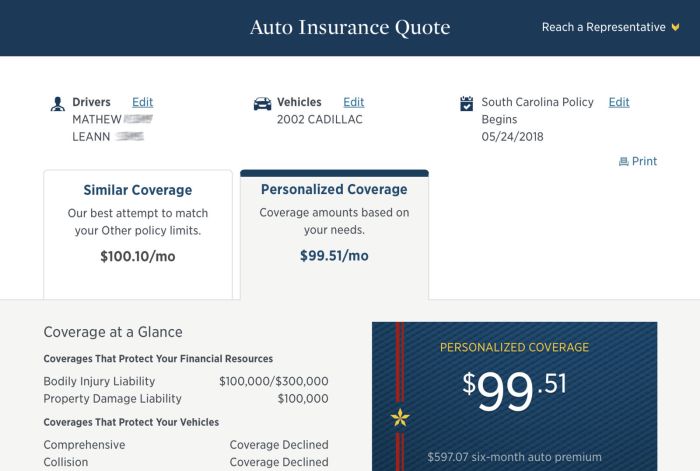
    Read me to get auto policy quotes comparison – Comparing auto insurance quotes is an essential step for drivers who want to find the best coverage at the most affordable price. By comparing quotes from multiple insurance companies, you can identify the policies that meet your specific needs and budget.

    Comparing quotes allows you to see the different coverage options, deductibles, and premiums offered by different insurers. This information empowers you to make informed decisions about your auto insurance policy, ensuring that you have the right coverage at the right price.

    Benefits of Comparing Auto Insurance Quotes, Read me to get auto policy quotes comparison

    • Save money:Comparing quotes can help you find the most affordable policy for your needs, potentially saving you hundreds of dollars per year.
    • Find the best coverage:By comparing quotes, you can identify the policies that offer the coverage you need at a price you can afford.
    • Avoid overpaying:Comparing quotes ensures that you’re not paying more than necessary for your auto insurance coverage.

    Factors to Consider When Comparing Quotes: Read Me To Get Auto Policy Quotes Comparison

    Comparing auto insurance quotes involves evaluating several key factors that impact the overall cost and value of the policy. Understanding these factors empowers drivers to make informed decisions and secure the best coverage at the most competitive rates.

    The following factors are crucial when comparing auto insurance quotes:

    Coverage Options

    The level of coverage you choose significantly influences the cost of your insurance policy. Basic liability coverage meets minimum legal requirements but provides limited protection. Comprehensive and collision coverage offer more comprehensive protection, but they come at a higher premium.

    Deductibles

    The deductible is the amount you pay out of pocket before your insurance coverage kicks in. A higher deductible lowers your premium but increases your financial responsibility in the event of a claim.

    Premiums

    The premium is the amount you pay periodically (monthly, semi-annually, or annually) to maintain your insurance coverage. Premiums vary based on the factors discussed above, as well as your driving history, age, and location.

    Additional Considerations

    • Company reputation and financial stability:Research the insurance companies you’re considering to ensure they are reputable and financially sound.
    • Discounts and incentives:Some insurers offer discounts for things like safe driving, multiple vehicles, and loyalty.
    • Customer service:Consider the quality of customer service provided by the insurance company.

    Methods for Comparing Quotes

    Obtaining multiple auto insurance quotes is essential for securing the best coverage at a competitive price. Several methods are available to gather these quotes, each with its own advantages and considerations.

    Online Quote Comparison Tools

    Online quote comparison tools offer a convenient and efficient way to compare quotes from multiple insurers simultaneously. These tools typically require you to input basic information about yourself, your vehicle, and your driving history. The tool then generates quotes from a panel of participating insurers, allowing you to compare premiums, coverage options, and deductibles side-by-side.

    Working with Insurance Agents

    Insurance agents represent specific insurance companies or work independently with multiple insurers. They can provide personalized advice based on your individual needs and assist you in navigating the insurance market. While agents may have limited access to quotes from certain insurers, they can offer valuable insights and help you understand the different coverage options available.

    Contacting Insurance Companies Directly

    Contacting insurance companies directly allows you to obtain quotes tailored to your specific requirements. You can request quotes online, over the phone, or in person at a local office. This method provides you with the opportunity to interact directly with the insurer and gather detailed information about their coverage and pricing.

    4. Sample Comparison Table

    Comparison

    A well-structured comparison table helps you visualize the key differences between auto insurance quotes and make informed decisions. Here’s an example of a responsive HTML table with up to 4 columns:

    Column Headings

    • Company Name:Name of the insurance company.
    • Coverage Details:Specific coverage limits and deductibles for each quote.
    • Premiums:The monthly or annual cost of the policy.
    • Deductibles:The amount you pay out-of-pocket before the insurance coverage kicks in.

    Additional Considerations

    Read me to get auto policy quotes comparison

    Beyond price, it’s crucial to consider other factors that impact the overall value and experience of an insurance policy.

    Customer Service Ratings

    Customer service is essential for a seamless insurance experience. Consider companies with high ratings for responsiveness, claims handling, and overall customer satisfaction. These ratings provide insights into the company’s commitment to supporting policyholders.

    Financial Stability of Insurance Companies

    The financial stability of an insurance company ensures its ability to meet its obligations to policyholders. Check the financial ratings of insurance companies from reputable agencies like AM Best or Standard & Poor’s. A strong financial rating indicates the company’s ability to pay claims and maintain its financial commitments.

    Additional Discounts or Benefits

    Many insurance companies offer discounts for certain factors, such as safe driving habits, multiple policies, or membership in organizations. Additionally, some companies provide value-added benefits like roadside assistance, rental car coverage, or accident forgiveness. Comparing these additional discounts and benefits can help you maximize savings and enhance your insurance coverage.

    Top FAQs

    What are the benefits of comparing auto insurance quotes?

    Comparing auto insurance quotes allows drivers to find the best coverage for their needs at the most affordable price. It empowers them to make informed decisions and potentially save a significant amount of money on their insurance premiums.

    What factors should I consider when comparing auto insurance quotes?

    When comparing auto insurance quotes, it’s important to consider factors such as coverage options, deductibles, premiums, customer service ratings, financial stability of insurance companies, and additional discounts or benefits.

    What are the different methods for comparing auto insurance quotes?

    There are several methods for comparing auto insurance quotes, including using online quote comparison tools, working with insurance agents, or contacting insurance companies directly.

  • How to Find Auto Insurance Company Quotes: A Comprehensive Guide

    How to Find Auto Insurance Company Quotes: A Comprehensive Guide

    Research and Comparison

    How to find auto insurance company quotes – Before making a decision, it’s crucial to thoroughly research and compare different auto insurance companies. Comparing quotes from multiple providers helps you secure the best coverage at a competitive price.

    Factors to Consider When Evaluating Quotes

    When assessing auto insurance quotes, consider the following factors:

    • -*Coverage Options

      Ensure the policies align with your coverage needs, including liability, collision, and comprehensive coverage.

    • -*Deductibles

      Deductibles represent the amount you pay out-of-pocket before the insurance coverage kicks in. Higher deductibles typically lower premiums, but they also increase your financial responsibility in the event of a claim.

    • -*Discounts

      Explore available discounts, such as safe driver discounts, multi-car discounts, and loyalty discounts. These can significantly reduce your insurance costs.

    Online Quoting Tools

    Liability insurance auto basic

    Online quoting tools offer a convenient way to gather quotes from multiple insurance companies without having to contact each one individually. These tools typically ask you to provide basic information about yourself, your vehicle, and your driving history, and then generate a list of quotes from participating insurance companies.

    Using online quoting tools has several benefits. First, it saves you time and effort. Second, it allows you to compare quotes from multiple companies side-by-side, making it easier to find the best deal. Third, it can help you get a better understanding of the different types of coverage available and the costs associated with each.

    However, there are also some limitations to using online quoting tools. First, not all insurance companies participate in these tools. Second, the quotes you receive may not be accurate, as they are based on the information you provide. Third, online quoting tools may not be able to provide you with all of the information you need to make an informed decision about which insurance company to choose.

    Using Specific Online Quoting Tools

    There are a number of different online quoting tools available. Some of the most popular include:

    • The Zebra
    • Insurance.com
    • NerdWallet
    • Bankrate
    • Progressive

    Each of these tools has its own unique features and benefits. It is important to compare the different tools to find one that meets your needs.

    Once you have chosen an online quoting tool, you will need to provide some basic information about yourself, your vehicle, and your driving history. This information will be used to generate a list of quotes from participating insurance companies.

    Once you have received your quotes, you can compare them side-by-side to find the best deal. It is important to consider the following factors when comparing quotes:

    • The coverage limits
    • The deductible
    • The premium
    • The company’s financial stability
    • The company’s customer service

    Direct Contact with Companies: How To Find Auto Insurance Company Quotes

    Reaching out to insurance companies directly for quotes offers advantages and disadvantages. Let’s delve into the pros and cons.

    Advantages

    • Personalized service:Direct contact allows for tailored conversations, where you can discuss specific needs and get expert advice.
    • Negotiation opportunities:Engaging directly with agents may provide opportunities to negotiate premiums or coverage details.
    • Building relationships:Establishing a connection with an insurance agent can foster long-term support and assistance.

    Disadvantages

    • Time-consuming:Contacting multiple companies can be a lengthy process, requiring phone calls, emails, or in-person visits.
    • Limited options:You may not have access to the widest range of quotes as compared to online tools.
    • Potential bias:Agents may be incentivized to promote their own company’s products, which could limit objectivity.

    Ways to Contact Insurance Companies

    To connect with insurance companies directly, you can use various methods:

    • Phone:Call the customer service number listed on the company’s website or marketing materials.
    • Email:Send an inquiry to the company’s general or sales email address.
    • In-person visits:Visit a local branch or office to speak with an agent face-to-face.

    Preparing for Conversations

    When engaging with insurance agents, preparation is key. Here are some tips:

    • Gather necessary information:Have details about your vehicle, driving history, and coverage needs readily available.
    • Ask specific questions:Prepare a list of questions to clarify coverage options, premiums, and any potential discounts.
    • Be clear and concise:State your needs and expectations clearly to ensure the agent understands your requirements.

    Independent Insurance Agents

    How to find auto insurance company quotes

    Independent insurance agents represent multiple insurance companies, providing consumers with a wide range of auto insurance options. They act as intermediaries between insurance providers and consumers, assisting in finding suitable coverage at competitive rates.

    Advantages of Independent Agents

    • Access to multiple quotes:Independent agents have access to quotes from several insurance companies, allowing consumers to compare options and select the best coverage for their needs and budget.
    • Personalized advice:Agents can provide tailored advice based on individual circumstances, ensuring consumers understand their coverage options and make informed decisions.
    • Local presence:Many independent agents have a local presence, making it convenient for consumers to visit their offices and discuss their insurance needs.

    Disadvantages of Independent Agents

    • Limited product availability:Independent agents may not offer all available insurance products, as they only represent specific companies.
    • Potential for bias:Agents may prioritize certain companies or products due to commissions or incentives, which could influence their recommendations.
    • Fees:Some independent agents may charge fees for their services, which can add to the cost of insurance.

    Directory of Reputable Independent Insurance Agents

    Consumers can find reputable independent insurance agents through the following directories:

    • National Association of Independent Insurance Agents (NAIIA)
    • Independent Insurance Agents & Brokers of America (IIABA)
    • TrustedChoice.com

    Tips and Considerations

    How to find auto insurance company quotes

    Navigating the world of auto insurance quotes can be a daunting task. Here are some valuable tips to help you secure the best possible rates and avoid common pitfalls:

    Thoroughly research and compare different insurance companies. Utilize online quoting tools, direct contact with companies, and independent insurance agents to gather multiple quotes.

    Getting the Best Quotes, How to find auto insurance company quotes

    • Maintain a good driving record:A clean driving history with minimal accidents and traffic violations can significantly lower your premiums.
    • Improve your credit score:Insurance companies often use credit scores as a factor in determining rates. Improving your creditworthiness can lead to lower premiums.
    • Increase your deductible:Opting for a higher deductible can reduce your monthly premiums, but be mindful of your financial ability to cover the higher out-of-pocket costs in case of an accident.
    • Consider discounts:Many insurance companies offer discounts for certain factors such as bundling policies, installing anti-theft devices, or being a safe driver.

    Avoiding Pitfalls

    • Avoid providing false information:Dishonesty on your insurance application can lead to higher premiums or even policy cancellation.
    • Shop around regularly:Insurance rates can fluctuate over time. Comparing quotes from multiple companies periodically can ensure you’re getting the best deal.
    • Read and understand the policy:Before signing up for a policy, carefully review the terms and conditions. Ensure you understand the coverage, exclusions, and limitations.

    Questions and Answers

    How do I get the best auto insurance quotes?

    Compare quotes from multiple insurance companies, consider your coverage needs, and take advantage of discounts and promotions.

    What are the benefits of using online quoting tools?

    Convenience, speed, and the ability to compare quotes from different companies.

    When should I contact an independent insurance agent?

    If you need personalized advice, have complex insurance needs, or want to explore different coverage options.

  • Finding the Best Homeowners Car Insurance: A Comprehensive Guide

    Finding the Best Homeowners Car Insurance: A Comprehensive Guide

    Comparative Analysis of Homeowners Car Insurance Providers

    Finding best homeowners car insurance – Navigating the homeowners car insurance market can be overwhelming, with numerous providers offering a range of coverage options and pricing. To simplify your search, we’ve compiled a comprehensive comparison of leading providers, analyzing their coverage, premiums, deductibles, and customer service ratings.

    Our analysis reveals that several factors contribute to the overall value of a homeowners car insurance policy. These include the level of coverage provided, the premium charged, the deductible amount, and the quality of customer service. By comparing these aspects across multiple providers, you can make an informed decision that meets your specific needs and budget.

    Coverage Options

    Homeowners car insurance policies typically offer a variety of coverage options, including liability, collision, comprehensive, and uninsured/underinsured motorist protection. Liability coverage protects you from financial responsibility if you cause an accident, while collision and comprehensive coverage protect your vehicle from damage or loss.

    Uninsured/underinsured motorist protection provides coverage if you’re involved in an accident with a driver who doesn’t have insurance or has insufficient coverage.

    Provider Liability Coverage Collision Coverage Comprehensive Coverage Uninsured/Underinsured Motorist Protection
    Provider A $100,000/$300,000/$50,000 Actual Cash Value Actual Cash Value $100,000/$300,000
    Provider B $250,000/$500,000/$100,000 Replacement Cost Replacement Cost $250,000/$500,000
    Provider C $500,000/$1,000,000/$250,000 Stated Amount Stated Amount $500,000/$1,000,000
    Provider D $1,000,000/$2,000,000/$500,000 Agreed Value Agreed Value $1,000,000/$2,000,000

    Premiums

    Premiums are the monthly or annual payments you make for your homeowners car insurance policy. The amount of your premium is determined by several factors, including your driving record, the type of vehicle you drive, the amount of coverage you choose, and your deductible.

    Generally, higher coverage limits and lower deductibles result in higher premiums.

    Deductibles, Finding best homeowners car insurance

    A deductible is the amount you pay out of pocket before your insurance coverage kicks in. Higher deductibles typically lower your premiums, but they also mean you’ll have to pay more if you file a claim. It’s important to choose a deductible that you can comfortably afford to pay.

    Customer Service Ratings

    Customer service is an important factor to consider when choosing a homeowners car insurance provider. You want to be sure that you can get help when you need it, whether you’re filing a claim or simply have a question about your policy.

    Look for providers with high customer satisfaction ratings and positive reviews.

    Factors to Consider When Choosing Homeowners Car Insurance

    When selecting homeowners car insurance, several key factors come into play. These include coverage types, policy limits, deductibles, and available discounts. Understanding these factors and their implications will help you make an informed decision and secure the most suitable coverage for your needs.

    Coverage Types

    Homeowners car insurance typically offers a range of coverage options, including:

    • Liability coverage: Covers damages or injuries caused to others due to your negligence while driving.
    • Collision coverage: Protects your vehicle from damages sustained in an accident with another vehicle or object.
    • Comprehensive coverage: Covers non-collision-related damages, such as theft, vandalism, or natural disasters.

    The coverage types you choose will depend on your individual circumstances and risk tolerance.

    Policy Limits

    Policy limits refer to the maximum amount your insurance company will pay for covered losses. It’s crucial to choose limits that are sufficient to cover potential expenses. Liability limits are typically expressed in terms of per-person and per-accident amounts. For example, a policy with limits of 100/300 means it will cover up to $100,000 per person injured in an accident and up to $300,000 for all injuries resulting from the same accident.

    Deductibles, Finding best homeowners car insurance

    A deductible is the amount you pay out-of-pocket before your insurance coverage kicks in. Higher deductibles typically result in lower premiums, while lower deductibles come with higher premiums. When selecting a deductible, consider your financial situation and risk tolerance.

    Discounts

    Many insurance companies offer discounts for certain factors, such as:

    • Multi-policy discounts: Discounts for bundling homeowners and car insurance with the same provider.
    • Good driver discounts: Discounts for maintaining a clean driving record.
    • Safety feature discounts: Discounts for vehicles equipped with anti-theft devices or other safety features.

    These discounts can help you save money on your premiums.

    Tips for Finding Affordable Homeowners Car Insurance

    Finding best homeowners car insurance

    Finding affordable homeowners car insurance can be a challenge, but it’s possible with the right strategies. Here are some tips to help you save money on your premiums:

    Negotiate with your insurance company. If you’re a loyal customer, you may be able to get a discount on your premiums. You can also try negotiating a lower deductible or a payment plan that works for you.

    Compare Quotes

    Get quotes from multiple insurance companies before you buy a policy. This will help you find the best rate for your needs. When comparing quotes, be sure to compare the coverage limits, deductibles, and premiums.

    Take Advantage of Discounts

    Many insurance companies offer discounts for things like bundling your home and auto insurance, having a good driving record, or taking a defensive driving course. Be sure to ask your insurance company about any discounts you may be eligible for.

    • Bundle your home and auto insurance with the same company.
    • Maintain a good driving record.
    • Take a defensive driving course.
    • Install anti-theft devices on your car.
    • Drive less than the average number of miles per year.
    • Park your car in a garage.
    • Raise your deductible.
    • Shop around for the best rates.

    Coverage Options for Homeowners Car Insurance

    Finding best homeowners car insurance

    Homeowners car insurance offers a range of coverage options to protect your vehicle and finances in various scenarios. Understanding the different types of coverage and their benefits is crucial to selecting the best policy for your needs.

    Comprehensive Coverage

    Comprehensive coverage provides protection against non-collision-related incidents, such as theft, vandalism, natural disasters (e.g., hail, flooding), and animal collisions. It covers the cost of repairs or replacement of your vehicle up to the policy limit.

    Collision Coverage

    Collision coverage protects your vehicle in case of a collision with another object, regardless of fault. It covers the cost of repairs or replacement up to the policy limit.

    Liability Coverage

    Liability coverage is mandatory in most states and protects you from financial responsibility if you cause injury or damage to others or their property in a car accident. It includes:

    • Bodily Injury Liability:Covers medical expenses and lost wages for individuals injured in an accident caused by you.
    • Property Damage Liability:Covers damage to other vehicles or property resulting from an accident caused by you.

    Other Optional Coverage Options

    In addition to the essential coverage options, homeowners car insurance policies may offer additional coverage, such as:

    • Uninsured/Underinsured Motorist Coverage:Protects you in case of an accident with a driver who is uninsured or underinsured.
    • Medical Payments Coverage:Covers medical expenses for you and your passengers, regardless of fault.
    • Rental Reimbursement Coverage:Reimburses you for rental car expenses while your vehicle is being repaired or replaced.
    Coverage Type Protection Provided Benefits Limitations
    Comprehensive Non-collision-related incidents (e.g., theft, vandalism, natural disasters) Protects against a wide range of events Higher premiums than other coverage options
    Collision Collisions with other objects Covers repairs or replacement of your vehicle Does not cover non-collision-related incidents
    Liability Injury or damage caused to others Mandatory in most states Does not cover your own injuries or vehicle damage

    Understanding Deductibles and Premiums in Homeowners Car Insurance

    Surfky homeowners

    Deductibles and premiums are two important factors to consider when choosing homeowners car insurance. A deductible is the amount you pay out of pocket before your insurance coverage kicks in. Premiums are the regular payments you make to your insurance company to maintain your coverage.

    There is an inverse relationship between deductibles and premiums. Choosing a higher deductible will lower your premiums, and vice versa. This is because the insurance company takes on less risk when you have a higher deductible, so they can charge you less for coverage.

    Example

    For example, if you have a $500 deductible, you will pay more in premiums than if you have a $1,000 deductible. However, if you file a claim, you will only have to pay the first $500 out of pocket with a $500 deductible, while you would have to pay the first $1,000 out of pocket with a $1,000 deductible.

    Essential Questionnaire: Finding Best Homeowners Car Insurance

    What factors should I consider when choosing homeowners car insurance?

    Coverage types, policy limits, deductibles, discounts, and your individual driving history.

    How can I find affordable homeowners car insurance?

    Negotiate premiums, compare quotes, take advantage of discounts, and maintain a good driving record.

    What are the different coverage options available for homeowners car insurance?

    Comprehensive, collision, liability, uninsured/underinsured motorist, and personal injury protection.

  • 10 Ways to Find and Purchase Car Insurance: A Comprehensive Guide

    10 Ways to Find and Purchase Car Insurance: A Comprehensive Guide

    Explore different insurance companies and their offerings: 10 Ways To Find Purchasing Car Insurance

    10 ways to find purchasing car insurance – When searching for the most suitable car insurance, exploring various insurance providers and their offerings is crucial. Different companies cater to diverse needs and budgets, offering unique features and benefits. Understanding the strengths and weaknesses of each company can help you make an informed decision.

    Top insurance providers include:

    • Geico: Known for its competitive rates and user-friendly interface.
    • Progressive: Offers customizable coverage options and discounts for safe driving.
    • State Farm: A well-established company with a wide range of products and services.
    • Allstate: Provides comprehensive coverage options and personalized insurance plans.
    • USAA: Exclusively serves military members, veterans, and their families.

    Factors to consider

    When comparing insurance companies, consider the following factors:

    • Financial stability: Ensure the company has a strong financial track record and can fulfill its obligations.
    • Coverage options: Evaluate the range of coverage options offered, including liability, collision, and comprehensive coverage.
    • Deductibles: Determine the amount you are willing to pay out-of-pocket before insurance coverage kicks in.
    • Discounts: Explore available discounts, such as multi-car, good driving, and loyalty discounts.
    • Customer service: Consider the company’s reputation for responsiveness and support.

    Research online insurance marketplaces and comparison tools

    10 ways to find purchasing car insurance

    Navigating the complex world of car insurance can be overwhelming. Online insurance marketplaces and comparison tools offer a convenient and efficient way to streamline the process. These platforms aggregate policies from multiple insurers, allowing you to compare coverage, premiums, and other details side-by-side.

    Advantages of using comparison tools:

    • Convenience:Easily compare policies from various insurers without visiting their websites individually.
    • Time-saving:Get quotes and compare options quickly and efficiently, saving you time and effort.
    • Impartiality:Comparison tools are not affiliated with any particular insurer, providing unbiased results.

    Disadvantages of using comparison tools:

    • Limited options:Some comparison tools may not include all available insurers, potentially limiting your options.
    • Inaccuracy:Occasionally, comparison tools may display outdated or incorrect information, leading to inaccurate quotes.
    • Lack of personalized recommendations:Comparison tools do not consider individual factors that may affect your premiums, such as driving history or vehicle type.

    Navigating online insurance marketplaces

    To effectively use online insurance marketplaces and comparison tools, follow these steps:

    • Gather information:Before starting your search, collect details about your vehicle, driving history, and coverage needs.
    • Use multiple platforms:Utilize several comparison tools to ensure you’re getting the most comprehensive results.
    • Compare carefully:Pay attention to coverage details, deductibles, and premiums to make informed decisions.
    • Read reviews:Check online reviews of insurance companies and comparison tools to gain insights from other users.
    • Contact insurers directly:Once you’ve identified potential options, contact the insurers directly to clarify details or negotiate premiums.

    Consult with independent insurance agents or brokers

    Insurance purchasing renewing policyx

    Independent insurance agents and brokers act as intermediaries between insurance companies and policyholders. They are not tied to any particular insurance company, so they can offer unbiased advice and help you find the best coverage for your needs.Working with an experienced insurance agent or broker can provide several benefits.

    They can:

    • Help you compare quotes from multiple insurance companies.
    • Explain the different types of coverage available and help you choose the right policy for your needs.
    • Negotiate with insurance companies on your behalf to get you the best possible rates.
    • Provide ongoing support and assistance with your insurance needs.

    Finding and selecting a reputable agent or broker

    When looking for an independent insurance agent or broker, it is important to do your research. Ask for recommendations from friends, family, or other professionals. You can also check online reviews or contact your state insurance department for a list of licensed agents and brokers.Once

    you have a few candidates, interview them to find the best fit for your needs. Ask them about their experience, the companies they represent, and the services they offer. Be sure to choose an agent or broker who is knowledgeable, professional, and responsive to your needs.

    Utilize insurance comparison websites

    10 ways to find purchasing car insurance

    Insurance comparison websites can be a valuable tool for finding the best car insurance rates. These websites allow you to compare quotes from multiple insurance companies side-by-side, so you can easily see which company offers the best coverage at the lowest price.

    To get started, simply enter your zip code and some basic information about your car and driving history. The website will then generate a list of quotes from different insurance companies. You can then compare the quotes and choose the one that’s right for you.

    Tips for using insurance comparison websites, 10 ways to find purchasing car insurance

    • Be sure to compare apples to apples. Make sure you’re comparing quotes for the same coverage limits and deductibles.
    • Don’t just go with the cheapest quote. Be sure to read the policy details carefully to make sure you’re getting the coverage you need.
    • Consider your driving history and credit score. These factors can have a big impact on your insurance rates.
    • Shop around. Don’t just get a quote from one insurance company. Compare quotes from several different companies to get the best deal.

    5. Leverage social media and online forums

    Harness the power of social media and online forums to delve into the world of car insurance and gain valuable insights from fellow consumers.

    Connect with others in online groups dedicated to insurance discussions. Share your experiences, ask questions, and engage with others to gather a comprehensive understanding of different insurance providers and their offerings.

    Participate in relevant discussions

    • Join Facebook groups or LinkedIn communities focused on car insurance.
    • Follow insurance experts on Twitter and engage with their content.
    • Visit Reddit subreddits dedicated to insurance and participate in discussions.

    By actively participating in these online forums, you can access a wealth of information, compare experiences, and gain valuable perspectives from others who have navigated the insurance landscape.

    Clarifying Questions

    What are the key factors to consider when comparing insurance companies?

    When comparing insurance companies, it’s important to consider factors such as coverage options, premiums, deductibles, financial stability, and customer service.

    How can I find the best deals on car insurance?

    To find the best deals on car insurance, utilize insurance comparison websites, consult with independent agents or brokers, and explore online insurance marketplaces.

    What are the benefits of using social media for insurance research?

    Using social media for insurance research allows you to connect with others, gather valuable information, and stay updated on the latest industry trends.

  • Affordable Business Insurance: Protect Your Enterprise with Cost-Effective Coverage

    Affordable Business Insurance: Protect Your Enterprise with Cost-Effective Coverage

    In today’s competitive business landscape, safeguarding your enterprise with cheap business insurance is not just a wise move—it’s a necessity. By understanding the coverage options available, implementing cost-saving strategies, and comparing providers, you can secure the protection your business needs without breaking the bank.

    Tailoring your coverage to your unique business requirements is crucial. From general liability to property damage and business interruption insurance, the right policies can provide a safety net against unexpected events that could threaten your financial stability.

    Coverage Options

    Small businesses face a unique set of risks that require tailored insurance coverage to mitigate potential financial losses. From property damage to liability claims, a comprehensive insurance policy can provide a safety net and ensure business continuity in the face of unexpected events.

    The types of insurance coverage available for small businesses vary depending on the industry, size, and specific needs of the business. Some common types of insurance policies include:

    • General Liability Insurance:Protects businesses from claims of bodily injury, property damage, or personal injury caused by their products, services, or operations.
    • Commercial Property Insurance:Covers physical assets such as buildings, equipment, inventory, and furniture against damage or loss due to fire, theft, or natural disasters.
    • Business Interruption Insurance:Provides coverage for lost income and expenses incurred if a business is forced to suspend operations due to a covered event.
    • Errors and Omissions Insurance (E&O):Protects professionals, such as lawyers, accountants, and consultants, from claims of negligence or errors in their work.
    • Cyber Liability Insurance:Covers businesses against financial losses and legal liabilities arising from data breaches, cyberattacks, or other technology-related incidents.

    It’s crucial for small businesses to carefully assess their risks and tailor their insurance coverage accordingly. An experienced insurance agent can help businesses navigate the complex world of insurance options and select the policies that best meet their specific needs.

    Cost-Saving Strategies

    Reducing insurance premiums while maintaining adequate coverage is crucial for businesses seeking financial prudence. This section delves into effective cost-saving strategies, providing practical tips and case studies to help businesses optimize their insurance expenses.

    Negotiating with insurance companies is an art form that requires preparation and a thorough understanding of the market. By leveraging their knowledge of comparable policies and industry benchmarks, businesses can negotiate favorable terms that align with their specific needs and risk profile.

    Negotiation Strategies

    • Research and Compare:Gather quotes from multiple insurance providers to establish a baseline for negotiations. This allows businesses to identify the most competitive offers and leverage them during discussions.
    • Understand Your Coverage:Have a clear understanding of the coverage you need and the risks you want to mitigate. This knowledge empowers businesses to negotiate specific terms and avoid unnecessary coverage.
    • Leverage Industry Data:Utilize industry reports and statistics to support your negotiation points. Demonstrating an understanding of the market landscape strengthens your position and encourages insurance companies to offer more favorable terms.

    Case studies provide valuable insights into how businesses have successfully reduced their insurance costs. By examining real-world examples, businesses can glean practical strategies and learn from the experiences of others.

    Case Study: Manufacturing Company Reduces Insurance Costs by 20%, Cheap business insurance

    A manufacturing company implemented a comprehensive safety program that included employee training, equipment upgrades, and improved risk management practices. As a result, the company’s claims history improved significantly, leading to a 20% reduction in insurance premiums.

    Comparison of Providers

    Cheap business insurance

    When comparing business insurance providers, it’s crucial to evaluate their offerings, costs, and customer service to make an informed decision. Here’s a detailed comparison of some reputable providers to assist you in your research:

    Insurance Provider Comparison
    Provider Features Cost Customer Service Claims Processing Financial Stability
    Provider A Comprehensive coverage optionsCompetitive ratesOnline policy management Varies based on coverage and risk Excellent customer ratings

    /7 support

    Efficient and timely Strong financial backing
    Provider B Tailored coverage for specific industriesFlexible payment options Dedicated account manager Generally higher premiums Responsive and knowledgeableExtended business hours Thorough but may take longer
    Provider C Wide range of discounts and incentivesEasy online quoting Simplified claims process Competitive for small businesses Mixed customer reviewsLimited support availability Quick and convenient
    Provider D Specialty insurance for high-risk businessesCustomizable coverage options In-house claims handling Higher premiums for specialized coverage Excellent customer satisfactionPersonalized service Efficient and reliable
    Provider E Affordable premiums for startups and low-risk businessesBundling options for multiple policies Online risk management tools Limited coverage optionsBasic customer service Simple and straightforward

    Pros and Cons of Each Provider

    Provider A:Pros

    • Comprehensive coverage, competitive rates, excellent customer service. Cons
    • May not be the most affordable option.

    Provider B:Pros

    • Tailored coverage, flexible payment options, dedicated account manager. Cons
    • Higher premiums, less responsive customer service.

    Provider C:Pros

    • Discounts and incentives, easy online quoting, simplified claims process. Cons
    • Mixed customer reviews, limited support availability.

    Provider D:Pros

    • Specialty coverage, customizable options, in-house claims handling. Cons
    • Higher premiums for specialized coverage.

    Provider E:Pros

    • Affordable premiums, bundling options, online risk management tools. Cons
    • Limited coverage options, basic customer service.

    Industry-Specific Considerations: Cheap Business Insurance

    Insurance bechdel slideshares

    Different industries face unique risks and liabilities, which necessitate specialized insurance coverage. Understanding these industry-specific needs is crucial for businesses to adequately protect themselves from potential losses.

    Insurance companies offer tailored policies designed to address the specific risks associated with various industries. For instance, construction companies may require coverage for property damage, liability, and workers’ compensation, while healthcare providers need policies that cover medical malpractice and patient safety.

    Importance of Working with an Experienced Agent

    Working with an insurance agent who has a deep understanding of the specific risks faced by a business is essential. These agents can provide valuable guidance in selecting the most appropriate policies and ensuring that the coverage limits are adequate.

    They can also assist in negotiating favorable premiums and navigating the complexities of insurance contracts.

    Online Resources

    Online resources provide a convenient and efficient way to compare insurance quotes and find the best coverage at the lowest cost. Here’s a list of reputable websites and tools to help you:

    • Insureon:Provides instant quotes from multiple insurance companies.
    • The Zebra:Allows you to compare quotes side-by-side and offers personalized recommendations.
    • NerdWallet:Offers unbiased reviews and comparisons of insurance providers.
    • Policygenius:Guides you through the insurance selection process and provides expert advice.
    • CoverWallet:Specializes in online insurance for small businesses.

    To use these resources effectively, follow these steps:

    1. Gather your information:Have your business details, financial statements, and any relevant insurance history ready.
    2. Input your data:Enter the required information into the online tools to receive quotes.
    3. Compare quotes:Review the coverage options, premiums, and deductibles offered by different providers.
    4. Consider your needs:Choose the policy that best meets your business’s specific coverage requirements and budget.
    5. Read the fine print:Before purchasing, carefully review the policy terms and conditions to ensure you understand the coverage and exclusions.

    Tips to Avoid Scams

    When using online resources, it’s important to avoid scams. Here are some tips to protect yourself:

    • Check the provider’s legitimacy:Verify the company’s license and accreditation through reputable organizations like the Better Business Bureau (BBB) or state insurance departments.
    • Be wary of unsolicited offers:Avoid clicking on links or providing personal information in response to unsolicited emails or phone calls.
    • Use secure websites:Look for the “https” prefix in the website’s URL, indicating a secure connection.
    • Read reviews:Check online reviews and testimonials from other customers to gauge the provider’s reputation.
    • Don’t rush:Take your time to research and compare multiple quotes before making a decision.

    Ending Remarks

    Cheap business insurance

    Remember, cheap business insurance is not about cutting corners—it’s about finding the optimal balance between coverage and cost. By leveraging the tips and resources Artikeld in this guide, you can empower your business with affordable protection that ensures its long-term success.

    Essential Questionnaire

    What are the key factors to consider when choosing cheap business insurance?

    Coverage options, cost-effectiveness, and provider reputation are all crucial factors to evaluate.

    How can I reduce my business insurance premiums without compromising coverage?

    Implementing risk management measures, negotiating with insurers, and comparing quotes from multiple providers can help lower costs.

    What are some industry-specific insurance considerations for small businesses?

    Unique risks associated with different industries necessitate specialized policies tailored to their specific needs.