Tag: insurance coverage

  • How to Find Auto Insurance Company Quotes: A Comprehensive Guide

    How to Find Auto Insurance Company Quotes: A Comprehensive Guide

    Research and Comparison

    How to find auto insurance company quotes – Before making a decision, it’s crucial to thoroughly research and compare different auto insurance companies. Comparing quotes from multiple providers helps you secure the best coverage at a competitive price.

    Factors to Consider When Evaluating Quotes

    When assessing auto insurance quotes, consider the following factors:

    • -*Coverage Options

      Ensure the policies align with your coverage needs, including liability, collision, and comprehensive coverage.

    • -*Deductibles

      Deductibles represent the amount you pay out-of-pocket before the insurance coverage kicks in. Higher deductibles typically lower premiums, but they also increase your financial responsibility in the event of a claim.

    • -*Discounts

      Explore available discounts, such as safe driver discounts, multi-car discounts, and loyalty discounts. These can significantly reduce your insurance costs.

    Online Quoting Tools

    Liability insurance auto basic

    Online quoting tools offer a convenient way to gather quotes from multiple insurance companies without having to contact each one individually. These tools typically ask you to provide basic information about yourself, your vehicle, and your driving history, and then generate a list of quotes from participating insurance companies.

    Using online quoting tools has several benefits. First, it saves you time and effort. Second, it allows you to compare quotes from multiple companies side-by-side, making it easier to find the best deal. Third, it can help you get a better understanding of the different types of coverage available and the costs associated with each.

    However, there are also some limitations to using online quoting tools. First, not all insurance companies participate in these tools. Second, the quotes you receive may not be accurate, as they are based on the information you provide. Third, online quoting tools may not be able to provide you with all of the information you need to make an informed decision about which insurance company to choose.

    Using Specific Online Quoting Tools

    There are a number of different online quoting tools available. Some of the most popular include:

    • The Zebra
    • Insurance.com
    • NerdWallet
    • Bankrate
    • Progressive

    Each of these tools has its own unique features and benefits. It is important to compare the different tools to find one that meets your needs.

    Once you have chosen an online quoting tool, you will need to provide some basic information about yourself, your vehicle, and your driving history. This information will be used to generate a list of quotes from participating insurance companies.

    Once you have received your quotes, you can compare them side-by-side to find the best deal. It is important to consider the following factors when comparing quotes:

    • The coverage limits
    • The deductible
    • The premium
    • The company’s financial stability
    • The company’s customer service

    Direct Contact with Companies: How To Find Auto Insurance Company Quotes

    Reaching out to insurance companies directly for quotes offers advantages and disadvantages. Let’s delve into the pros and cons.

    Advantages

    • Personalized service:Direct contact allows for tailored conversations, where you can discuss specific needs and get expert advice.
    • Negotiation opportunities:Engaging directly with agents may provide opportunities to negotiate premiums or coverage details.
    • Building relationships:Establishing a connection with an insurance agent can foster long-term support and assistance.

    Disadvantages

    • Time-consuming:Contacting multiple companies can be a lengthy process, requiring phone calls, emails, or in-person visits.
    • Limited options:You may not have access to the widest range of quotes as compared to online tools.
    • Potential bias:Agents may be incentivized to promote their own company’s products, which could limit objectivity.

    Ways to Contact Insurance Companies

    To connect with insurance companies directly, you can use various methods:

    • Phone:Call the customer service number listed on the company’s website or marketing materials.
    • Email:Send an inquiry to the company’s general or sales email address.
    • In-person visits:Visit a local branch or office to speak with an agent face-to-face.

    Preparing for Conversations

    When engaging with insurance agents, preparation is key. Here are some tips:

    • Gather necessary information:Have details about your vehicle, driving history, and coverage needs readily available.
    • Ask specific questions:Prepare a list of questions to clarify coverage options, premiums, and any potential discounts.
    • Be clear and concise:State your needs and expectations clearly to ensure the agent understands your requirements.

    Independent Insurance Agents
    How to find auto insurance company quotes

    Independent insurance agents represent multiple insurance companies, providing consumers with a wide range of auto insurance options. They act as intermediaries between insurance providers and consumers, assisting in finding suitable coverage at competitive rates.

    Advantages of Independent Agents

    • Access to multiple quotes:Independent agents have access to quotes from several insurance companies, allowing consumers to compare options and select the best coverage for their needs and budget.
    • Personalized advice:Agents can provide tailored advice based on individual circumstances, ensuring consumers understand their coverage options and make informed decisions.
    • Local presence:Many independent agents have a local presence, making it convenient for consumers to visit their offices and discuss their insurance needs.

    Disadvantages of Independent Agents

    • Limited product availability:Independent agents may not offer all available insurance products, as they only represent specific companies.
    • Potential for bias:Agents may prioritize certain companies or products due to commissions or incentives, which could influence their recommendations.
    • Fees:Some independent agents may charge fees for their services, which can add to the cost of insurance.

    Directory of Reputable Independent Insurance Agents

    Consumers can find reputable independent insurance agents through the following directories:

    • National Association of Independent Insurance Agents (NAIIA)
    • Independent Insurance Agents & Brokers of America (IIABA)
    • TrustedChoice.com

    Tips and Considerations
    How to find auto insurance company quotes

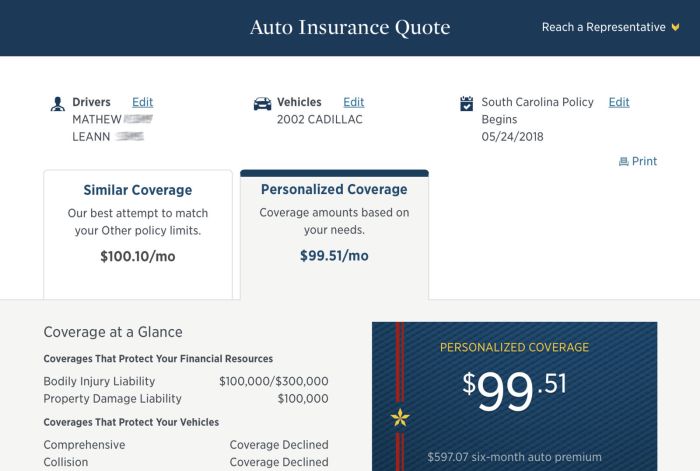
    Navigating the world of auto insurance quotes can be a daunting task. Here are some valuable tips to help you secure the best possible rates and avoid common pitfalls:

    Thoroughly research and compare different insurance companies. Utilize online quoting tools, direct contact with companies, and independent insurance agents to gather multiple quotes.

    Getting the Best Quotes, How to find auto insurance company quotes

    • Maintain a good driving record:A clean driving history with minimal accidents and traffic violations can significantly lower your premiums.
    • Improve your credit score:Insurance companies often use credit scores as a factor in determining rates. Improving your creditworthiness can lead to lower premiums.
    • Increase your deductible:Opting for a higher deductible can reduce your monthly premiums, but be mindful of your financial ability to cover the higher out-of-pocket costs in case of an accident.
    • Consider discounts:Many insurance companies offer discounts for certain factors such as bundling policies, installing anti-theft devices, or being a safe driver.

    Avoiding Pitfalls

    • Avoid providing false information:Dishonesty on your insurance application can lead to higher premiums or even policy cancellation.
    • Shop around regularly:Insurance rates can fluctuate over time. Comparing quotes from multiple companies periodically can ensure you’re getting the best deal.
    • Read and understand the policy:Before signing up for a policy, carefully review the terms and conditions. Ensure you understand the coverage, exclusions, and limitations.

    Questions and Answers

    How do I get the best auto insurance quotes?

    Compare quotes from multiple insurance companies, consider your coverage needs, and take advantage of discounts and promotions.

    What are the benefits of using online quoting tools?

    Convenience, speed, and the ability to compare quotes from different companies.

    When should I contact an independent insurance agent?

    If you need personalized advice, have complex insurance needs, or want to explore different coverage options.

  • How to Choose the Best Online Car Insurance: A Comprehensive Guide

    How to Choose the Best Online Car Insurance: A Comprehensive Guide

    Determine Your Coverage Needs

    Demotix drivers

    How to choose best online car insurance – Selecting the appropriate car insurance coverage is crucial to ensure you have the necessary protection in the event of an accident or other covered event. Understanding the different types of coverage available and their benefits will empower you to make an informed decision.

    Car insurance policies typically include various coverage options, each designed to address specific risks and financial liabilities. It’s essential to assess your individual needs and determine the coverage limits that best align with your circumstances.

    Types of Coverage

    • Liability Coverage:Protects you against legal liability for injuries or property damage caused to others in an accident you are responsible for.
    • Collision Coverage:Covers damage to your vehicle resulting from a collision with another vehicle or object.
    • Comprehensive Coverage:Provides protection against non-collision-related damages, such as theft, vandalism, and weather-related incidents.
    • Uninsured/Underinsured Motorist Coverage:Compensates you for injuries or property damage caused by an uninsured or underinsured driver.
    • Medical Payments Coverage:Covers medical expenses for you and your passengers, regardless of fault.

    Factors to Consider When Determining Coverage Limits

    Determining appropriate coverage limits is essential to ensure adequate protection without overpaying for unnecessary coverage. Consider the following factors:

    • Vehicle Value:The value of your vehicle will influence the amount of collision and comprehensive coverage you need.
    • Driving Habits:If you drive frequently or in high-risk areas, higher liability limits may be advisable.
    • Financial Situation:Determine how much you can afford to pay out-of-pocket in the event of an accident.
    • State Laws:Some states have minimum liability coverage requirements.

    Compare Quotes from Multiple Insurers

    Comparing quotes from multiple insurers is crucial to ensure you’re getting the best coverage at the most affordable price. Different insurers offer varying rates and terms, so it’s essential to shop around and compare before making a decision.

    Reputable Car Insurance Companies

    Consider quotes from reputable and established insurance companies such as:

    • Geico
    • State Farm
    • Progressive
    • Allstate
    • Farmers Insurance

    Factors to Consider When Comparing Quotes

    When comparing quotes, consider the following factors:

    1. Coverage:Ensure that the quotes provide the level of coverage you need, including liability, collision, and comprehensive coverage.
    2. Premiums:Compare the monthly or annual premiums charged by each insurer. Remember that the lowest premium may not always be the best option.
    3. Deductibles:A deductible is the amount you pay out-of-pocket before insurance coverage kicks in. Higher deductibles generally result in lower premiums.

    Read Customer Reviews and Ratings

    When selecting an online car insurance provider, customer reviews and ratings are a valuable resource. They offer insights into the experiences of actual customers, providing valuable information to guide your decision-making process.

    Here are some online resources where you can find customer reviews and ratings for car insurance companies:

    • J.D. Power
    • Consumer Reports
    • Insurance.com
    • Google My Business
    • Yelp

    When evaluating reviews and ratings, consider the following factors:

    1. Number of Reviews:The more reviews a company has, the more reliable the overall rating tends to be.
    2. Average Rating:The average rating gives a general overview of the customer satisfaction level.
    3. Content of Reviews:Read the actual reviews to gain insights into specific aspects of the company’s service, such as claims handling, customer support, and policy coverage.

    Consider Additional Features and Benefits

    How to choose best online car insurance

    When choosing car insurance, it’s essential to consider the additional features and benefits that some companies offer. These can enhance your coverage and provide peace of mind.

    Common Additional Features and Benefits, How to choose best online car insurance

    Feature Description
    Roadside Assistance Provides assistance in case of breakdowns, flat tires, or dead batteries.
    Accident Forgiveness Prevents an accident from affecting your insurance premiums.
    Rental Car Coverage Covers the cost of a rental car if your vehicle is damaged or stolen.
    Gap Coverage Covers the difference between the actual cash value of your car and the amount you owe on the loan.
    Pet Coverage Provides coverage for medical expenses if your pet is injured in a car accident.

    The value of these features and benefits depends on your individual needs and circumstances. For example, if you frequently drive long distances or in remote areas, roadside assistance can be invaluable. If you have a new or expensive car, gap coverage can protect you from financial loss in the event of an accident.

    Choose an Insurance Company That Meets Your Needs: How To Choose Best Online Car Insurance

    How to choose best online car insurance

    Choosing the right insurance company is crucial for getting the coverage you need at a price you can afford. Consider the following factors when making your decision:

    • Financial Stability:Ensure the company has a strong financial rating from agencies like AM Best, Moody’s, or Standard & Poor’s.
    • Customer Service:Look for companies with a reputation for responsive and helpful customer service.
    • Claims Handling:Research how efficiently and fairly the company handles claims.
    • Coverage Options:Make sure the company offers the coverage options you need, such as liability, collision, and comprehensive.
    • Discounts:Inquire about any discounts the company offers, such as safe driver discounts or multi-car discounts.

    To choose an insurance company, follow these steps:

    1. Research Different Companies:Use online resources and read reviews to compare different companies.
    2. Compare Quotes:Get quotes from multiple insurers to compare coverage and premiums.
    3. Read Reviews:Check online reviews from customers to get an idea of their experiences with different companies.

    Essential FAQs

    What are the different types of car insurance coverage available?

    There are various types of car insurance coverage available, including liability coverage, collision coverage, comprehensive coverage, uninsured/underinsured motorist coverage, and personal injury protection (PIP).

    How do I compare quotes from multiple insurers?

    You can compare quotes from multiple insurers by using online comparison tools or contacting each insurance company directly. Be sure to compare coverage options, premiums, and deductibles to find the best deal.

    Why is it important to read customer reviews and ratings?

    Reading customer reviews and ratings can provide valuable insights into the quality of service and claims handling of different insurance companies. This information can help you make an informed decision about which insurer to choose.

  • Master the Art of Choosing Auto and Homeowners Insurance: A Comprehensive Guide

    Master the Art of Choosing Auto and Homeowners Insurance: A Comprehensive Guide

    Factors to Consider When Choosing Auto Insurance: 15 Ways To Choose Auto And Homeowners Insurance

    Insurance auto car right choose coverage ways trash easy premium save

    15 ways to choose auto and homeowners insurance – When choosing auto insurance, there are several factors to consider to ensure you have the right coverage for your needs. These factors include your driving history and safety record, the make, model, and age of your vehicle, and the coverage limits and deductibles you choose.

    Driving History and Safety Record

    Your driving history and safety record are key factors in determining your auto insurance premiums. A clean driving record with no accidents or traffic violations will generally result in lower premiums, while a history of accidents or violations can lead to higher premiums.

    Insurance companies use this information to assess your risk as a driver and determine the likelihood of you filing a claim.

    Vehicle Make, Model, and Age

    The make, model, and age of your vehicle can also impact your auto insurance premiums. Certain types of vehicles, such as sports cars or luxury vehicles, are more likely to be involved in accidents and are therefore more expensive to insure.

    Similarly, older vehicles may be more expensive to insure due to the higher likelihood of mechanical problems.

    Coverage Limits and Deductibles

    Coverage limits and deductibles are two important factors to consider when choosing auto insurance. Coverage limits determine the maximum amount your insurance company will pay for damages or injuries in the event of an accident. Deductibles are the amount you pay out of pocket before your insurance coverage kicks in.

    Higher coverage limits and lower deductibles will generally result in higher premiums, while lower coverage limits and higher deductibles will result in lower premiums.

    Types of Homeowners Insurance Coverage

    15 ways to choose auto and homeowners insurance

    Homeowners insurance protects your home and its contents from various risks. Understanding the different types of coverage available is crucial to ensure adequate protection.

    Dwelling Coverage

    Dwelling coverage protects the physical structure of your home, including its attached structures like garages and patios. It covers damages caused by events such as fires, storms, and vandalism.

    Personal Property Coverage, 15 ways to choose auto and homeowners insurance

    Personal property coverage protects your belongings inside your home, such as furniture, electronics, and clothing. It covers damages or losses due to theft, fire, or other covered perils.

    Liability Coverage

    Liability coverage protects you from financial responsibility if someone is injured or their property is damaged on your property. It covers legal expenses and damages awarded to the injured party.

    Replacement Cost vs. Actual Cash Value

    Replacement cost coverage pays for the cost of replacing damaged or destroyed property with new items of similar quality. Actual cash value coverage pays the current market value of the property, which is typically less than replacement cost.

    Riders and Endorsements

    Riders and endorsements are additional coverages that can be added to your homeowners insurance policy to enhance protection. For example, a rider can cover valuable items like jewelry or artwork, while an endorsement can extend coverage to additional structures on your property.

    Comparing Quotes and Providers

    Securing the most suitable auto and homeowners insurance requires a meticulous evaluation of quotes from multiple insurance companies. This process enables you to compare various factors and select the provider that aligns best with your needs and budget.

    Factors to Compare

    When comparing quotes, it’s crucial to consider the following factors:

    • Premiums:The annual or monthly cost of your insurance policy. Premiums vary based on factors like your driving history, property location, and coverage limits.
    • Deductibles:The amount you pay out-of-pocket before your insurance coverage kicks in. Higher deductibles generally result in lower premiums.
    • Coverage Limits:The maximum amount your insurance policy will cover in the event of a claim. It’s important to ensure that your coverage limits are sufficient to protect your assets adequately.

    Evaluating Providers

    Beyond comparing quotes, it’s equally important to evaluate the financial stability and reputation of insurance providers. Consider the following:

    • Financial Stability Ratings:Independent agencies like AM Best and Standard & Poor’s provide financial stability ratings that assess an insurance company’s ability to meet its obligations to policyholders.
    • Customer Reviews and Complaints:Online reviews and complaint data can provide valuable insights into the customer service experience and claims handling practices of different insurance providers.

    Discounts and Savings Opportunities

    To lower your insurance costs, explore discounts and savings opportunities offered by insurance providers. These include:

    Bundling Policies

    • Insuring multiple policies, such as auto and home, with the same provider can lead to significant savings through bundled discounts.

    Safe Driving Practices

    • Maintaining a clean driving record, completing defensive driving courses, and installing telematics devices that monitor driving behavior can qualify you for discounts on auto insurance.

    Home Security Systems

    • Installing home security systems like alarms, smoke detectors, and fire extinguishers can reduce homeowners insurance premiums by deterring theft and accidents.

    Loyalty Programs and Multi-Policy Discounts

    Insurance companies often reward long-term customers with loyalty discounts. Additionally, holding multiple policies with the same provider can qualify you for multi-policy discounts.

    Working with an Insurance Agent

    Consulting with an insurance agent can help you identify and take advantage of all available discounts and savings opportunities. They can provide personalized advice based on your specific needs and circumstances.

    Understanding Policy Language and Claims Process

    15 ways to choose auto and homeowners insurance

    Insurance policies can be complex and full of jargon. It’s essential to understand the language and the claims process to make informed decisions and ensure you’re adequately protected.

    Common Insurance Terms and Definitions

    Term Definition
    Premium The amount you pay to the insurance company for coverage.
    Deductible The amount you pay out-of-pocket before the insurance company starts covering expenses.
    Coverage Limit The maximum amount the insurance company will pay for a covered loss.
    Exclusions Events or situations not covered by the policy.
    Claims Adjuster The person who investigates and settles claims.

    Step-by-Step Guide to Filing a Claim

    1. Contact your insurance company as soon as possible after the incident.
    2. Provide details of the loss, including when, where, and how it occurred.
    3. Gather documentation to support your claim, such as police reports, medical records, or receipts.
    4. Cooperate with the claims adjuster and provide any additional information they request.
    5. Review the settlement offer carefully before accepting it.

    Importance of Understanding Policy Exclusions and Limitations

    Exclusions and limitations can significantly impact your coverage. It’s crucial to understand what is and isn’t covered under your policy. For example, many homeowners insurance policies exclude flood damage. If you live in an area prone to flooding, you may need to purchase additional coverage.

    FAQs

    How do I determine the right coverage limits for my auto insurance?

    Consider your driving habits, vehicle value, and financial situation to determine appropriate coverage limits that balance protection and affordability.

    What is the difference between replacement cost and actual cash value for homeowners insurance?

    Replacement cost coverage pays for the full cost of replacing your home and belongings, while actual cash value coverage depreciates the value of your belongings over time.

    How can I save money on my auto and homeowners insurance?

    Take advantage of discounts for bundling policies, maintaining a clean driving record, installing home security systems, and working with an insurance agent to explore cost-saving options.

  • 10 Essential Tips to Safeguard Your Car and Home with Insurance

    10 Essential Tips to Safeguard Your Car and Home with Insurance

    Top 10 Tips for Comprehensive Car and House Insurance Coverage

    10 tips to car and house insurance

    10 tips to car and house insurance – In today’s uncertain world, it’s essential to have adequate insurance coverage for both your car and your house. Not only can it provide financial protection in the event of an accident or disaster, but it can also give you peace of mind knowing that you’re covered in case of the unexpected.

    There are a number of factors that can influence your insurance premiums, including your driving history, location, and the value of your property. By understanding these factors, you can make informed decisions about your coverage and get the best possible rates.

    Factors that Influence Insurance Premiums

    • Driving history:Your driving history is one of the most important factors that insurance companies consider when setting your rates. If you have a clean driving record, you’re likely to get a lower premium than someone with a history of accidents or traffic violations.

    • Location:Where you live can also affect your insurance rates. If you live in an area with a high crime rate or a lot of traffic, you’re likely to pay more for insurance than someone who lives in a safer area.

    • Property value:The value of your property is another important factor that insurance companies consider. If you have a valuable home or car, you’re likely to pay more for insurance than someone with a less valuable property.

    Strategies to Reduce Car and House Insurance Costs

    Navigating the world of insurance can be daunting, but with a few clever strategies, you can significantly reduce your car and house insurance costs. This guide will provide valuable tips to help you save money without compromising coverage.

    Compare Quotes from Different Insurance Companies

    Don’t settle for the first insurance quote you receive. Take the time to compare quotes from multiple insurance companies to find the best deal. Use online comparison tools or contact insurance agents directly to get quotes based on your specific needs and coverage requirements.

    Negotiate Lower Premiums

    Don’t hesitate to negotiate with insurance companies to lower your premiums. Highlight safety features in your car, such as anti-lock brakes or airbags, which can reduce the likelihood of accidents. Ask about loyalty discounts for long-term customers or consider bundling your car and house insurance policies with the same provider to save money.

    Choose the Right Deductible

    The deductible is the amount you pay out of pocket before your insurance coverage kicks in. A higher deductible typically results in lower premiums. However, it’s important to choose a deductible that you can comfortably afford to pay in the event of an accident or damage.

    Understanding Coverage Options for Car and House Insurance: 10 Tips To Car And House Insurance

    10 tips to car and house insurance

    Understanding the various coverage options available for your car and house insurance is crucial for making informed decisions that safeguard your assets and provide peace of mind.

    Coverage Options for Cars

    Car insurance policies typically offer three primary types of coverage:

    • Liability Insurance:Covers damages and injuries caused to others due to an accident you are at fault for.
    • Collision Insurance:Reimburses you for damages to your own vehicle in an accident, regardless of fault.
    • Comprehensive Insurance:Provides coverage for non-collision-related damages, such as theft, vandalism, and natural disasters.

    Coverage Options for Houses

    Home insurance policies offer a range of coverage options to protect your property and belongings:

    • Homeowners Insurance:Covers the structure of your home, personal belongings, and additional living expenses in case of damage or loss.
    • Renters Insurance:Protects renters’ personal belongings and provides liability coverage in case of accidents within the rental property.
    • Flood Insurance:Provides coverage for damage caused by flooding, which is typically excluded from homeowners insurance.

    Riders and Endorsements

    Riders and endorsements are additional coverage options that can enhance your insurance policy. They allow you to tailor your coverage to meet specific needs, such as:

    • Riders for additional coverage, such as personal injury protection or rental car reimbursement.
    • Endorsements to modify existing coverage, such as increasing the deductible or adding a valuable items floater.

    Claim Handling and Dispute Resolution for Car and House Insurance

    10 tips to car and house insurance

    Filing a claim for car or house damage can be a stressful process, but understanding the steps involved can make it easier. Here’s a guide to help you navigate the claim process and resolve any disputes that may arise.

    When filing a claim, it’s important to document the damage thoroughly. Take photos or videos of the damage, and gather any relevant documentation, such as police reports or medical records. Contact your insurance company promptly to report the claim and provide them with the necessary documentation.

    Submitting a Claim

    • Contact your insurance company promptly to report the claim.
    • Provide a detailed description of the incident and the damage.
    • Submit all relevant documentation, such as photos, videos, and police reports.
    • Cooperate with the insurance adjuster during the investigation.

    Common Disputes

    Disputes can arise during the claims process for various reasons, such as disagreements over the extent of the damage or the amount of coverage. Here are some common disputes and how to resolve them:

    • Disagreement over the extent of the damage:If you believe the insurance company is undervaluing the damage, you can provide additional documentation or hire an independent appraiser to assess the damage.
    • Disagreement over the amount of coverage:If you believe you are entitled to more coverage than the insurance company is offering, you can review your policy and provide evidence to support your claim.
    • Denial of coverage:If your claim is denied, you can request a written explanation from the insurance company and consider filing an appeal.

    Special Considerations for Car and House Insurance in Specific Situations

    When navigating the complexities of car and house insurance, it’s crucial to be aware of specific situations that warrant special considerations. These include renting a car or vacation home, insuring classic cars or high-value homes, and safeguarding against fraud and scams.

    Renting a Car or Vacation Home, 10 tips to car and house insurance

    When renting a car or vacation home, it’s essential to understand the coverage provided by your own insurance policies and any additional coverage offered by the rental company. Ensure your auto insurance policy extends coverage to rental vehicles, and consider purchasing additional liability coverage if necessary.

    For vacation homes, check if your homeowners or renters insurance covers temporary rentals and consider purchasing a separate policy if needed.

    Classic Cars and High-Value Homes

    Classic cars and high-value homes often require specialized insurance coverage. Classic car insurance policies provide tailored protection for the unique characteristics and value of these vehicles. Similarly, homeowners insurance for high-value homes offers comprehensive coverage that accounts for their increased worth and potential risks.

    Protecting Against Fraud and Scams

    The insurance industry is not immune to fraud and scams. Be wary of unsolicited phone calls, emails, or letters offering unrealistic deals or discounts. Always verify the identity of insurance agents or companies before providing any personal or financial information.

    Report any suspicious activity to the relevant authorities and your insurance provider promptly.

    FAQ Guide

    What is the most important factor that influences insurance premiums?

    Driving history and location are key factors that insurers consider when determining premiums.

    How can I reduce my insurance costs?

    Comparing quotes from multiple insurers, negotiating lower premiums, and bundling policies can help you save money on insurance.

    What are the different types of coverage available for cars?

    Liability, collision, and comprehensive are the main types of coverage available for cars.

    What is a deductible and how does it affect my insurance?

    A deductible is the amount you pay out of pocket before your insurance coverage kicks in. Choosing a higher deductible can lower your premiums.

  • New Small Business Insurance: The Essential Guide to Protecting Your Enterprise

    New Small Business Insurance: The Essential Guide to Protecting Your Enterprise

    New small business insurance is a crucial investment for any entrepreneur looking to safeguard their enterprise against unforeseen risks. With a myriad of coverage options available, understanding the intricacies of business insurance is paramount to ensuring adequate protection and minimizing financial losses.

    This comprehensive guide delves into the essential aspects of new small business insurance, empowering you to make informed decisions and choose the optimal coverage for your unique business needs.

    Business Insurance Overview

    Business insurance provides a safety net for small businesses, protecting them from financial losses resulting from unexpected events and liabilities. It’s a crucial investment that helps safeguard the business’s assets, operations, and reputation.

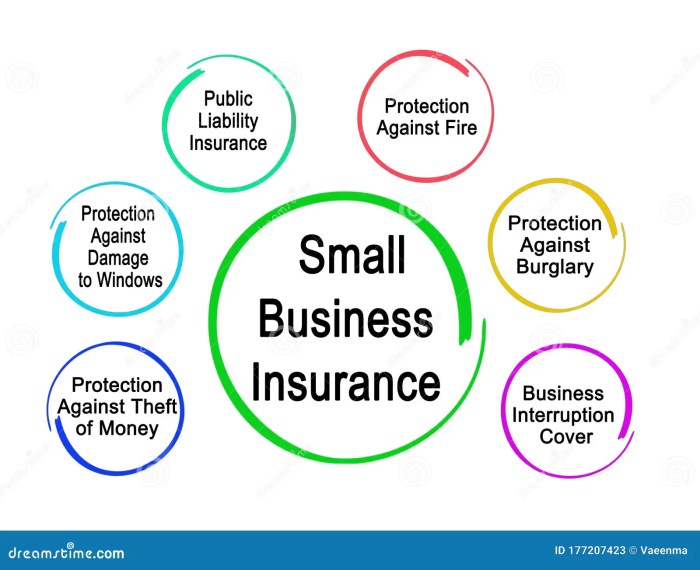
    Common risks covered by business insurance include property damage, liability claims, business interruption, and employee injuries. It’s essential to assess the specific risks faced by your business and tailor an insurance policy that meets your needs.

    Types of Business Insurance

    Various types of business insurance are available, each designed to address specific risks:

    • Property Insurance:Covers damage or loss to business property, including buildings, equipment, and inventory.
    • Liability Insurance:Protects the business from legal claims arising from injuries or damages caused to third parties.
    • Business Interruption Insurance:Provides coverage for lost income and expenses incurred during a business interruption caused by an insured event.
    • Workers’ Compensation Insurance:Covers medical expenses and lost wages for employees injured on the job.
    • Cyber Liability Insurance:Protects the business from financial losses resulting from data breaches, cyberattacks, and other technology-related incidents.

    Coverage and Exclusions

    Business insurance policies provide a comprehensive safety net for small businesses, safeguarding them against potential financial losses and liabilities. Understanding the coverage and exclusions of these policies is crucial for making informed decisions and ensuring adequate protection.

    Essential coverages included in a new small business insurance policy typically encompass:

    • General liability insurance:Protects against claims of bodily injury, property damage, and personal injury.
    • Property insurance:Covers physical assets such as buildings, equipment, and inventory in case of damage or loss due to fire, theft, or natural disasters.
    • Business interruption insurance:Provides coverage for lost income and expenses if business operations are disrupted due to covered events.
    • li> Commercial auto insurance:Protects vehicles used for business purposes against accidents, collisions, and other liabilities.

    While these coverages provide a solid foundation, it’s important to be aware of common exclusions and limitations in business insurance policies. These may include:

    • Intentional acts:Coverage typically excludes damages resulting from deliberate or intentional actions by the policyholder.
    • Acts of war or terrorism:Most policies do not cover losses caused by war, terrorism, or other acts of violence.
    • Employee dishonesty:While some policies offer coverage for employee theft or fraud, it may be subject to specific conditions and limitations.
    • Professional liability:This coverage is not typically included in standard business insurance policies and requires separate coverage for businesses providing professional services.

    Customizing coverage to meet specific business needs is essential. By understanding the coverage and exclusions of business insurance policies, small businesses can tailor their protection to align with their unique risks and exposures. This proactive approach ensures adequate coverage and peace of mind, allowing businesses to focus on their operations without the burden of unforeseen financial losses.

    Cost and Premiums

    The cost of business insurance premiums is determined by a range of factors, including the type of business, its size, location, and risk profile. Understanding these factors can help businesses optimize their insurance coverage while minimizing costs.

    Key factors influencing premium costs include:

    • Industry and Occupation:Businesses in high-risk industries, such as construction or manufacturing, typically pay higher premiums than those in lower-risk sectors.
    • Business Size:Larger businesses generally face higher premiums due to increased potential for losses.
    • Location:Premiums can vary based on the location of the business, considering factors such as crime rates and natural disaster risks.
    • Claims History:Businesses with a history of claims may experience higher premiums, as insurers assess the likelihood of future claims.
    • Deductibles:Choosing a higher deductible can lower premiums, but it also increases the out-of-pocket expenses in the event of a claim.

    Strategies for Reducing Insurance Costs, New small business insurance

    Businesses can explore several strategies to reduce their insurance costs:

    • Shop Around:Comparing quotes from multiple insurance providers can help businesses find the most competitive rates.
    • Increase Deductibles:Raising the deductible can significantly lower premiums, but it’s essential to ensure the business can afford the higher out-of-pocket costs.
    • Improve Risk Management:Implementing measures to reduce risks, such as installing security systems or training employees on safety protocols, can lower premiums.
    • Negotiate with Insurers:Businesses with a good claims history and strong financial standing may be able to negotiate lower premiums with their insurers.

    Claims Process

    New small business insurance

    Filing a business insurance claim involves several steps to ensure a smooth and efficient process. Understanding the required documentation and the timeframe for claim processing can help businesses navigate this process effectively.

    To initiate a claim, policyholders should promptly notify their insurance provider of the incident. The insurance company will assign a claims adjuster to guide the policyholder through the process and assess the damages.

    Required Documentation

    To support a claim, policyholders typically need to provide the following documentation:

    • Proof of loss, such as a police report, medical records, or repair estimates
    • Policy number and insurance card
    • Contact information for witnesses or other parties involved
    • Financial records to substantiate the claimed losses

    Timeframe for Claim Processing

    The timeframe for claim processing varies depending on the complexity of the claim and the insurance company’s procedures. However, policyholders can expect the following general timeline:

    1. Initial claim reporting: Within 24-48 hours
    2. Claims adjuster assignment: Within 1-3 business days
    3. Investigation and documentation gathering: 1-2 weeks
    4. Claim settlement: 30-60 days or longer for complex claims

    During the claim process, policyholders should maintain open communication with their claims adjuster and provide timely updates on the status of the claim.

    Selecting an Insurance Provider

    New small business insurance

    Choosing the right insurance provider is crucial for ensuring you have the coverage you need at a price you can afford. Here are some key factors to consider when making your decision:

    • Financial stability:Make sure the insurance company you choose is financially stable and has a good track record of paying claims.
    • Coverage options:Compare the coverage options offered by different insurance providers to find the one that best meets your needs.
    • Customer service:Look for an insurance provider with a reputation for providing excellent customer service.
    • Cost:Get quotes from multiple insurance providers to compare costs and find the best deal.

    Benefits of Working with an Insurance Broker

    An insurance broker can help you find the right insurance coverage for your business. They can also negotiate the best possible rates on your behalf. Here are some of the benefits of working with an insurance broker:

    • Expertise:Insurance brokers are experts in the insurance industry and can help you understand your coverage options.
    • Access to multiple insurance companies:Insurance brokers have access to multiple insurance companies, so they can compare quotes and find the best coverage for your needs.
    • Negotiation skills:Insurance brokers have the negotiation skills to get you the best possible rates on your insurance.
    • Ongoing support:Insurance brokers can provide ongoing support and advice as your business changes.

    Tips for Negotiating the Best Possible Coverage and Rates

    Here are some tips for negotiating the best possible coverage and rates on your business insurance:

    • Be prepared:Gather all of your financial information and insurance needs before you start negotiating.
    • Shop around:Get quotes from multiple insurance providers to compare costs and coverage.
    • Negotiate:Don’t be afraid to negotiate with your insurance provider. You may be able to get a better deal on your coverage.
    • Be patient:Negotiating the best possible coverage and rates can take time. Don’t get discouraged if you don’t get the best deal right away.

    Closing Notes

    Due broker ruth

    Navigating the complexities of new small business insurance can be daunting, but with the right knowledge and guidance, you can secure your enterprise against potential threats. By carefully considering the coverage options, understanding the exclusions, and selecting a reputable insurance provider, you can ensure that your business is well-protected and poised for success.

    Common Queries: New Small Business Insurance

    What are the key benefits of new small business insurance?

    New small business insurance provides a safety net against financial losses resulting from unforeseen events, such as property damage, liability claims, and business interruptions. It offers peace of mind and allows you to focus on growing your business without the fear of financial ruin.

    How much does new small business insurance cost?

    The cost of new small business insurance varies depending on factors such as the industry, location, coverage limits, and deductible. It’s advisable to compare quotes from multiple insurance providers to find the best coverage at an affordable price.

    What are the common exclusions in new small business insurance policies?

    Common exclusions include intentional acts, criminal activities, and certain types of professional liability. It’s important to carefully review the policy exclusions to ensure that your business is adequately protected.

  • Low Cost Business Insurance Quotes: A Guide to Finding Affordable Coverage

    Low Cost Business Insurance Quotes: A Guide to Finding Affordable Coverage

    In the competitive business landscape, securing affordable insurance coverage is crucial for protecting your enterprise against financial risks. Low cost business insurance quotes empower businesses to optimize their coverage while minimizing premiums, ensuring their resilience in the face of unforeseen events.

    This comprehensive guide delves into the intricacies of low cost business insurance quotes, providing valuable insights into cost-effective coverage options, market trends, and strategies for saving money. By leveraging the information presented here, businesses can make informed decisions that safeguard their financial well-being and drive their success.

    Understand Target Audience

    Businesses with limited budgets and financial resources are particularly in need of low-cost insurance quotes to safeguard their operations and assets. These businesses often face unique challenges in securing affordable insurance coverage, given their resource constraints and potential exposure to risks.

    Characteristics of Businesses Needing Low-Cost Insurance Quotes

    • Startups and small businesses with limited capital and revenue streams.
    • Non-profit organizations and charities with constrained budgets.
    • Freelancers and independent contractors operating with modest income levels.
    • Home-based businesses with limited physical assets and exposures.
    • Businesses in low-risk industries with minimal liability exposure.

    Benefits of Tailored Insurance Solutions for Target Audience, Low cost business insurance quotes

    • Cost-effective protection:Tailored insurance solutions can provide essential coverage at a price point that aligns with the financial constraints of these businesses.
    • Customized coverage:By understanding the specific needs and risks of each business, tailored solutions can offer targeted coverage that addresses their unique exposures.
    • Reduced risk exposure:With appropriate insurance coverage, businesses can mitigate potential financial losses and safeguard their operations from unforeseen events.
    • Peace of mind:Having affordable insurance coverage can provide business owners with peace of mind, knowing that their assets and operations are protected in case of unexpected incidents.
    • Compliance with regulations:Certain industries or jurisdictions may require businesses to carry specific types of insurance coverage. Tailored solutions can ensure compliance with these regulations.

    Identify Cost-Effective Coverage Options

    Every business, regardless of its size or industry, faces unique risks that could potentially lead to financial losses. Having the right insurance coverage in place can provide businesses with the necessary protection to mitigate these risks and ensure their financial stability.

    However, finding the most cost-effective coverage options can be a daunting task, especially for businesses on a tight budget.

    Types of Essential Insurance Coverage

    The types of insurance coverage that are essential for businesses vary depending on their specific operations and risks. However, some of the most common types of coverage include:

    • General liability insurance: Protects businesses against claims of bodily injury or property damage caused by their operations, products, or services.
    • Property insurance: Covers businesses against losses or damage to their physical assets, such as buildings, equipment, and inventory.
    • Business interruption insurance: Provides businesses with coverage for lost income and expenses if their operations are disrupted due to a covered event, such as a fire or natural disaster.
    • Workers’ compensation insurance: Protects businesses against claims by employees who are injured or become ill on the job.
    • Cyber liability insurance: Protects businesses against financial losses and legal expenses resulting from data breaches or cyberattacks.

    Strategies for Optimizing Coverage

    While it is important to have adequate insurance coverage, businesses should also strive to optimize their coverage while minimizing premiums. Here are a few strategies that can help:

    • Shop around and compare quotes from multiple insurance providers. This will help you find the best coverage at the most competitive price.
    • Increase your deductible. A higher deductible will lower your premiums, but it also means you will have to pay more out of pocket if you file a claim.
    • Bundle your insurance policies. Many insurance companies offer discounts for businesses that bundle their coverage, such as general liability and property insurance.
    • Take steps to reduce your risk. This could include implementing safety measures, training employees, and maintaining a clean and well-maintained workplace.
    • Work with an insurance broker. An insurance broker can help you navigate the insurance market and find the best coverage for your business.

    By following these strategies, businesses can identify cost-effective coverage options that meet their specific needs and protect them from financial losses.

    Compare and Contrast Providers

    Low cost business insurance quotes

    Comparing insurance providers is crucial to finding the best coverage at an affordable price. Factors to consider include premiums, coverage options, customer service, and financial stability.

    To help you make an informed decision, we have compiled a table comparing different providers based on these key factors. We have also highlighted the advantages and disadvantages of each provider to help you make an informed choice.

    Premiums

    • Premiums vary depending on the provider, coverage level, and individual risk factors.
    • Compare quotes from multiple providers to ensure you are getting the best deal.

    Coverage

    • Coverage options can vary significantly between providers.
    • Determine the specific coverage you need and compare the policies offered by different providers to find the best fit.

    Customer Service

    • Customer service is an important consideration, especially if you have any claims or need assistance.
    • Read reviews and contact the providers directly to assess their responsiveness and helpfulness.

    Financial Stability

    • The financial stability of the insurance provider is crucial to ensure they can meet their obligations.
    • Check the provider’s financial ratings and reviews to assess their long-term viability.

    Analyze Market Trends: Low Cost Business Insurance Quotes

    Low cost business insurance quotes

    The business insurance market is constantly evolving, and it’s important to stay up-to-date on the latest trends. These trends can have a significant impact on the cost of your business insurance, and they can also affect the coverage options that are available to you.

    Understanding these trends will help you make informed decisions about your business insurance and ensure that you’re getting the best possible coverage at the most affordable price.

    One of the most important trends to watch is the rising cost of claims. The cost of claims has been rising steadily for several years, and this trend is expected to continue in the future. This is due to a number of factors, including the increasing cost of medical care, the rising number of lawsuits, and the increasing severity of natural disasters.

    The rising cost of claims is putting pressure on insurance companies to raise rates, and this is likely to lead to higher business insurance costs in the future.

    Another important trend to watch is the increasing use of technology in the insurance industry. Insurance companies are using technology to improve their underwriting processes, to reduce their costs, and to provide better customer service. This is leading to a number of changes in the way that business insurance is purchased and managed.

    For example, many insurance companies now offer online quoting and policy management tools, and they are also using data analytics to identify and mitigate risks.

    Regulatory Changes

    Regulatory changes can also have a significant impact on the cost of business insurance. For example, the Affordable Care Act has led to an increase in the cost of health insurance, and this has had a ripple effect on the cost of other types of business insurance.

    Regulatory changes can also affect the coverage options that are available to you. For example, the Dodd-Frank Wall Street Reform and Consumer Protection Act has led to new regulations on financial institutions, and this has made it more difficult for some businesses to obtain directors and officers insurance.

    By understanding the latest market trends, you can make informed decisions about your business insurance and ensure that you’re getting the best possible coverage at the most affordable price.

    Provide Tips for Saving Money

    To secure affordable business insurance, explore cost-saving strategies and negotiate effectively with providers. This guide unveils valuable tips to optimize your insurance premiums and manage risks efficiently.

    Negotiation Strategies

    • Shop around and compare quotes:Obtain multiple quotes from different insurance providers to identify the most competitive options.
    • Negotiate premiums:Discuss premium rates with insurance companies. Consider factors like deductible, coverage limits, and risk mitigation measures to negotiate a favorable premium.
    • Bundle policies:Combine multiple insurance policies, such as property and liability, with the same provider to qualify for package discounts.

    Risk Management Techniques

    Proactively manage risks to minimize the likelihood and severity of claims, which can lower insurance premiums.

    • Implement safety protocols:Establish clear safety guidelines, train employees, and maintain a safe work environment to prevent accidents and injuries.
    • Regularly inspect property:Conduct thorough inspections to identify and address potential hazards, reducing the risk of damage or loss.
    • Control losses:Develop contingency plans and implement loss prevention measures to minimize the financial impact of unexpected events.

    Final Thoughts

    Insurance business small health group plans myers teresa november comments

    In conclusion, low cost business insurance quotes are a vital tool for businesses seeking to balance their financial responsibilities with the need for robust protection. By understanding their target audience, identifying cost-effective coverage options, comparing providers, and analyzing market trends, businesses can optimize their insurance strategies and secure peace of mind.

    Remember, proactive risk management and informed decision-making are key to ensuring the long-term viability and prosperity of your enterprise. Embrace the guidance provided in this guide, and empower your business with the protection it deserves.

    Q&A

    What types of insurance coverage are essential for businesses?

    Essential coverage includes general liability, property insurance, workers’ compensation, and business interruption insurance.

    How can businesses optimize coverage while minimizing premiums?

    Strategies include increasing deductibles, implementing risk management measures, and bundling policies with the same provider.

    What factors should businesses consider when comparing insurance providers?

    Factors include premiums, coverage options, financial stability, customer service, and industry reputation.

  • Unlock the Best New Business Insurance Quotes for Peace of Mind

    Unlock the Best New Business Insurance Quotes for Peace of Mind

    New business insurance quotes – Embark on a journey to secure the perfect insurance quotes for your burgeoning business. Discover the intricacies of coverage options, risk assessment, and premium factors. Dive into the world of insurance providers, comparing quotes, and deciphering policy terms. Prepare for renewal negotiations and navigate the insurance landscape with confidence.

    Understanding your insurance needs is paramount. Assess your risks, determine coverage levels, and explore the factors that shape your premiums. With this knowledge, you’ll be equipped to compare quotes from reputable providers and negotiate the best deal for your business.

    Understanding New Business Insurance Quotes

    New business insurance quotes

    Understanding the intricacies of new business insurance quotes is paramount for business owners seeking financial protection. This guide will delve into the various coverage options, risk assessment strategies, and factors influencing premium calculations, empowering you to make informed decisions.

    Types of Insurance Coverage for New Businesses

    New businesses require a comprehensive insurance portfolio to mitigate potential risks. Common coverage options include:

    • General Liability Insurance:Protects against claims of bodily injury, property damage, or personal injury caused by your business operations.
    • Commercial Property Insurance:Covers your physical assets, such as buildings, equipment, and inventory, against damage or loss due to events like fire, theft, or vandalism.
    • Business Interruption Insurance:Provides coverage for lost income and expenses incurred if your business is forced to close temporarily due to a covered event.
    • li> Professional Liability Insurance:Protects against claims of negligence or errors in professional services rendered.

    Obtaining Quotes from Multiple Providers: New Business Insurance Quotes

    Acquiring insurance quotes from various providers is crucial to ensure you secure the most suitable and cost-effective coverage for your business. Comparing multiple quotes allows you to evaluate the offerings of different insurers, identify the most competitive rates, and determine the extent of coverage provided.

    Finding Reputable Insurance Companies, New business insurance quotes

    To obtain accurate and reliable quotes, it’s essential to seek quotes from reputable insurance companies with a proven track record. Research the companies’ financial stability, customer service ratings, and industry reputation. You can consult independent rating agencies like AM Best or Standard & Poor’s for insights into the insurers’ financial strength and claims-paying ability.

    Tips for Obtaining Accurate Quotes

    When requesting quotes, provide detailed and accurate information about your business, including its size, industry, revenue, and specific insurance needs. Be transparent about any potential risks or claims history. This information will enable insurers to provide tailored quotes that accurately reflect your business’s unique requirements.

    Key Elements to Consider When Comparing Quotes

    • Coverage:Carefully review the extent of coverage offered by each quote. Ensure it aligns with your business’s specific needs and risk profile.
    • Premium:Compare the premiums quoted by different providers. Consider both the upfront cost and any potential long-term savings or discounts.
    • Deductible:Pay attention to the deductible amount, which represents the portion of any claim you’ll be responsible for paying before the insurance coverage kicks in.
    • Exclusions and Limitations:Understand any exclusions or limitations in the policies, as they can impact the coverage you receive.
    • Customer Service:Consider the reputation of each insurer for providing prompt and helpful customer service in the event of a claim.

    Evaluating Insurance Policies

    Insurance business quotes

    Understanding the intricacies of insurance policies is crucial to making informed decisions. These policies contain specific terms and conditions that define the coverage provided, the exclusions and limitations, and the responsibilities of both the insurer and the policyholder. A thorough evaluation of these policies ensures that you fully comprehend the protection you’re purchasing and the potential gaps that may exist.

    Identifying and Evaluating Coverage Exclusions and Limitations

    Insurance policies often contain exclusions and limitations that specify situations or events that are not covered under the policy. It’s essential to carefully review these exclusions and limitations to determine their potential impact on your coverage. Some common exclusions include:

    • Acts of war or terrorism
    • Pre-existing medical conditions
    • Intentional acts or criminal behavior

    Understanding these exclusions and limitations allows you to identify any potential gaps in your coverage and consider additional measures to mitigate risks that may not be covered by the policy.

    Negotiating Premiums and Coverage

    New business insurance quotes

    Negotiating insurance premiums and coverage involves a dialogue between you and insurance providers to reach mutually agreeable terms. Effective communication and strategic planning are key to securing the best possible deal while maintaining adequate coverage.

    To initiate negotiations, gather relevant information about your business, including financial statements, loss history, and industry-specific risks. This data will help you justify your requests and demonstrate your understanding of the insurance landscape.

    Communicating with Insurance Agents

    When communicating with insurance agents, clarity and assertiveness are essential. Clearly articulate your coverage needs, budget constraints, and expectations. Be prepared to provide supporting documentation and ask questions to ensure a thorough understanding of the policies being offered.

    • Be specific:Artikel your desired coverage levels and any specific exclusions or endorsements you require.
    • Be realistic:Understand the market value of your coverage and avoid unrealistic expectations.
    • Be confident:Express your knowledge and understanding of the insurance process, but be open to suggestions and negotiations.

    Strategies for Reducing Insurance Costs

    While negotiating coverage, consider strategies to reduce insurance costs without sacrificing protection. These include:

    • Increase deductibles:Raising your deductibles can lower your premiums, but ensure you can afford the higher out-of-pocket expenses in case of a claim.
    • Bundle policies:Combining multiple insurance policies with the same provider can often result in discounts.
    • Implement risk management measures:Proactively reducing risks within your business, such as installing security systems or implementing safety protocols, can make you a more attractive insurance prospect.

    Securing the Best Deal

    To secure the best possible deal, consider the following:

    • Obtain quotes from multiple providers:Compare premiums and coverage options from several insurance companies to ensure you’re getting the most competitive rates.
    • Negotiate coverage limits:Adjust coverage limits to meet your specific needs and budget, ensuring you have adequate protection without overpaying.
    • Review policy terms carefully:Before signing any contracts, thoroughly review the policy terms and conditions to ensure they align with your expectations.

    Managing Insurance Renewals

    Maintaining up-to-date insurance coverage is crucial for businesses of all sizes. Failing to renew insurance policies promptly can result in coverage gaps, leaving businesses vulnerable to financial losses. This section provides guidance on the significance of timely insurance policy renewals, how to prepare for renewal negotiations, and steps to take if you are not satisfied with your current insurance coverage.

    Preparing for Insurance Renewal Negotiations

    Prior to insurance renewal, it is essential to assess your current coverage and identify any areas that need adjustment. Consider the following steps:

    1. Review your existing policy: Examine the terms, limits, and deductibles to determine if they still meet your business needs.
    2. Evaluate your risk profile: Assess any changes in your business operations or industry that may impact your insurance requirements.
    3. Shop around for quotes: Obtain quotes from multiple insurance providers to compare coverage options and premiums.
    4. Negotiate with your current provider: Discuss your renewal terms with your current insurer, presenting your research and justification for any requested changes.
    5. Consider alternative options: If you are not satisfied with your current insurer’s renewal offer, explore other insurance providers or consider self-insurance options.

    Steps to Take if Dissatisfied with Current Coverage

    If you are not satisfied with your current insurance coverage, you have several options:

    • Negotiate with your current insurer: Communicate your concerns and request changes to the policy terms or premiums.
    • Switch to a different insurer: Obtain quotes from other insurance providers and compare coverage options and premiums before making a decision.
    • Consider self-insurance: Evaluate the feasibility of self-insuring certain risks, assuming the financial responsibility yourself.

    Last Recap

    Securing the right insurance coverage is a cornerstone of business success. By following these steps, you’ll gain a comprehensive understanding of new business insurance quotes and make informed decisions. Remember, the journey to protecting your business starts with a thorough evaluation of your needs and ends with a policy that provides peace of mind.

    Detailed FAQs

    What are the key types of insurance coverage for new businesses?

    General liability, property insurance, business interruption insurance, and workers’ compensation insurance are essential for protecting your business.

    How do I determine the appropriate coverage levels for my business?

    Assess your potential risks, consider the value of your assets, and consult with an insurance professional to determine the optimal coverage levels.

    What factors influence insurance premiums for new businesses?

    Industry, location, claims history, and business size are among the factors that impact your premiums.