Business liability insurance for small business – In the dynamic world of small businesses, safeguarding your enterprise against unforeseen liabilities is paramount. Enter business liability insurance, a crucial shield that empowers entrepreneurs to navigate the complexities of risk and liability with confidence.
From protecting against costly lawsuits to safeguarding reputation and customer trust, business liability insurance serves as a cornerstone of a comprehensive risk management strategy. Dive into this detailed guide to understand the types of coverage available, assess your insurance needs, and find the right provider to ensure your small business thrives in the face of potential liabilities.
Liability Coverage for Business Owners

Liability insurance is a crucial protection for small businesses, shielding them from financial losses resulting from claims of negligence or harm caused to others. Various types of liability coverage are available, each tailored to specific risks faced by different businesses.
General Liability Insurance
General liability insurance provides broad coverage for a wide range of common business risks, including:
- Bodily injury or property damage to customers, clients, or third parties
- Advertising injuries, such as libel, slander, or copyright infringement
- Personal and advertising injuries, such as defamation or invasion of privacy
Professional Liability Insurance
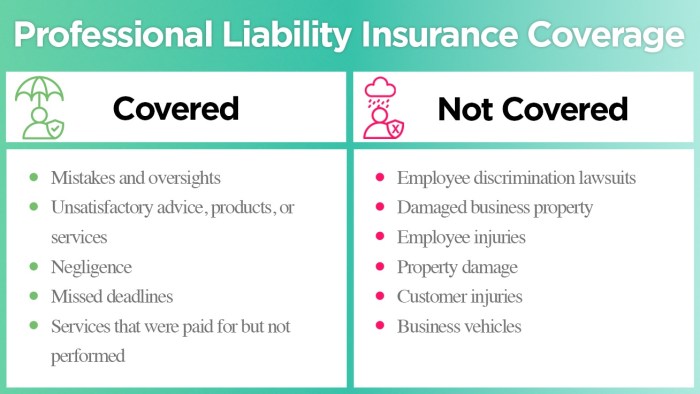
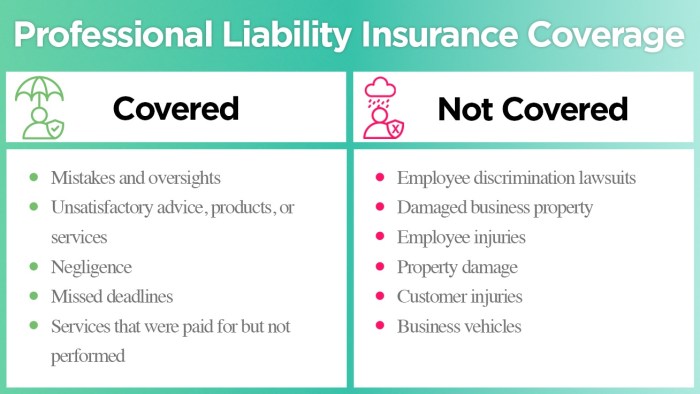
Professional liability insurance, also known as errors and omissions (E&O) insurance, protects businesses that provide professional services from claims of negligence, mistakes, or omissions in their work. This coverage is particularly important for professionals such as accountants, lawyers, consultants, and healthcare providers.
Product Liability Insurance
Product liability insurance protects businesses from claims that their products have caused injury or damage to consumers. This coverage is essential for businesses that manufacture, distribute, or sell products.
Benefits of Business Liability Insurance
Business liability insurance is a crucial safeguard for small businesses, providing financial protection against a wide range of risks that can threaten their stability and reputation.
Protection against Lawsuits
Liability insurance acts as a financial buffer against lawsuits filed by customers, employees, or third parties who suffer injuries or property damage due to the business’s operations or negligence. It covers legal expenses, settlements, and judgments, preventing the business from bearing the full financial burden of these claims.
Property Damage Coverage
Liability insurance also covers property damage caused by the business’s activities or negligence. This includes damage to customer property, rented premises, or equipment owned by the business. By mitigating the financial impact of property damage, liability insurance helps businesses avoid costly repairs or replacements.
Lost Income Protection, Business liability insurance for small business
In the event of a covered incident that forces the business to close temporarily, liability insurance can provide compensation for lost income. This coverage ensures that the business can continue to pay its bills, retain employees, and recover from the financial setbacks caused by the incident.
Reputation and Customer Trust
Beyond financial protection, liability insurance also helps businesses maintain their reputation and customer trust. By demonstrating that the business is insured and prepared to handle unforeseen events, it instills confidence in customers and partners, who are more likely to engage with a business that prioritizes safety and responsibility.
Determining Insurance Needs

Assessing your liability risks and determining the appropriate level of coverage is crucial for small business owners. Understanding your industry, business size, and potential exposure to claims will guide you in making informed decisions.
Factors to consider when determining insurance needs include:
Industry
- Different industries have varying liability risks. For example, a construction company faces higher risks compared to an office-based consulting firm.
- Consider the specific hazards associated with your industry and the potential for accidents or incidents.
Business Size
- Larger businesses typically have more employees, customers, and assets, which increases their exposure to claims.
- Smaller businesses may have lower risks, but still need to consider potential liabilities.
Potential Exposure to Claims
- Evaluate the likelihood of facing lawsuits or claims related to your business activities.
- Consider factors such as the number of customers you serve, the nature of your products or services, and your business location.
Finding the Right Insurance Provider

Selecting the appropriate insurance provider is crucial for small businesses. There are several types of providers available:
- Captive insurers:These are insurance companies owned by a specific industry or group of businesses, providing coverage tailored to their unique needs.
- Commercial insurance companies:These are traditional insurance providers that offer a wide range of coverage options to businesses of all sizes.
- Brokers:These are independent agents who represent multiple insurance companies and can assist businesses in finding the best coverage for their needs.
When selecting an insurance provider, consider the following factors:
- Financial stability:Ensure the provider has a strong financial track record and can fulfill its obligations in the event of a claim.
- Coverage options:Review the provider’s coverage options to ensure they align with your business’s specific needs and risks.
- Customer service:Consider the provider’s reputation for responsiveness, claims handling, and overall customer support.
Managing Liability Risks
Minimizing liability risks is crucial for small businesses. By implementing comprehensive risk management strategies, businesses can protect themselves from potential financial and reputational damage.
Proactive measures, such as establishing clear safety protocols and conducting regular risk assessments, help identify and mitigate potential hazards. Maintaining accurate and up-to-date documentation, including employee training records and incident reports, provides a strong foundation for defense in case of claims.
Insurance as a Risk Management Tool
Liability insurance is an essential component of a comprehensive risk management plan. It provides financial protection against legal claims and expenses arising from accidents, injuries, or property damage. By transferring the risk to an insurance provider, businesses can mitigate the financial burden associated with liability.
Choosing the right insurance policy requires careful consideration of coverage limits, deductibles, and exclusions. Businesses should work with an experienced insurance agent to determine the appropriate level of coverage based on their specific risks and financial situation.
Ultimate Conclusion: Business Liability Insurance For Small Business
As you embark on the journey of entrepreneurship, remember that business liability insurance is not merely an expense but an investment in the longevity and resilience of your enterprise. By proactively managing your liability risks, you create a solid foundation for growth, innovation, and unwavering customer trust.
Embrace the power of business liability insurance and unlock the full potential of your small business.
Q&A
What are the different types of liability coverage available for small businesses?
Small businesses can choose from various liability coverage options, including general liability, professional liability, product liability, and cyber liability insurance.
How can business liability insurance benefit my small business?
Business liability insurance provides financial protection against lawsuits, property damage, lost income, and reputational damage, allowing you to focus on growing your business with peace of mind.
How do I determine the right level of liability insurance for my business?
To determine the appropriate coverage, assess your industry, business size, potential exposure to claims, and financial situation.
What factors should I consider when choosing an insurance provider?
When selecting an insurance provider, evaluate their financial stability, coverage options, customer service, and industry expertise.