Tag: Professional liability insurance

  • Small Business Professional Insurance: Protecting Your Livelihood and Legacy

    Small Business Professional Insurance: Protecting Your Livelihood and Legacy

    Small business professional insurance, a safety net for the visionaries and risk-takers who drive our economy, is an intricate tapestry of coverage options, risk management strategies, and legal compliance. Dive into this comprehensive guide to safeguard your business and dreams.

    Navigating the complexities of insurance can be daunting, but we’re here to break down the jargon and empower you with knowledge. From general liability to professional negligence, property protection to business interruption, we’ll explore the insurance landscape tailored specifically for small business professionals.

    Coverage Options

    Small business professional insurance

    Small business professionals face a wide range of risks that can impact their operations and financial well-being. Comprehensive insurance coverage is essential to mitigate these risks and protect their businesses.

    Various types of insurance coverage are available, each designed to address specific needs and provide protection against different types of losses. Understanding the different options and selecting the appropriate coverage is crucial for small business professionals.

    General Liability Insurance, Small business professional insurance

    General liability insurance protects businesses against claims of bodily injury, property damage, or personal injury caused by their operations, products, or services. It covers legal expenses, settlements, and judgments arising from third-party claims, such as:

    • Customer injuries on business premises
    • Product defects causing harm
    • Professional negligence

    Professional Liability Insurance

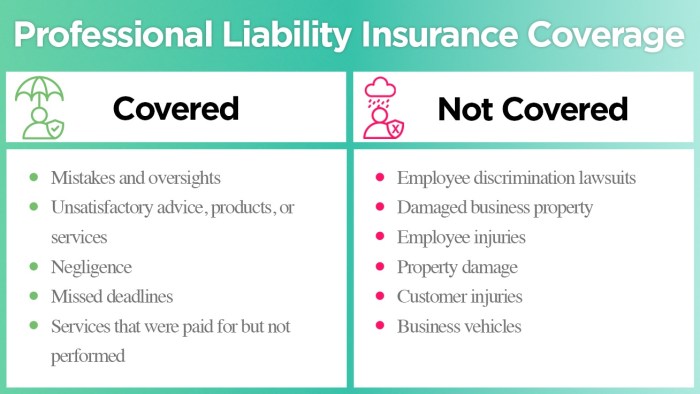
    Professional liability insurance, also known as errors and omissions (E&O) insurance, protects businesses against claims of negligence, errors, or omissions in their professional services. It covers legal expenses, settlements, and judgments arising from claims that the business failed to meet the expected standard of care in providing its services, such as:

    • Mistakes in professional advice
    • Breach of contract
    • Intellectual property infringement

    Property Insurance

    Property insurance protects businesses against physical damage or loss to their property, such as buildings, equipment, inventory, and other assets. It covers losses due to events like fire, theft, vandalism, natural disasters, and other covered perils, such as:

    • Building damage from a storm
    • Theft of office equipment
    • Fire damage to inventory

    Business Interruption Insurance

    Business interruption insurance provides coverage for lost income and expenses incurred when a business is unable to operate due to a covered event, such as a natural disaster, fire, or equipment failure. It helps businesses maintain financial stability during periods of disruption, such as:

    • Loss of revenue due to a hurricane
    • Closure due to a fire
    • Downtime caused by a cyberattack

    Risk Assessment and Mitigation

    Small business professional insurance

    Risk assessment is a crucial step for small businesses to identify and understand potential threats that can jeopardize their operations. By conducting a thorough risk assessment, businesses can proactively mitigate risks and safeguard their assets, reputation, and financial stability.

    Effective risk mitigation strategies involve implementing safety protocols, training employees, and maintaining proper documentation. These measures help businesses minimize the likelihood and impact of potential incidents, ensuring a safer and more secure work environment.

    Risk Assessment

    • Identify potential risks:Conduct a comprehensive review of operations, processes, and assets to pinpoint areas vulnerable to threats such as accidents, data breaches, or natural disasters.
    • Assess risk severity and likelihood:Evaluate the potential impact and probability of identified risks, prioritizing those that pose the greatest threat to the business.
    • Develop risk mitigation plans:Create specific plans outlining actions to reduce or eliminate identified risks, including emergency response protocols, cybersecurity measures, and employee safety training.

    Risk Mitigation

    • Implement safety protocols:Establish clear safety guidelines, conduct regular inspections, and provide necessary safety equipment to prevent accidents and protect employees.
    • Train employees:Educate employees on identified risks and their roles in risk mitigation, empowering them to make informed decisions and respond effectively to potential threats.
    • Maintain proper documentation:Keep accurate records of risk assessments, mitigation plans, and incident reports to demonstrate compliance and provide evidence for insurance claims if necessary.

    Claims Process

    Liability scenarios

    Filing an insurance claim for small business professionals is a crucial process that can help mitigate financial losses and ensure business continuity. Here’s a detailed overview of the steps involved:

    When a covered event occurs, it’s essential to promptly notify your insurance company. Most policies require you to report claims within a specific timeframe, usually within 30-60 days. You can initiate the claim process by calling your insurance provider or submitting a claim online.

    Documenting Your Claim

    To support your claim, you will need to provide comprehensive documentation. This may include:

    • A detailed description of the incident, including the date, time, and location
    • Photographs or videos of the damage or loss
    • Receipts and invoices for any expenses incurred due to the incident
    • Contact information for witnesses or other parties involved

    Timelines and Processing

    The claims processing timeline can vary depending on the complexity of the claim and the insurance company’s procedures. Generally, you can expect the following steps:

    1. Initial Review:The insurance company will review your claim and request any additional documentation needed.
    2. Investigation:An adjuster may be assigned to investigate the claim and assess the extent of the damage or loss.
    3. Settlement Offer:Once the investigation is complete, the insurance company will make a settlement offer based on the policy coverage and the evidence provided.
    4. Negotiation and Approval:You can negotiate the settlement offer with the insurance company if you believe it is inadequate. Once an agreement is reached, the claim will be approved.
    5. Payment:The insurance company will issue payment for the approved claim amount.

    Tips for Effective Communication

    To maximize your claim payout and ensure a smooth claims process, consider the following tips:

    • Be clear and concise:Provide accurate and detailed information about the incident and your losses.
    • Document everything:Gather all relevant documentation and keep it organized for easy reference.
    • Stay organized:Maintain a file or folder for all claim-related correspondence and documents.
    • Be patient:Claims processing can take time, so be patient and follow up regularly without being overly demanding.
    • Consider professional help:If you have a complex or high-value claim, consider seeking advice from an insurance attorney or claims adjuster.

    Choosing the Right Insurance Provider: Small Business Professional Insurance

    Selecting the right insurance provider is crucial for small business professionals. Consider these factors:

    Coverage Options:Ensure the provider offers comprehensive coverage tailored to your specific risks.

    Premiums:Compare premiums from multiple providers to find the best value for your budget.

    Customer Service:Look for a provider with a reputation for responsive and helpful customer support.

    Negotiating with Insurance Providers

    Negotiate effectively to secure the best coverage at a competitive price:

    • Shop around:Obtain quotes from several providers to compare coverage and premiums.
    • Bundle policies:Combine multiple policies, such as general liability and professional liability, with the same provider to save money.
    • Increase deductibles:Consider raising your deductibles to lower premiums, but ensure you can afford the higher out-of-pocket costs.
    • Ask for discounts:Inquire about any available discounts, such as those for good safety records or professional certifications.

    Legal and Regulatory Compliance

    Ensuring compliance with legal and regulatory requirements is essential for small business professionals. Maintaining adequate insurance coverage not only protects your business but also fulfills legal obligations and safeguards your financial interests.

    Consequences of Inadequate Insurance

    Failing to maintain adequate insurance can have severe consequences:

    • Financial losses due to uninsured events
    • Legal liability for accidents or injuries
    • Reputational damage
    • Difficulty obtaining financing or contracts

    Compliance with Industry Standards

    To stay compliant, small business professionals should:

    • Understand the specific insurance requirements for their industry
    • Review industry best practices and standards
    • Seek guidance from insurance professionals and legal counsel

    By adhering to these guidelines, small business professionals can ensure they meet their legal and regulatory obligations, protect their assets, and maintain their business’s reputation and financial stability.

    Final Wrap-Up

    As you navigate the ever-changing business landscape, small business professional insurance stands as a beacon of protection, ensuring your enterprise weathers the storms and seizes opportunities. By understanding your risks, selecting the right coverage, and staying compliant, you’re not just safeguarding your business; you’re investing in its future success.

    General Inquiries

    What types of coverage does small business professional insurance offer?

    Small business professional insurance typically includes coverage for general liability, professional liability, property damage, business interruption, and employee-related risks.

    How can I assess my business’s risks?

    Conduct a thorough risk assessment by identifying potential hazards, evaluating their likelihood and impact, and implementing measures to mitigate them.

    What are the key factors to consider when choosing an insurance provider?

    Compare coverage options, premiums, customer service, financial stability, and industry reputation to select the provider that best meets your needs.

  • Professional Liability Insurance Quotes for Small Businesses: A Guide to Coverage, Costs, and Comparison

    Professional Liability Insurance Quotes for Small Businesses: A Guide to Coverage, Costs, and Comparison

    Professional liability insurance quotes small business – Navigating the realm of professional liability insurance quotes for small businesses can be a daunting task, but it’s a crucial step in safeguarding your company’s reputation and financial well-being. Dive into this comprehensive guide to gain insights into the types of coverage available, factors influencing quotes, and strategies for obtaining the best possible rates.

    Understanding professional liability insurance is paramount for small businesses. It acts as a protective shield against claims alleging negligence, errors, or omissions in the services you provide. By investing in this coverage, you mitigate risks, enhance customer trust, and secure your business’s future.

    Coverage and Benefits

    Professional liability insurance quotes small business

    Professional liability insurance, also known as errors and omissions (E&O) insurance, protects small businesses from financial losses resulting from alleged or actual mistakes, errors, or omissions in the performance of their professional services. It provides coverage for claims of negligence, breach of contract, misrepresentation, and other professional liabilities.Having

    professional liability insurance offers numerous benefits for small businesses. It provides peace of mind, knowing that they are financially protected against costly lawsuits. It also enhances their credibility and reputation, demonstrating to clients that they take their professional responsibilities seriously.

    Furthermore, it can help attract and retain clients who are seeking businesses that prioritize professionalism and risk management.Common claims covered by professional liability insurance include:

    • Negligence in the performance of professional services
    • Errors or omissions in advice or recommendations
    • Breach of contract
    • Misrepresentation or misstatement of facts
    • Defamation or libel
    • Intellectual property infringement

    Factors Affecting Quotes

    Professional liability insurance quotes for small businesses are not one-size-fits-all. Several factors influence the cost of coverage, including:

    Business Size

    The larger the business, the higher the potential for claims. Therefore, larger businesses typically pay higher premiums.

    Industry

    Certain industries, such as healthcare and construction, pose higher risks for professional liability claims. As a result, businesses in these industries can expect to pay higher premiums.

    Claims History, Professional liability insurance quotes small business

    Businesses with a history of claims are considered higher risks and will likely pay higher premiums. Even a single claim can significantly increase the cost of coverage.

    Importance of Understanding Your Risk Profile

    Before getting quotes, it’s essential to understand your business’s risk profile. This includes identifying potential risks and taking steps to mitigate them. By understanding your risk profile, you can provide insurers with a clearer picture of your business and potentially secure lower premiums.

    Obtaining Quotes

    Professional liability insurance quotes small business

    Obtaining professional liability insurance quotes for small businesses is a crucial step in securing the right coverage for your business. Here’s a step-by-step guide to help you get started:

    There are several methods available for obtaining quotes, including online platforms and insurance brokers. Each method has its own advantages and disadvantages:

    Online Platforms

    • Convenience:Online platforms offer a quick and easy way to compare quotes from multiple insurers.
    • Limited Options:Online platforms may not offer quotes from all insurers, which could limit your options.
    • Less Personalization:Online platforms typically provide less personalized advice compared to insurance brokers.

    Insurance Brokers

    • Personalized Advice:Insurance brokers can provide personalized advice and help you understand the coverage options available.
    • Access to Multiple Insurers:Brokers have access to a wider range of insurers, which can increase your chances of finding the best coverage for your business.
    • Higher Cost:Brokers may charge a fee for their services, which can increase the overall cost of your insurance.

    Once you have chosen a method for obtaining quotes, you can follow these steps to compare quotes and choose the best coverage for your business:

    Compare Coverage and Benefits

    Carefully review the coverage and benefits offered by each insurer. Make sure that the policy meets your specific needs and provides adequate protection for your business.

    Consider Premiums and Deductibles

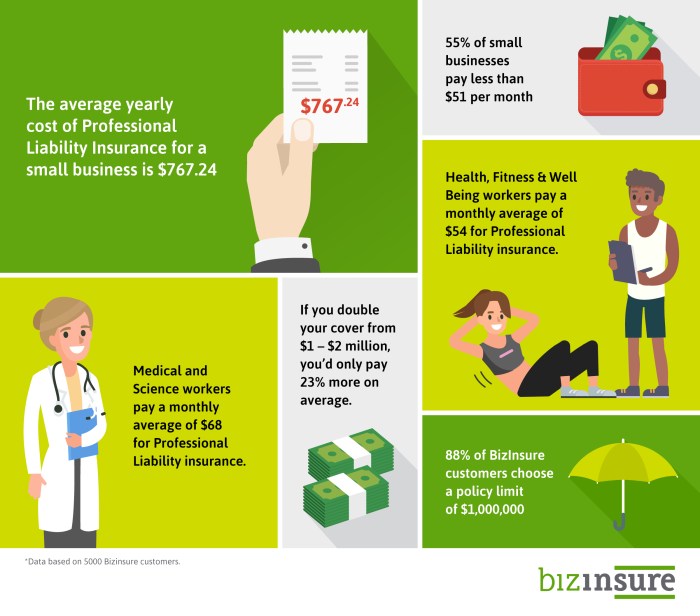
    Premiums are the annual cost of your insurance, while deductibles are the amount you pay out of pocket before your insurance coverage kicks in. Consider your budget and risk tolerance when comparing premiums and deductibles.

    Check the Insurer’s Financial Stability

    It’s important to choose an insurer with a strong financial rating. This ensures that the insurer will be able to pay out claims in the event of a lawsuit.

    Read the Policy Carefully

    Before purchasing a policy, read the policy carefully to understand the terms and conditions. Make sure that you understand what is covered and what is not.

    Negotiating Premiums

    Negotiating professional liability insurance premiums is crucial for small businesses seeking optimal coverage without breaking the bank. Several strategies can enhance your bargaining position.

    Role of Deductibles, Limits of Liability, and Payment Plans

    Deductibles, limits of liability, and payment plans directly impact premiums. Higher deductibles lower premiums, while increased limits of liability lead to higher premiums. Flexible payment plans may offer discounts for upfront payments.

    Tips for Negotiating with Insurance Companies

    *

    -*Research and Compare Quotes

    Obtain quotes from multiple insurers to compare coverage and rates.

    • -*Provide Detailed Information

      Accurately disclose your business activities, claims history, and risk management measures.

    • -*Emphasize Risk Mitigation

      Highlight implemented risk management protocols to demonstrate your commitment to minimizing potential claims.

    • -*Negotiate Deductibles and Limits

      Discuss adjustments to deductibles and limits of liability to optimize coverage and premiums.

    • -*Explore Discounts and Credits

      Inquire about potential discounts for loyalty, multiple policies, or safety initiatives.

    Importance of Regular Reviews

    Liability pmcaonline

    Maintaining adequate professional liability insurance coverage is crucial for small businesses. Regular reviews ensure that your coverage remains aligned with evolving risks and business needs. Neglecting to review your policy can lead to gaps in coverage, leaving you exposed to financial and reputational risks.

    Checklist for Coverage Reviews

    • Review Coverage Limits:Assess if your coverage limits are sufficient to protect against potential claims. Consider the size of your business, the industry you operate in, and the nature of the services you provide.
    • Examine Exclusions:Identify any exclusions or limitations in your policy that may restrict coverage. Ensure you understand the specific circumstances under which your insurance will not provide protection.
    • Consider Additional Coverages:Explore additional coverage options that may be relevant to your business, such as cyber liability, errors and omissions, or directors and officers insurance.
    • Review Policy Terms:Carefully review the terms and conditions of your policy, including the deductible, reporting requirements, and defense costs.
    • Assess Financial Stability:Verify the financial stability of your insurance provider to ensure they have the resources to cover potential claims.

    Closing Summary

    In conclusion, obtaining professional liability insurance quotes for small businesses is an essential step towards protecting your enterprise. By carefully considering coverage options, understanding factors affecting premiums, and negotiating effectively, you can secure the optimal coverage at the most competitive rates.

    Regular reviews of your policy ensure that your business remains adequately protected as it evolves.

    User Queries: Professional Liability Insurance Quotes Small Business

    What are the common types of professional liability insurance coverage for small businesses?

    Professional liability insurance policies typically cover claims alleging errors, omissions, or negligence in the services provided by your business. These policies can be tailored to specific industries and professions, ensuring that your unique risks are addressed.

    How do I obtain professional liability insurance quotes for my small business?

    There are several ways to obtain quotes for professional liability insurance. You can contact insurance companies directly, use online platforms that compare quotes from multiple providers, or work with an insurance broker who can guide you through the process and negotiate on your behalf.

    What factors influence the cost of professional liability insurance for small businesses?

    The cost of professional liability insurance for small businesses is influenced by several factors, including the size of your business, your industry, your claims history, and your desired coverage limits. Understanding your risk profile and tailoring your policy accordingly can help you secure the best possible rates.