The working capital line of credit, a financial lifeline for businesses, empowers them to navigate cash flow challenges and seize growth opportunities. This flexible financing solution offers a revolving credit line that can be drawn upon as needed, providing businesses with the liquidity they need to thrive.
Understanding the ins and outs of a working capital line of credit is crucial for businesses seeking to optimize their financial health. From eligibility criteria to repayment terms, this guide delves into the intricacies of this financing option, empowering businesses to make informed decisions and unlock their growth potential.
Working Capital Line of Credit Overview
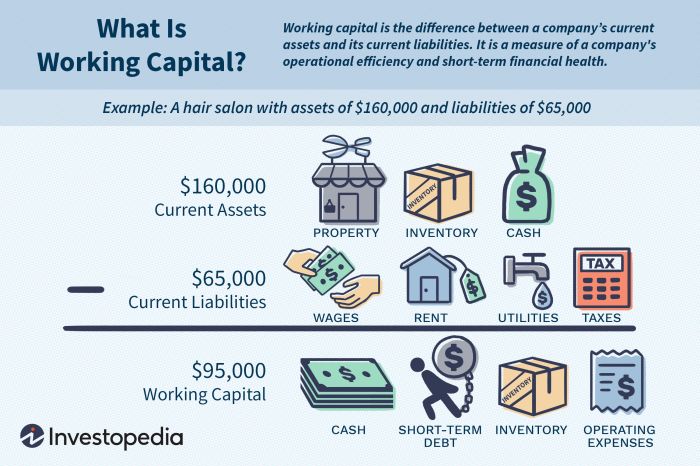
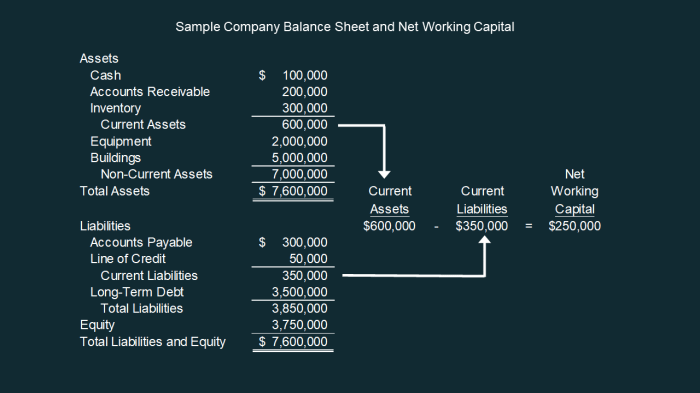
A working capital line of credit (WCL) is a flexible source of financing that allows businesses to borrow funds to meet their short-term working capital needs. Working capital refers to the difference between a company’s current assets and current liabilities.
A WCL provides businesses with access to additional funds to cover expenses such as inventory, accounts receivable, and operating costs.
Businesses of all sizes and industries can benefit from a working capital line of credit. However, it is particularly useful for businesses that experience seasonal fluctuations in their cash flow, have high inventory levels, or are expanding rapidly. A WCL can provide a safety net for businesses to cover unexpected expenses or bridge gaps in cash flow.
Advantages of Using a Working Capital Line of Credit
- Flexibility:A WCL offers businesses flexibility in terms of the amount and timing of their borrowing. Businesses can draw on the line of credit as needed, and they only pay interest on the amount they borrow.
- Quick Access to Funds:A WCL can provide businesses with quick access to funds, which can be crucial in meeting unexpected expenses or taking advantage of opportunities.
- Improved Cash Flow:A WCL can help businesses improve their cash flow by providing them with additional funds to cover expenses and avoid late payments.
- Reduced Borrowing Costs:A WCL can be a more cost-effective way to borrow money than other forms of financing, such as a term loan or invoice factoring.
Disadvantages of Using a Working Capital Line of Credit
- Interest Costs:Businesses will have to pay interest on the amount of money they borrow under a WCL. Interest rates can vary depending on the lender and the business’s creditworthiness.
- Covenants and Restrictions:Lenders may impose covenants and restrictions on businesses that use a WCL. These covenants may limit the business’s ability to take on additional debt or make certain investments.
- Personal Guarantees:In some cases, lenders may require personal guarantees from the business’s owners or directors as a condition of obtaining a WCL.
Eligibility and Application Process
Obtaining a working capital line of credit requires meeting specific criteria and following a defined application process. Lenders carefully evaluate applicants based on various factors to determine their eligibility and creditworthiness.
Eligibility Criteria
To qualify for a working capital line of credit, businesses typically need to:
- Have a strong financial history with consistent revenue and profitability.
- Maintain a healthy credit score and a low debt-to-income ratio.
- Provide collateral or a personal guarantee to secure the loan.
- Demonstrate a clear need for additional working capital.
- Have a well-defined business plan outlining how the line of credit will be used.
Application Process
The application process for a working capital line of credit typically involves the following steps:
- Contacting a lender and submitting a formal application.
- Providing detailed financial information, including income statements, balance sheets, and cash flow projections.
- Submitting business plans, tax returns, and other supporting documents.
- Undergoing a credit check and financial analysis by the lender.
- Receiving a decision from the lender and negotiating loan terms if approved.
Factors Considered by Lenders
When evaluating an application for a working capital line of credit, lenders consider several factors, including:
- The business’s financial performance and stability.
- The experience and track record of the business owners.
- The industry and market in which the business operates.
- The purpose and intended use of the working capital.
- The collateral or personal guarantee offered as security.
Terms and Conditions
Working capital lines of credit come with specific terms and conditions that borrowers must adhere to. These conditions Artikel the interest rates, repayment schedules, collateral requirements, and potential fees associated with the financing.
Interest Rates
Interest rates on working capital lines of credit vary depending on the lender, the borrower’s creditworthiness, and the current market conditions. Rates are typically floating, meaning they fluctuate with changes in the prime rate or other benchmark interest rates. Borrowers with strong credit histories and financial performance generally qualify for lower interest rates.
Repayment Schedules
Repayment schedules for working capital lines of credit can be structured to meet the borrower’s specific needs. Common repayment options include monthly installments, quarterly payments, or interest-only payments during the draw period, followed by principal and interest payments during the repayment period.
Collateral Requirements
Lenders may require collateral to secure working capital lines of credit, especially for larger loan amounts or borrowers with weaker credit profiles. Common forms of collateral include accounts receivable, inventory, and real estate. Providing collateral can help reduce the lender’s risk and potentially qualify the borrower for more favorable terms.
Fees and Charges
Working capital lines of credit may be subject to various fees and charges, including origination fees, commitment fees, and late payment fees. Origination fees are one-time charges assessed at the time the loan is established. Commitment fees are ongoing charges paid to the lender for maintaining the line of credit, even if it is not drawn upon.
Late payment fees are charged if the borrower fails to make payments on time.
Alternatives to Working Capital Lines of Credit
Businesses seeking working capital have various financing options beyond working capital lines of credit. These alternatives offer distinct advantages and disadvantages, making it crucial to understand their nuances and select the most suitable option based on specific business needs.
Key alternative financing options include term loans, invoice financing, and equity financing. Let’s explore each option in detail.
Term Loans
Term loans are traditional financing options where businesses borrow a lump sum of money from a lender and repay it over a fixed term, typically with monthly installments. Term loans often require collateral and can have longer application and approval processes compared to other alternatives.
Advantages:
- Fixed interest rates, providing predictable repayment costs.
- Longer repayment terms, allowing for manageable monthly payments.
- Can be used for a wide range of business purposes, including capital expenditures and working capital.
Disadvantages:
- Collateral requirements may limit accessibility for some businesses.
- Longer application and approval processes compared to other alternatives.
- Repayment schedules may not align with seasonal or fluctuating cash flows.
Invoice Financing
Invoice financing involves selling unpaid invoices to a financing company at a discount. The financing company advances a percentage of the invoice amount, providing businesses with immediate access to cash while waiting for customers to pay. Invoice financing is typically short-term and can be particularly useful for businesses with a high volume of accounts receivable.
Advantages:
- Provides quick access to cash, improving cash flow.
- No collateral requirements, making it accessible to a wider range of businesses.
- Flexible repayment terms that align with invoice payment schedules.
Disadvantages:
- Can be more expensive than other financing options, due to fees and discounts.
- May require businesses to factor a significant portion of their invoices, limiting flexibility.
- Can impact customer relationships if the financing company contacts customers directly for payment.
Equity Financing
Equity financing involves selling a portion of the business to investors in exchange for cash. This option can provide substantial funding but also dilutes ownership and may involve giving up some control of the business. Equity financing is typically considered a long-term financing solution.
Advantages:
- Provides access to large amounts of capital, suitable for significant growth or expansion.
- No repayment obligations, as funds are not borrowed but invested.
- Can enhance the credibility and reputation of the business by attracting investors.
Disadvantages:
- Dilutes ownership and may lead to loss of control over business decisions.
- Can be complex and time-consuming to arrange.
- Investors may expect a share of profits and may have influence on business operations.
Best Practices for Utilizing a Working Capital Line of Credit
Effectively managing a working capital line of credit requires a disciplined approach and a clear understanding of its purpose and limitations. By following these best practices, businesses can maximize the benefits of this financing tool while minimizing potential risks.
To optimize the use of a working capital line of credit, businesses should focus on cash flow management, financial forecasting, and maintaining a strong financial position.
Cash Flow Management, Working capital line of credit
Managing cash flow is critical for any business, but it becomes even more important when using a working capital line of credit. Businesses should implement a system for tracking cash inflows and outflows to ensure that they have sufficient liquidity to meet their obligations.
This system should include:
- A cash flow budget that projects future cash flows
- Regular monitoring of accounts receivable and accounts payable
- Procedures for managing inventory levels
- A plan for dealing with unexpected expenses
Financial Forecasting
Financial forecasting is essential for businesses that want to use a working capital line of credit responsibly. By forecasting their financial needs, businesses can avoid overborrowing and ensure that they have sufficient funds to meet their obligations.
Financial forecasting should include:
- Preparing a detailed income statement
- Projecting future cash flows
- Identifying potential risks and opportunities
- Developing contingency plans
Maintaining a Strong Financial Position
Maintaining a strong financial position is important for any business, but it is especially important for businesses that are using a working capital line of credit. Lenders will be more likely to approve a loan to a business with a strong financial position.
Businesses can maintain a strong financial position by:
- Managing their debt levels
- Maintaining a healthy profit margin
- Building up a cash reserve
- Investing in their business
Monitoring Financial Performance
Monitoring financial performance is essential for any business, but it is especially important for businesses that are using a working capital line of credit. By monitoring their financial performance, businesses can identify potential problems early on and take corrective action.
Financial performance should be monitored on a regular basis, and businesses should consider using financial ratios to track their progress. Financial ratios can help businesses identify trends and make informed decisions about their use of a working capital line of credit.
Making Timely Adjustments
Making timely adjustments to their use of a working capital line of credit is essential for businesses that want to use this financing tool responsibly. If a business’s financial situation changes, it should adjust its use of the line of credit accordingly.
Businesses should consider making adjustments to their use of a working capital line of credit if they:
- Experience a change in their cash flow
- Need to make a large investment
- Face unexpected expenses
- Are experiencing financial difficulties
Final Conclusion

In the ever-changing business landscape, a working capital line of credit emerges as a valuable tool for businesses seeking financial agility. By understanding the eligibility requirements, terms and conditions, and best practices associated with this financing option, businesses can harness its power to overcome cash flow hurdles, invest in growth initiatives, and achieve long-term success.
FAQ Compilation
What is the primary purpose of a working capital line of credit?
A working capital line of credit provides businesses with flexible access to funds to meet short-term operational expenses, such as inventory purchases, payroll, and marketing costs.
What types of businesses typically utilize working capital lines of credit?
Businesses of all sizes and industries can benefit from working capital lines of credit, particularly those experiencing seasonal fluctuations in cash flow or facing unexpected expenses.
What are the advantages of using a working capital line of credit?
Working capital lines of credit offer several advantages, including increased financial flexibility, improved cash flow management, and the ability to seize growth opportunities.
What factors do lenders consider when evaluating a working capital line of credit application?
Lenders typically assess an applicant’s creditworthiness, financial history, cash flow projections, and business plan when evaluating a working capital line of credit application.
What are some best practices for managing a working capital line of credit?
Effective management of a working capital line of credit involves careful monitoring of cash flow, regular financial forecasting, and maintaining a strong financial position.