Blog

  • Depositing Cash at Bank: Methods, Benefits, and Security Considerations

    Depositing Cash at Bank: Methods, Benefits, and Security Considerations

    Depositing cash at bank is a crucial aspect of financial management, offering numerous benefits and security considerations. In this comprehensive guide, we delve into the various methods of depositing cash, exploring their advantages, potential risks, and practical tips to ensure a safe and seamless experience.

    From understanding the steps involved in each deposit method to identifying common issues and troubleshooting solutions, this guide empowers you with the knowledge to navigate the process of depositing cash at a bank confidently and effectively.

    Depositing Cash at Bank: Methods

    Depositing cash into a bank account can be done through various methods, each with its own set of steps, fees, and limits. Understanding these methods is crucial for efficient and secure cash deposits.

    At the Bank Teller

    • Steps:Visit a bank branch during business hours, fill out a deposit slip, and present it along with the cash to the teller. The teller will verify the information and credit the funds to your account.
    • Fees:Typically free for basic accounts, but some banks may charge a small fee for non-customers.
    • Limits:Banks may have daily or monthly limits on cash deposits, especially for large amounts.

    Automated Teller Machine (ATM)

    • Steps:Insert your bank card into the ATM, enter your PIN, select the “Deposit” option, and follow the on-screen instructions. The ATM will count and credit the cash to your account.
    • Fees:Some ATMs may charge a fee for non-customers or for depositing large amounts.
    • Limits:ATMs typically have lower deposit limits compared to tellers.

    Mobile Banking

    • Steps:Download your bank’s mobile app, log in to your account, select the “Deposit” option, and follow the instructions. The app will guide you through taking a picture of the check or entering the cash amount and confirming the deposit.

    • Fees:Mobile deposits are usually free for basic accounts, but some banks may charge a fee for large deposits.
    • Limits:Mobile banking often has lower deposit limits than other methods.

    Night Deposit Box

    • Steps:Access the night deposit box located outside the bank, fill out a deposit slip, seal the cash and deposit slip in an envelope, and drop it into the box. The bank will process the deposit the next business day.

    • Fees:Typically free for business accounts, but some banks may charge a fee for personal accounts.
    • Limits:Night deposit boxes may have higher deposit limits compared to other methods.

    Benefits of Depositing Cash at Bank

    Depositing cash at bank

    Depositing cash at a bank offers numerous advantages that can enhance financial management, provide security, and generate returns. Understanding these benefits can help individuals and businesses make informed decisions about handling their cash.

    Manage Finances Effectively

    Depositing cash into a bank account provides a structured way to track and manage finances. Bank statements and online banking platforms offer real-time visibility into transactions, allowing individuals to monitor their cash flow, identify spending patterns, and plan for the future.

    This organized approach to cash management helps avoid overspending, control debt, and make informed financial decisions.

    Protect Against Theft and Loss

    Keeping large amounts of cash on hand poses a significant risk of theft or loss. Depositing cash in a bank provides a secure and insured way to protect funds. Banks employ robust security measures, including vaults, alarms, and surveillance systems, to safeguard deposits.

    In case of theft or loss, bank insurance policies often provide coverage, giving depositors peace of mind.

    Earn Interest and Grow Savings

    Depositing cash in an interest-bearing account can generate returns over time. Banks offer various types of accounts, such as savings accounts and money market accounts, that pay interest on deposited funds. While interest rates may vary, earning even a small percentage on savings can help individuals accumulate wealth and achieve financial goals.

    Convenience and Accessibility

    Depositing cash at a bank is convenient and accessible. Most banks have multiple branches and ATMs located in convenient areas, allowing individuals to make deposits at their own time and schedule. Additionally, online and mobile banking platforms enable remote deposits, providing even greater flexibility and convenience.

    Security Considerations When Depositing Cash at Bank
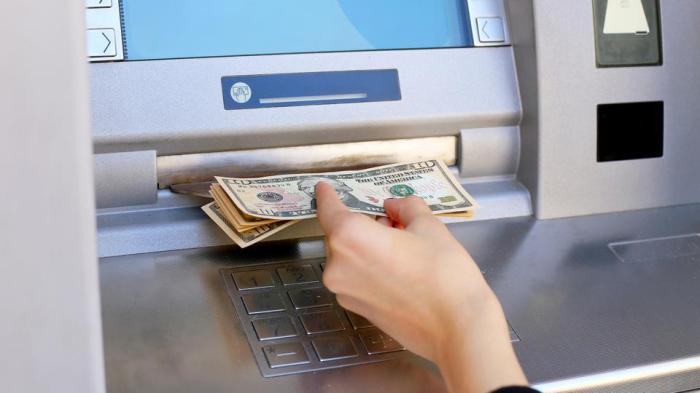
    Atm deposit deposits bank depositing debit model dignited revolves below

    Depositing cash at a bank generally involves visiting a physical branch, making it essential to prioritize personal safety and protect financial assets. Understanding potential risks and implementing appropriate security measures is crucial to ensure a smooth and secure transaction.

    Choosing a Safe Location and Time

    • Opt for well-lit and populated bank branches during regular business hours.
    • Avoid carrying large amounts of cash visibly, especially in crowded areas.
    • Park your vehicle in a secure location and be aware of your surroundings.

    Protecting Personal Information

    • Conceal your PIN when entering it at the ATM or teller window.
    • Avoid disclosing personal or financial information to strangers.
    • Report any lost or stolen bank cards immediately to prevent unauthorized access.

    Preventing Fraud

    • Be wary of individuals offering to help with cash deposits or unsolicited financial advice.
    • Check the authenticity of bank personnel by verifying their identification badges.
    • Inspect the ATM thoroughly for any suspicious devices or tampering.

    Troubleshooting Common Issues with Cash Deposits

    Encountering problems while depositing cash at the bank is not uncommon. Here’s a guide to help you identify and resolve common issues:

    Incorrect Amount Deposited

    • Verify the deposit slip carefully to ensure the amount entered matches the cash deposited.
    • Recount the cash and check for any missing or excess bills.
    • If the discrepancy persists, contact the bank immediately for assistance.

    Deposit Slip Errors

    • Ensure all required fields on the deposit slip are filled out accurately.
    • Double-check the account number and name to prevent funds from being deposited into the wrong account.
    • If an error is identified, request a new deposit slip from the bank.

    ATM Issues

    • Verify that the ATM is functioning correctly and accepts cash deposits.
    • Follow the instructions on the ATM screen carefully and insert the cash as directed.
    • If the ATM malfunctions or fails to recognize the cash, contact the bank’s customer support line.

    Rejected Deposits

    • Deposits may be rejected due to damaged or counterfeit bills.
    • Inspect the cash carefully and remove any suspicious or torn bills.
    • If the deposit is still rejected, contact the bank for further assistance.

    Bank Support, Depositing cash at bank

    If you encounter any unresolved issues, contact your bank’s customer support team for assistance. They can provide further guidance and resolve any outstanding problems.

    Alternative Options to Depositing Cash at Bank

    Depositing cash at bank

    In today’s digital era, there are numerous alternative methods to deposit cash without visiting a physical bank branch. These alternatives offer convenience, accessibility, and often faster processing times.

    Let’s explore the various alternative deposit options, their advantages, and factors to consider when choosing one.

    ATMs (Automated Teller Machines)

    • Advantages:ATMs provide 24/7 access, eliminating the need to visit a bank during business hours. They are widely available, making it easy to find one near you.
    • Disadvantages:Not all ATMs accept cash deposits. Some ATMs may have daily deposit limits, and some may charge fees for the service.

    Mobile Banking Apps

    • Advantages:Mobile banking apps allow you to deposit checks and cash remotely using your smartphone. They offer convenience and save you time by eliminating the need to go to a bank.
    • Disadvantages:Not all banks offer mobile check deposit features. Some apps may have deposit limits, and there may be security concerns to consider.

    Third-Party Services

    • Advantages:Third-party services like MoneyGram or Western Union allow you to deposit cash at participating retail locations, such as convenience stores or grocery stores. This can be convenient if you don’t have a bank account or prefer not to use ATMs or mobile banking.

    • Disadvantages:Third-party services typically charge fees for their services, which can vary depending on the amount you’re depositing and the service provider.

    Factors to Consider When Choosing an Alternative Deposit Method

    • Convenience:Consider the accessibility and availability of the deposit method. How easy is it to find a location where you can make a deposit?
    • Fees:Determine if there are any fees associated with the deposit method. Some ATMs or third-party services may charge a fee for their services.
    • Security:Ensure that the deposit method you choose is secure and protects your personal and financial information.
    • Deposit Limits:Be aware of any deposit limits imposed by the deposit method. Some ATMs or mobile banking apps may have daily or monthly deposit limits.

    Conclusion

    Whether you’re seeking to safeguard your funds, earn interest, or simply manage your finances efficiently, depositing cash at a bank remains a fundamental practice. By embracing the insights and strategies Artikeld in this guide, you can harness the benefits of this financial service while mitigating potential risks.

    FAQs

    What are the most common methods for depositing cash at a bank?

    The most common methods include teller deposits, ATM deposits, mobile banking deposits, and night depository services.

    What are the advantages of depositing cash at a bank?

    Depositing cash at a bank offers benefits such as protecting funds from theft or loss, earning interest, and facilitating convenient access to funds.

    What security measures should be taken when depositing cash at a bank?

    To ensure security, choose a well-lit and populated location, be aware of your surroundings, and protect your personal information from fraud.
  • Cash Checks Online Without Ingo: A Comprehensive Guide to Easy and Secure Banking

    Cash Checks Online Without Ingo: A Comprehensive Guide to Easy and Secure Banking

    Cash check online without ingo – In the era of digital banking, cashing checks online without Ingo has become a convenient and secure option for individuals and businesses alike. With just a few simple steps, you can deposit checks from the comfort of your own home or office, saving you time and effort.

    In this comprehensive guide, we’ll explore the security measures, steps involved, alternative platforms, and benefits and drawbacks of cashing checks online without Ingo.

    Whether you’re a frequent check recipient or an occasional user, this guide will provide you with the necessary knowledge and tools to navigate the world of online check cashing with confidence.

    Security Measures for Cashing Checks Online

    Cashing checks online offers convenience, but it’s crucial to prioritize security to safeguard your funds and personal information. Here are some key measures to ensure a secure online check-cashing experience:

    Using Reputable Platforms

    Only use established and reputable platforms for online check cashing. Look for companies with a proven track record, positive customer reviews, and industry certifications.

    SSL Encryption

    Check for the presence of SSL (Secure Socket Layer) encryption on the website. SSL encrypts your data, making it unreadable to unauthorized parties during transmission.

    Avoiding Scams

    Be wary of phishing emails or websites that mimic legitimate companies. Verify the authenticity of any communication or platform before providing personal or financial information.

    Protecting Personal Information

    Limit the personal information you provide to what is absolutely necessary for check cashing. Avoid sharing sensitive data such as Social Security numbers or bank account details with unverified sources.

    Multi-Factor Authentication

    Enable multi-factor authentication (MFA) whenever possible. MFA requires additional verification, such as a one-time code sent to your mobile device, to prevent unauthorized access to your account.

    Identity Verification

    Some platforms may require identity verification measures, such as uploading a photo ID or undergoing a video call. These steps help ensure that the person cashing the check is the rightful owner.

    Steps for Cashing a Check Online Without Ingo

    Cashing a check online without Ingo involves a straightforward process that can be completed in a few simple steps. By following these steps, you can quickly and conveniently access funds from your check without the need for a traditional bank visit.

    Taking a Clear Photo of the Check

    To ensure a successful check cashing process, it is crucial to take a clear and legible photo of the check. Place the check on a flat surface with good lighting. Use a high-quality camera or smartphone to capture the image.

    Ensure that all four corners of the check are visible, and the writing is sharp and readable. Avoid shadows or glare that may obscure important details.

    Approval Process and Receiving Funds

    Once you have submitted the photo of your check, it will undergo an approval process. The check will be reviewed for authenticity and validity. If approved, the funds will be deposited into your designated account within the specified time frame.

    You will receive a notification confirming the approval and deposit of funds.

    Alternative Platforms for Cashing Checks Online: Cash Check Online Without Ingo

    Cash check online without ingo

    Ingo is not the only platform that allows you to cash checks online. Several other reputable platforms offer convenient and reliable services, each with its own set of fees, processing times, and security measures.

    Popular Platforms, Cash check online without ingo

    • PayPal:A well-known online payment platform that offers check cashing services. Fees vary depending on the check amount, but typically range from 1% to 5%. Processing times can be as quick as one business day.
    • Cash App:A mobile payment app that allows users to cash checks through their smartphone. Fees are typically 1% to 3% of the check amount, and processing times are usually within one to two business days.
    • Check Cashing USA:A dedicated check cashing platform that offers a wide range of services, including online check cashing. Fees vary depending on the check amount and the selected service, but typically range from 2% to 8%. Processing times can be as quick as one business day.

    • Speedy Cash:A financial services company that offers online check cashing through its website and mobile app. Fees are typically 2% to 5% of the check amount, and processing times can vary depending on the verification process.

    Benefits and Drawbacks of Cashing Checks Online

    Cashing checks online offers both convenience and potential drawbacks.

    • Convenience:Cashing checks online is incredibly convenient, allowing you to access funds quickly and easily without having to visit a physical bank branch. This is especially beneficial for those who live far from a bank or have limited time.
    • Speed:Online check cashing services typically process checks much faster than traditional bank deposits, often providing access to funds within a few business days or even instantly.

      This can be crucial for individuals who need funds quickly for emergencies or other urgent expenses.

    • Accessibility:Online check cashing platforms are accessible 24/7, making it easy to cash checks at any time, regardless of your location. This is particularly advantageous for those who work irregular hours or travel frequently.

    However, it’s important to be aware of potential drawbacks as well:

    • Fees:Online check cashing services often charge fees for their services, which can vary depending on the platform and the amount of the check being cashed. These fees can range from a few dollars to a percentage of the check amount, so it’s essential to compare fees before selecting a service.

    • Security concerns:Cashing checks online involves sharing sensitive financial information, such as your bank account number and routing number. This can raise security concerns, as fraudulent activities and identity theft are possible risks. It’s crucial to choose reputable and secure platforms that employ robust security measures to protect your personal and financial data.

    Overall, cashing checks online offers convenience and speed, but it’s essential to weigh these benefits against potential fees and security concerns. By carefully considering these factors and choosing a reputable service, you can take advantage of the benefits of online check cashing while minimizing potential risks.

    Creating an Informative Guide

    Atm cashing withdrawing kiosk bankomatu novce atms hr

    Creating an informative guide on cashing checks online without Ingo requires a comprehensive approach. The guide should cover all aspects of the process, from understanding the requirements to selecting a reliable platform. It should be organized into clear sections for easy navigation, with step-by-step instructions, examples, and screenshots to illustrate the process.

    Guide Structure

    The guide should be structured into the following sections:

    1. Introduction: Provide an overview of cashing checks online without Ingo, including the benefits and drawbacks.
    2. Requirements: Explain the requirements for cashing checks online, such as a valid ID, a bank account, and a smartphone or computer with a camera.
    3. Step-by-Step Instructions: Provide detailed step-by-step instructions on how to cash a check online without Ingo, including how to choose a platform, create an account, and deposit the check.
    4. Security Measures: Discuss the security measures that should be taken when cashing checks online, such as using a secure platform, protecting personal information, and being aware of scams.
    5. Alternative Platforms: Provide a list of alternative platforms for cashing checks online without Ingo, including their features, fees, and customer reviews.
    6. Conclusion: Summarize the key points of the guide and provide additional resources for further information.

    Visual Aids

    Visual aids can enhance the guide’s effectiveness. Screenshots of the check-cashing process can help users understand the steps involved. Flowcharts can provide a visual representation of the decision-making process when choosing a platform. Tables can compare the features and fees of different platforms.

    Accuracy and Credibility

    The guide should be accurate and credible. Information should be sourced from reliable sources, such as government websites, financial institutions, and industry experts. Examples and case studies can help make the content more relatable and engaging.

    End of Discussion

    Cash check online without ingo

    Cashing checks online without Ingo offers a range of benefits, including convenience, speed, and security. By following the steps Artikeld in this guide and choosing a reputable platform, you can enjoy the ease and efficiency of digital banking while safeguarding your financial information.

    So, whether you’re looking to cash a single check or manage multiple checks on a regular basis, consider the options presented in this guide and make informed decisions about your online check cashing needs.

    Question Bank

    What are the security measures involved in cashing checks online without Ingo?

    Reputable platforms use SSL encryption to protect data during transmission. They also implement multi-factor authentication and identity verification to prevent unauthorized access.

    How do I take a clear photo of a check for online cashing?

    Place the check on a flat surface with good lighting. Ensure that all four corners of the check are visible and that the image is in focus.

    What are some alternative platforms to Ingo for cashing checks online?

    Popular alternatives include PayPal, Venmo, and Square Cash App. These platforms offer competitive fees, fast processing times, and robust security measures.

  • Cashing Checks with Ease: Mobile Check Cashing without Ingo

    Cashing Checks with Ease: Mobile Check Cashing without Ingo

    Mobile check cashing without Ingo has emerged as a game-changer, offering unparalleled convenience and efficiency. It empowers users to cash checks anytime, anywhere, without the hassle of visiting a physical bank or dealing with Ingo. Read on to discover the benefits, security measures, and innovative advancements that make mobile check cashing without Ingo the preferred choice for a seamless financial experience.

    This groundbreaking service streamlines the check-cashing process, eliminating the need for physical visits and long queues. With just a few taps on their smartphones, users can capture and deposit checks, saving valuable time and effort. Moreover, its accessibility extends to remote areas and odd hours, providing financial flexibility like never before.

    Mobile Check Cashing Convenience

    Cash bounce creditkarma

    Mobile check cashing offers an unparalleled level of convenience that simplifies the process of cashing checks. With just a few taps on your smartphone, you can deposit checks and access funds instantly, eliminating the need for visits to physical bank branches or check-cashing stores.

    Time-Saving Benefits

    Mobile check cashing significantly reduces the time it takes to cash checks. Instead of spending hours waiting in line at a bank or check-cashing store, you can deposit checks from the comfort of your home or office in just a matter of minutes.

    This convenience saves you valuable time that you can use for more important tasks.

    Accessibility and Flexibility

    Mobile check cashing offers unparalleled accessibility. You can deposit checks anytime, anywhere, as long as you have an internet connection. This flexibility allows you to cash checks even when traditional banking hours are inconvenient or when you are away from home.

    Whether you’re on the go, traveling, or working late, mobile check cashing provides you with the freedom to manage your finances on your own schedule.

    Security Measures: Mobile Check Cashing Without Ingo

    Mobile check cashing without ingo

    Mobile check cashing without Ingo implements robust security protocols to protect users from fraud and identity theft. Data encryption and authentication methods ensure the privacy and integrity of user information.

    Data Encryption

    Data encryption scrambles user data, making it unreadable to unauthorized parties. This safeguards sensitive information, such as account numbers and personal identification, during transmission and storage.

    Authentication Methods

    Authentication methods verify user identity before allowing access to the mobile check cashing service. This may include:

    • Multi-factor authentication: Requires multiple forms of identification, such as a password and a one-time code sent via SMS.
    • Biometric authentication: Uses unique physical characteristics, such as fingerprints or facial recognition, to confirm identity.

    Fees and Processing Times

    Mobile check cashing without ingo

    Mobile check cashing without Ingo often involves fees and processing times that vary depending on the service provider. Understanding these aspects is crucial to make informed decisions about the best option for your needs.

    Fees associated with mobile check cashing typically include a flat fee, a percentage-based fee, or a combination of both. The flat fee is a fixed amount charged regardless of the check amount, while the percentage-based fee is a certain percentage of the check amount.

    Factors Influencing Processing Times

    Processing times for mobile check cashing can vary based on several factors, including the time of day, the amount of the check, and the service provider’s policies.

    • Time of Day:Check cashing requests submitted during business hours are generally processed faster than those submitted outside of business hours.
    • Check Amount:Larger check amounts may require additional verification and take longer to process.
    • Service Provider’s Policies:Different service providers have their own policies regarding processing times, which can impact the speed at which your check is cashed.

    Potential Hidden Costs and Delays

    In addition to the standard fees, there may be potential hidden costs or delays to consider:

    • Insufficient Funds:If the check you deposit does not have sufficient funds, you may incur a penalty fee.
    • Fraudulent Checks:If the check you deposit is fraudulent, the funds may be reversed, and you may lose the amount you deposited.
    • Technical Issues:Occasionally, technical issues can cause delays in processing your check.

    Comparison to Traditional Methods

    Mobile check cashing without Ingo offers a modern and efficient alternative to traditional methods of cashing checks. In this section, we will compare mobile check cashing to traditional methods, highlighting the advantages and disadvantages of each approach.

    Traditional methods of check cashing typically involve visiting a physical location, such as a bank or check-cashing store. While these methods have been widely used for many years, they come with certain limitations, including restricted hours of operation, geographical constraints, and potential security risks.

    Advantages of Mobile Check Cashing

    • Convenience:Mobile check cashing eliminates the need to visit a physical location. You can cash checks anytime, anywhere, as long as you have an internet connection and a compatible mobile device.
    • Speed:Mobile check cashing is typically faster than traditional methods. Once you deposit a check using a mobile app, the funds are usually available within minutes or hours, depending on the app and your bank’s processing times.
    • Security:Mobile check cashing apps use advanced security measures to protect your personal and financial information. These measures include encryption, fraud detection, and identity verification.
    • Accessibility:Mobile check cashing is accessible to anyone with a compatible mobile device and an internet connection. This makes it a convenient option for people who may not have easy access to traditional banking services.

    Disadvantages of Traditional Check Cashing

    • Inconvenience:Traditional check cashing requires you to visit a physical location during business hours. This can be inconvenient, especially if you have a busy schedule or live in an area with limited access to banking services.
    • Fees:Traditional check cashing often comes with fees, which can vary depending on the institution and the amount of the check. These fees can reduce the amount of money you receive from your check.
    • Security risks:Cashing checks in person can involve security risks, such as the potential for fraud, theft, or robbery.
    • Limited accessibility:Traditional check cashing is only available during business hours and at specific locations. This can be a challenge for people who work irregular hours or live in remote areas.

    Overall, mobile check cashing without Ingo offers a more efficient, convenient, and secure alternative to traditional check cashing methods. It eliminates the need to visit a physical location, provides faster access to funds, and offers robust security measures to protect your personal and financial information.

    Industry Trends and Innovations

    The mobile check cashing industry is constantly evolving, with new technologies and features being introduced all the time. These advancements are making it easier and more convenient for users to cash checks on their mobile devices.

    One of the most significant trends in mobile check cashing is the increasing use of artificial intelligence (AI). AI-powered apps can automate many of the tasks involved in check cashing, such as image capture and verification. This makes the process faster and more accurate, and it reduces the risk of fraud.

    Security Enhancements

    Another important trend is the development of new security measures to protect users from fraud. These measures include facial recognition, fingerprint scanning, and voice recognition. By using these technologies, mobile check cashing apps can verify the identity of users and prevent unauthorized access to their accounts.

    Expansion of Services, Mobile check cashing without ingo

    In addition to traditional check cashing services, many mobile check cashing apps now offer a range of other financial services, such as bill pay, money transfers, and direct deposit. This makes it easier for users to manage their finances in one place.

    Closing Summary

    In conclusion, mobile check cashing without Ingo has revolutionized the way we handle our finances. Its convenience, security, and affordability make it an indispensable tool for individuals and businesses alike. As technology continues to advance, we can expect even more innovative features and enhancements that will further enhance the user experience and make financial management effortless.

    FAQ Resource

    What are the fees associated with mobile check cashing without Ingo?

    Fees vary depending on the provider and the amount of the check being cashed. However, many providers offer competitive rates and transparent fee structures.

    Is mobile check cashing without Ingo secure?

    Yes, reputable providers employ robust security measures such as data encryption, authentication methods, and fraud detection systems to protect user information and prevent unauthorized access.

    How long does it take to process a mobile check cashing without Ingo?

    Processing times vary depending on the provider and the amount of the check. However, many providers offer expedited processing options for a small fee.

  • Get Business Insurance: A Comprehensive Guide to Protect Your Enterprise

    Get Business Insurance: A Comprehensive Guide to Protect Your Enterprise

    In today’s uncertain business landscape, safeguarding your enterprise against unforeseen events is paramount. Get business insurance, a vital tool that empowers you to navigate challenges and secure your financial well-being. Embark on this comprehensive guide as we delve into the types, importance, and intricacies of business insurance, equipping you with the knowledge to make informed decisions that protect your company’s future.

    From understanding the different types of insurance available to navigating the complexities of insurance policies, we’ll guide you through every step of the process. Learn how to assess your risks, choose the right coverage, and manage your insurance effectively. By investing in business insurance, you’re not just protecting your assets; you’re investing in the resilience and longevity of your enterprise.

    Types of Business Insurance

    Reasons important

    Business insurance provides financial protection against risks and uncertainties that can threaten the stability and continuity of a business. There are various types of business insurance available, each designed to address specific areas of risk.

    Property Insurance

    Property insurance protects a business’s physical assets, such as buildings, equipment, inventory, and other tangible property, from damage or loss due to events like fire, theft, vandalism, or natural disasters.

    Liability Insurance

    Liability insurance protects a business from legal claims and financial liability arising from injuries or damages caused to third parties, including customers, employees, or the general public. Common types of liability insurance include general liability, professional liability, and product liability.

    Workers’ Compensation Insurance

    Workers’ compensation insurance provides benefits to employees who suffer work-related injuries or illnesses, regardless of fault. It covers medical expenses, lost wages, and other benefits as mandated by law.

    Professional Liability Insurance

    Professional liability insurance, also known as errors and omissions (E&O) insurance, protects professionals and businesses from claims of negligence or breach of duty in providing services or advice. It covers financial losses and legal expenses resulting from errors, omissions, or mistakes.

    Importance of Business Insurance

    Get business insurance

    Business insurance is a critical safeguard against unexpected events that can jeopardize the financial stability of your enterprise. It provides a safety net, protecting your business from potential losses and liabilities, ensuring its longevity and growth.

    Numerous case studies demonstrate the profound impact of business insurance. For instance, a small restaurant in a coastal area was devastated by a hurricane. However, thanks to its comprehensive insurance policy, the restaurant was able to quickly rebuild and reopen, minimizing business interruption and financial losses.

    Legal Requirements

    In many jurisdictions, certain types of business insurance are legally required. For example, most states in the United States mandate workers’ compensation insurance to protect employees in case of work-related injuries or illnesses.

    Failure to comply with legal insurance requirements can result in penalties, fines, and even criminal charges. Therefore, it is crucial to understand the insurance laws and regulations applicable to your business and ensure compliance.

    Factors to Consider When Choosing Business Insurance

    Choosing the right business insurance policy is crucial for protecting your company from potential risks. Several factors should be considered to ensure you have adequate coverage for your specific needs. These include industry, size, location, and potential risks.

    Industry

    The type of industry you operate in can significantly impact your insurance needs. Different industries have unique risks, such as construction, healthcare, or manufacturing. Understanding the specific risks associated with your industry is essential for choosing a policy that provides tailored coverage.

    Size

    The size of your business is another important factor to consider. Larger businesses typically have more employees, inventory, and revenue, which can increase their exposure to risks. The number of employees, annual revenue, and assets should be taken into account when determining the appropriate level of coverage.

    Location

    The location of your business can also affect your insurance needs. Factors such as crime rates, natural disasters, and weather conditions can vary significantly from one location to another. It is important to assess the potential risks associated with your business’s location and choose a policy that provides coverage for these specific risks.

    Potential Risks

    Identifying the potential risks your business faces is crucial for choosing the right insurance policy. These risks can include property damage, liability, business interruption, and cyber attacks. By thoroughly assessing your potential risks, you can determine which types of coverage are necessary to protect your business.

    Tips for Choosing Business Insurance

    • Assess your insurance needs:Determine the specific risks your business faces and the level of coverage required to mitigate those risks.
    • Compare different policies:Obtain quotes from multiple insurance providers to compare coverage, premiums, and deductibles.
    • Work with an insurance broker or agent:An insurance professional can provide guidance, help you understand your options, and negotiate the best coverage for your needs.

    Understanding Business Insurance Policies

    Navigating the intricacies of business insurance policies can be daunting, but it’s essential to understand the key components to ensure adequate coverage for your business.

    A business insurance policy typically consists of several sections that Artikel the terms and conditions of coverage. Let’s break down the key elements:

    Coverage Limits

    Coverage limits define the maximum amount the insurer will pay for covered losses. These limits vary depending on the type of coverage and the specific policy. For example, a commercial property insurance policy may have a coverage limit of $1 million for building damage.

    Deductibles

    A deductible is the amount the policyholder pays out of pocket before the insurance coverage kicks in. Deductibles can be flat amounts or percentages of the coverage limit. A higher deductible typically lowers the premium, while a lower deductible results in higher premiums.

    Exclusions, Get business insurance

    Exclusions are specific circumstances or events that are not covered by the policy. It’s crucial to carefully review the exclusions to avoid unexpected coverage gaps. For instance, a business interruption insurance policy may exclude losses due to natural disasters.

    Interpreting an Insurance Policy

    Understanding the language used in insurance policies can be challenging. Here are some tips for interpreting different sections:

    • Declarations Page:Provides basic information about the policy, including the policyholder, coverage period, and premiums.
    • Coverage Section:Artikels the specific risks and events that are covered by the policy.
    • Exclusions Section:Lists the circumstances or events that are not covered by the policy.
    • Conditions Section:Specifies the terms and conditions that apply to the policy, such as duties of the policyholder and the insurer.

    Managing Business Insurance

    Regularly reviewing and updating business insurance policies is crucial for ensuring that your coverage remains adequate and aligned with the evolving risks faced by your business. As your business grows and changes, so too should your insurance policies. An annual review is a good starting point, but you may need to update your policies more frequently if there are significant changes to your operations or the industry landscape.

    Reducing Insurance Premiums

    Implementing safety measures and risk management programs can help reduce the likelihood of claims, which can lead to lower insurance premiums. Some common risk management strategies include:

    • Establishing and maintaining a safety program
    • Conducting regular safety inspections
    • Providing employee training on safety procedures
    • Developing an emergency response plan

    Filing Claims and Working with Insurance Companies

    If you need to file a claim, it’s important to do so promptly. The sooner you file a claim, the sooner you can start the recovery process. Here are some tips for filing a claim:

    • Contact your insurance company as soon as possible after the incident.
    • Provide a detailed description of the incident, including the date, time, and location.
    • Submit all relevant documentation, such as police reports, medical records, and invoices.

    Once you have filed a claim, your insurance company will assign an adjuster to investigate the claim and determine the amount of coverage you are entitled to. It’s important to cooperate with the adjuster and provide all requested information. The adjuster will also likely inspect the damaged property or interview witnesses.

    If you have any questions or concerns about your business insurance policy, don’t hesitate to contact your insurance company. They can help you understand your coverage and ensure that you are adequately protected.

    Closing Summary

    Get business insurance

    In the ever-changing business environment, having a robust insurance plan is not just an option but a necessity. By understanding the types of business insurance available, the importance of having adequate coverage, and the factors to consider when choosing a policy, you can tailor an insurance solution that meets the unique needs of your enterprise.

    Remember, business insurance is not a cost but an investment in your company’s future, providing peace of mind and protecting your financial well-being. Embrace the power of business insurance and empower your enterprise to thrive in the face of uncertainty.

    FAQ Compilation: Get Business Insurance

    What are the most common types of business insurance?

    The most common types of business insurance include property insurance, liability insurance, workers’ compensation insurance, and professional liability insurance.

    Why is it important to have business insurance?

    Business insurance protects your company from financial losses due to unexpected events such as property damage, lawsuits, or employee injuries.

    How do I choose the right business insurance policy?

    To choose the right business insurance policy, consider your industry, size, location, and potential risks. It’s also helpful to work with an insurance broker or agent.

    What are the key components of a business insurance policy?

    The key components of a business insurance policy include coverage limits, deductibles, and exclusions.

    How can I reduce my business insurance premiums?

    You can reduce your business insurance premiums by implementing safety measures, risk management programs, and maintaining a good claims history.

  • Small Business Insurance Contractors: A Guide to Coverage and Protection

    Small Business Insurance Contractors: A Guide to Coverage and Protection

    Small business insurance contractors play a vital role in safeguarding businesses from unexpected risks and financial losses. This comprehensive guide delves into the intricacies of insurance coverage options, empowering contractors to tailor policies that align with their specific needs and ensure their business’s resilience.

    Navigating the insurance landscape can be daunting, but this guide provides a clear roadmap for assessing coverage limits, comparing providers, and understanding policy language. By embracing the insights and strategies Artikeld here, small business insurance contractors can confidently manage risks and secure their path to success.

    Insurance Coverage Options

    Small business insurance contractor

    Small business contractors face unique risks that require specialized insurance coverage. Understanding the various types of insurance available is crucial to protect your business and mitigate potential financial losses.

    Tailoring your insurance coverage to your specific business needs is essential. Consider the size of your business, the types of projects you undertake, and the potential risks involved. A comprehensive insurance plan should provide peace of mind and ensure your business can continue to operate smoothly in the event of an unforeseen incident.

    General Liability Insurance

    Protects against claims of bodily injury, property damage, or personal injury caused by your business operations. Common risks covered include:

    • Customer slips and falls on your premises
    • Damage to a client’s property during a project
    • Libel or slander claims

    Property Insurance

    Covers damage or loss to your business property, including buildings, equipment, inventory, and tools. Common risks covered include:

    • Fire or explosion
    • Theft or vandalism
    • Natural disasters

    Workers’ Compensation Insurance, Small business insurance contractor

    Provides coverage for employees who suffer injuries or illnesses on the job. Common risks covered include:

    • Medical expenses
    • Lost wages
    • Disability benefits

    Commercial Auto Insurance

    Protects against liability and damages caused by vehicles used for business purposes. Common risks covered include:

    • Collisions
    • Bodily injury to others
    • Property damage

    Professional Liability Insurance

    Covers claims against professionals for errors or omissions in their work. Common risks covered include:

    • Malpractice
    • Negligence
    • Breach of contract

    Determining Coverage Limits and Deductibles

    Small business insurance contractor

    Determining appropriate coverage limits and deductibles is crucial for small business insurance contractors. By carefully assessing your insurance needs, you can tailor a policy that provides optimal protection without breaking the bank.

    Insurance coverage limits define the maximum amount your insurer will pay for covered losses. Higher limits offer more comprehensive coverage, but they also come with higher premiums. Conversely, lower limits may result in insufficient coverage in the event of a major loss.

    Setting Coverage Limits

    Consider the following factors when setting coverage limits:

    • Business Value:Determine the replacement cost of your equipment, inventory, and property.
    • Potential Liability:Assess the potential financial impact of lawsuits or claims against your business.
    • Industry Standards:Research industry benchmarks and consult with your insurance agent to determine recommended coverage limits.

    Selecting Deductibles

    Deductibles represent the amount you pay out-of-pocket before your insurance coverage kicks in. Higher deductibles lower your premiums, but they also increase your financial risk in the event of a claim.

    • Balancing Affordability and Coverage:Determine a deductible that strikes a balance between affordability and adequate coverage. Consider your financial situation and the likelihood of filing claims.
    • Consider Multiple Deductibles:Some policies allow you to set different deductibles for different coverages, providing flexibility and cost savings.
    • Remember Out-of-Pocket Expenses:In addition to the deductible, you may also be responsible for other out-of-pocket expenses, such as attorney fees or appraisal costs.

    Comparing Insurance Providers

    Selecting the right insurance provider for your small business is crucial to ensure adequate protection and financial stability. Comparing different providers empowers you to find the best fit for your coverage needs, premiums, and customer service.

    Consider these key factors when comparing providers:

    Coverage

    • Review the coverage options provided by each insurer and ensure they align with your business’s specific risks.
    • Check for any exclusions or limitations that may restrict coverage.
    • Consider the financial strength and reputation of the insurer to ensure they can fulfill their obligations in the event of a claim.

    Premiums

    • Compare the premiums charged by different providers for similar coverage levels.
    • Inquire about discounts and incentives that may reduce your premiums, such as bundling policies or implementing safety measures.
    • Consider the long-term cost of insurance, including potential premium increases and deductibles.

    Customer Service

    • Research the reputation of each insurer for providing responsive and helpful customer service.
    • Check for online reviews or testimonials from other businesses.
    • Contact the insurers directly to inquire about their claims process and availability of support.

    To obtain quotes and evaluate proposals, follow these tips:

    • Provide accurate and complete information about your business to ensure accurate quotes.
    • Compare multiple quotes from different providers to get a comprehensive view of the market.
    • Review the proposals carefully, paying attention to the coverage details, premiums, and deductibles.
    • Consider seeking professional advice from an insurance broker or agent to guide you through the process.

    Understanding Insurance Policy Language

    Seguros sector assurances vertalingen traducciones traductions

    Insurance policies are legal contracts that Artikel the coverage provided by the insurer. Understanding the language used in these policies is crucial to ensure you have the proper coverage for your business.Key terms and concepts used in insurance policies include:

    • Policyholder:The individual or business that purchases the insurance policy.
    • Insurer:The insurance company that provides the coverage.
    • Premium:The amount paid by the policyholder to the insurer for the coverage.
    • Deductible:The amount the policyholder must pay out-of-pocket before the insurer begins to pay for covered losses.
    • Coverage limits:The maximum amount the insurer will pay for covered losses.

    Common policy provisions include:

    • Exclusions:Specific types of losses or situations that are not covered by the policy.
    • Conditions:Requirements that must be met by the policyholder to maintain coverage.
    • Endorsements:Amendments to the policy that add or modify coverage.

    It is important to understand the policy language to ensure proper coverage. If you have any questions about your policy, consult with your insurance agent or an attorney.

    Managing Insurance Claims: Small Business Insurance Contractor

    Filing and managing insurance claims can be a complex process, but it’s essential for contractors to understand their rights and responsibilities. By following these steps, contractors can ensure that their claims are processed efficiently and that they receive the compensation they deserve.

    Documentation Required

    When filing a claim, contractors will need to provide the insurance company with the following documentation:

    • A detailed description of the loss or damage.
    • Photographs or videos of the damage.
    • Estimates for repairs or replacements.
    • Proof of ownership of the damaged property.
    • Any other documentation that may be relevant to the claim.

    Steps to Follow

    Once the necessary documentation has been gathered, contractors should follow these steps to file a claim:

    1. Contact the insurance company and report the loss or damage.
    2. Provide the insurance company with the required documentation.
    3. Cooperate with the insurance company’s investigation.
    4. Review the insurance company’s settlement offer.
    5. Negotiate with the insurance company if necessary.
    6. Accept the settlement offer or file a lawsuit if necessary.

    Common Challenges

    Contractors may face a number of challenges when filing and managing insurance claims. Some of the most common challenges include:

    • Denial of coverage.
    • Underpayment of claims.
    • Delays in processing claims.
    • Fraudulent claims.

    Contractors can overcome these challenges by:

    • Understanding their insurance policies.
    • Working with a reputable insurance company.
    • Documenting their losses carefully.
    • Being prepared to negotiate with the insurance company.

    By following these tips, contractors can increase their chances of getting their insurance claims approved and receiving the compensation they deserve.

    Wrap-Up

    In the ever-changing business environment, having a solid understanding of insurance coverage is paramount for small business insurance contractors. This guide has provided a comprehensive overview of the key aspects to consider when selecting and managing insurance policies. By leveraging the information presented here, contractors can make informed decisions that protect their businesses and foster their growth.

    Question & Answer Hub

    What types of insurance coverage are essential for small business contractors?

    General liability insurance, property insurance, and workers’ compensation insurance are fundamental coverage options for small business contractors.

    How can I determine the appropriate coverage limits for my business?

    Assess your business’s potential risks, consider industry standards, and consult with an insurance professional to establish suitable coverage limits.

    What factors should I consider when comparing insurance providers?

    Coverage options, premiums, customer service, and financial stability are key factors to evaluate when comparing insurance providers.

    Why is it important to understand insurance policy language?

    Understanding policy language ensures that you fully comprehend the coverage provided, exclusions, and your obligations as the policyholder.

  • Cash App Early Direct Deposit: Get Your Money Sooner

    Cash App Early Direct Deposit: Get Your Money Sooner

    Cash app early direct deposit – With Cash App’s early direct deposit feature, you can bid farewell to the agonizing wait for payday. This revolutionary service puts your hard-earned money in your pocket up to two days faster, empowering you with unparalleled financial flexibility and peace of mind.

    Prepare to dive into a comprehensive exploration of Cash App’s early direct deposit, where we’ll unravel its benefits, eligibility criteria, and potential risks. We’ll also guide you through the seamless setup process and compare it to other early direct deposit services.

    Get ready to unlock the secrets of financial freedom with Cash App.

    Benefits of Cash App Early Direct Deposit

    Cash app early direct deposit

    Cash App’s Early Direct Deposit feature offers a host of benefits that can significantly enhance your financial experience.

    One of the most notable advantages is the convenience it provides. With Early Direct Deposit, you can receive your paycheck or government benefits up to two days earlier than the standard processing time. This means no more waiting around for funds to clear, allowing you to access your money sooner.

    Time-Saving Advantages

    • Eliminates the need to wait for standard processing times, saving you valuable time.
    • Provides immediate access to funds, enabling you to make purchases or pay bills promptly.
    • Reduces the stress associated with waiting for funds to become available.

    Financial Benefits

    • Provides access to funds sooner, allowing you to manage your finances more effectively.
    • Reduces the risk of overdraft fees by ensuring timely access to funds.
    • Provides a buffer for unexpected expenses or emergencies.

    Eligibility and Requirements for Early Direct Deposit: Cash App Early Direct Deposit

    Cash app early direct deposit

    Cash App’s early direct deposit feature is available to eligible Cash App users who meet certain requirements. To qualify, you must have a qualifying bank account linked to your Cash App account and meet specific income thresholds.

    Eligibility Criteria

    To be eligible for early direct deposit, you must:

    • Have a qualifying bank account linked to your Cash App account.
    • Meet specific income thresholds set by Cash App.

    Activation Process

    Once you meet the eligibility criteria, you can activate the early direct deposit feature by following these steps:

    1. Open the Cash App on your mobile device.
    2. Tap the “Banking” tab.
    3. Tap the “Direct Deposit” option.
    4. Follow the on-screen instructions to link your bank account and activate the early direct deposit feature.

    Comparison with Other Early Direct Deposit Services

    Cash App’s early direct deposit service stands out in the market, offering competitive advantages over similar services from other providers. Let’s delve into a detailed comparison to highlight the key differences and help you make an informed decision.

    Eligibility Requirements

    Cash App boasts a straightforward eligibility process. With a valid bank account and Social Security number, you can easily sign up for the service. In contrast, some other providers may impose additional requirements, such as a minimum account balance or direct deposit frequency.

    Deposit Times

    Cash App delivers funds up to two days earlier than your scheduled payday. This feature provides a significant advantage, allowing you to access your hard-earned money sooner. Other services may offer varying deposit times, ranging from a few hours to a day earlier.

    Fees, Cash app early direct deposit

    Cash App’s early direct deposit service is absolutely free. You can enjoy the convenience of receiving your paycheck early without incurring any additional charges. However, some other providers may charge a fee for this service, typically ranging from a few dollars to a percentage of the deposited amount.

    Advantages of Cash App

    • No fees for early direct deposit
    • Fast and reliable deposit times
    • Easy eligibility requirements

    Disadvantages of Cash App

    • Limited availability to certain banks
    • No physical branches for in-person support

    Advantages of Other Services

    • May offer earlier deposit times (within hours)
    • Wider availability across various banks
    • Some services provide additional financial services, such as budgeting tools or savings accounts

    Disadvantages of Other Services

    • May charge fees for early direct deposit
    • Slower deposit times compared to Cash App
    • Stricter eligibility requirements

    Potential Risks and Considerations

    While early direct deposit offers convenience and flexibility, it also comes with potential risks that users should be aware of.

    One of the primary concerns is the risk of overdraft fees. If the funds from your direct deposit are not available immediately, you may incur overdraft fees if you attempt to make purchases or withdrawals that exceed your current balance.

    It is essential to carefully manage your finances and plan accordingly to avoid this pitfall.

    Financial Planning and Managing Expectations

    To minimize risks associated with early direct deposit, financial planning and managing expectations are crucial. By understanding the potential delays in fund availability and budgeting accordingly, you can avoid overdraft fees and other financial setbacks.

    It is also important to note that early direct deposit services may have specific terms and conditions that can vary between providers. Carefully reviewing these terms and conditions before enrolling in an early direct deposit service is essential to ensure that you are aware of any potential risks or limitations.

    Tips for Avoiding Financial Pitfalls

    • Monitor your account balance regularly:Keep track of your account balance to avoid overdrafts.
    • Set up overdraft protection:Consider setting up overdraft protection with your bank to minimize the risk of overdraft fees.
    • Use budgeting tools:Utilize budgeting tools or apps to track your income and expenses, ensuring that you have sufficient funds available before making purchases.
    • Plan for potential delays:Be aware of the potential delays in fund availability and plan accordingly to avoid financial disruptions.
    • Consider alternative early direct deposit options:Explore alternative early direct deposit services that offer more flexible terms or faster fund availability.

    How to Use Cash App for Early Direct Deposit

    Cash App makes it easy to receive your paycheck up to two days earlier with its Early Direct Deposit feature. Here’s a step-by-step guide to help you get started:

    Linking Your Bank Account

    Before you can set up Early Direct Deposit, you’ll need to link your bank account to your Cash App account. To do this:

    • Open the Cash App and tap the “Banking” tab.
    • Select “Add Bank” and follow the prompts to connect your bank account.

    Setting Up Early Direct Deposit

    Once your bank account is linked, you can set up Early Direct Deposit by following these steps:

    • Tap the “Banking” tab again.
    • Scroll down and select “Early Direct Deposit.”
    • Follow the on-screen instructions to set up the feature.

    Receiving Early Deposits

    Once you’ve set up Early Direct Deposit, you’ll start receiving your paycheck up to two days earlier. The funds will be deposited directly into your Cash App balance, and you can access them immediately.

    Troubleshooting Tips

    If you’re having issues with Early Direct Deposit, try the following troubleshooting tips:

    • Ensure that your bank account is linked correctly.
    • Check that your employer supports Early Direct Deposit.
    • Contact Cash App support for assistance.

    Conclusion

    Cash deposit

    Cash App’s early direct deposit is a game-changer for those seeking financial agility. Whether you’re planning ahead or simply want to avoid the stress of late payments, this service empowers you to take control of your finances and live life on your terms.

    Embrace the convenience, save time, and experience the financial freedom that comes with getting your money sooner.

    Question & Answer Hub

    Is there a fee for using Cash App’s early direct deposit feature?

    No, Cash App does not charge any fees for using its early direct deposit service.

    How long does it take to set up early direct deposit with Cash App?

    Setting up early direct deposit with Cash App is quick and easy. Once you link your qualifying bank account, you can typically receive your deposits up to two days sooner.

    What are the eligibility requirements for early direct deposit with Cash App?

    To be eligible for early direct deposit with Cash App, you must have a qualifying bank account and meet certain income thresholds. Check Cash App’s website for specific requirements.

  • Chase Cash Deposit: A Comprehensive Guide to Making Cash Deposits Safely and Conveniently

    Chase Cash Deposit: A Comprehensive Guide to Making Cash Deposits Safely and Conveniently

    Discover the world of Chase cash deposit, a secure and convenient way to manage your finances. Whether you’re a seasoned Chase customer or new to the banking experience, this comprehensive guide will empower you with the knowledge and insights to make cash deposits with ease and confidence.

    From understanding the various deposit methods to navigating fees and limits, we’ll delve into every aspect of Chase cash deposit. So, sit back, relax, and let’s embark on a journey to financial freedom.

    Types of Chase Cash Deposits

    Chase cash deposit

    Chase Bank offers several convenient methods for customers to make cash deposits, each with its own advantages and disadvantages. These methods include ATMs, branch locations, and mobile banking.

    ATMs, Chase cash deposit

    ATMs are widely available and offer a quick and easy way to deposit cash. Customers can simply insert their debit card or ATM card into the machine and follow the on-screen instructions. ATMs typically accept bills in denominations of $1, $5, $10, $20, $50, and $100. However, some ATMs may have limitations on the amount of cash that can be deposited per transaction or per day.

    Branches

    Customers can also make cash deposits at any Chase branch location during regular business hours. This method is ideal for larger deposits or for customers who prefer to interact with a bank representative in person. To make a deposit at a branch, customers will need to present their account number and a valid form of identification.

    Mobile Banking

    Chase customers can also deposit cash using the bank’s mobile banking app. This method is available 24/7 and allows customers to deposit checks and cash from anywhere with an internet connection. To use mobile banking for cash deposits, customers will need to have a compatible smartphone or tablet and the Chase mobile banking app installed.

    They will also need to have their account number and a valid form of identification on hand.

    Eligibility and Requirements

    To be eligible for making cash deposits at Chase Bank, you must meet certain criteria and provide necessary requirements.

    Firstly, you must have an active Chase Bank account. This can be a checking, savings, or money market account. Secondly, you must have a valid government-issued identification card, such as a driver’s license, passport, or military ID. Additionally, there are minimum and maximum deposit amounts that may vary depending on your account type and the specific Chase Bank branch you visit.

    Verifying Eligibility

    To verify your eligibility, you can visit your local Chase Bank branch and speak with a customer service representative. They will review your account information and identification to determine if you meet the eligibility criteria. You can also call Chase Bank’s customer service line at 1-800-935-9935 to inquire about eligibility and any additional requirements.

    Fees and Limits: Chase Cash Deposit

    Chase deposit bank direct set account wondering opened recently going ve re if

    When making cash deposits at Chase Bank, it’s important to be aware of the associated fees and limits. These can vary depending on the deposit method you choose.

    Deposit Fees

    • Over-the-counter deposits:Free for Chase customers. Non-customers may be charged a fee of up to $4.95 per deposit.
    • ATM deposits:Free for Chase customers using Chase ATMs. Non-customers may be charged a fee of up to $2.50 per deposit.
    • Mobile deposits:Free for all Chase customers using the Chase Mobile app.

    Deposit Limits

    Chase Bank also has limits on the amount of cash you can deposit per day, per month, and per year. These limits vary depending on your account type and banking history. For example, the daily deposit limit for basic checking accounts is $5,000, while the monthly limit is $10,000.

    If you need to deposit more than the allowed limit, you may be able to request a temporary increase from Chase Bank. However, this is not guaranteed and may be subject to additional fees.

    Security Measures

    Chase Bank employs robust security measures to protect cash deposits and prevent fraud and money laundering.

    These measures include:

    Anti-Fraud Protocols

    • Real-time fraud monitoring:Chase’s systems monitor all cash deposits for suspicious activity, such as large or unusual deposits.
    • Identity verification:Customers are required to provide identification when making a cash deposit, and their identity is verified against Chase’s records.
    • Secure deposit boxes:Chase branches have secure deposit boxes that customers can use to deposit cash without interacting with a teller.

    Anti-Money Laundering Protocols

    • Transaction reporting:Chase reports all cash deposits over a certain threshold to the government.
    • Know Your Customer (KYC) procedures:Chase collects information about its customers to help identify and prevent money laundering.
    • Employee training:Chase employees are trained to recognize and report suspicious activity.

    Tips for Customers

    Customers can help protect their cash deposits by following these tips:

    • Deposit cash promptly:Do not hold on to large amounts of cash for extended periods.
    • Be aware of your surroundings:When making a cash deposit, be aware of your surroundings and be cautious of anyone following you.
    • Use a secure deposit box:If available, use a secure deposit box to deposit cash without interacting with a teller.
    • Report any suspicious activity:If you notice any suspicious activity related to your cash deposits, report it to Chase immediately.

    Troubleshooting and Support

    Should you encounter any difficulties during cash deposits, this section provides troubleshooting guidance and contact information for assistance.

    If you are unable to resolve the issue independently, you can reach out to our dedicated customer support team for further assistance.

    Contact Information

    • Phone: 1-800-935-9935
    • Online Support: Visit our website’s support page for live chat or email assistance.
    • In-Branch Support: Visit your nearest Chase branch for personalized assistance.

    Troubleshooting Flowchart

    Follow these steps to resolve common deposit-related problems:

    1. Verify account information:Ensure you are depositing into the correct account and that the account is active.
    2. Check deposit amount:Confirm that the amount you are depositing matches the amount indicated on the deposit slip.
    3. Inspect cash quality:Ensure the bills are not torn, damaged, or excessively wrinkled.
    4. Follow deposit instructions:Carefully follow the instructions on the deposit slip and insert the cash securely into the ATM or teller.
    5. Obtain a receipt:Always keep the receipt as proof of your deposit.

    If the issue persists, please contact customer support for further assistance.

    Ultimate Conclusion

    Chase cash deposit

    As we conclude our exploration of Chase cash deposit, remember that financial security is paramount. By following the tips and guidelines Artikeld in this guide, you can safeguard your deposits and enjoy peace of mind. Embrace the convenience and efficiency of Chase cash deposit, and take control of your finances today.

    FAQ Guide

    Can I make cash deposits at any Chase branch?

    Yes, you can make cash deposits at any Chase branch during regular business hours.

    Are there any fees associated with Chase cash deposits?

    There may be fees associated with cash deposits, depending on the deposit method used. Please refer to the fee schedule provided by Chase Bank for more details.

    What are the security measures in place to protect my cash deposits?

    Chase Bank employs robust security measures, including anti-fraud and anti-money laundering protocols, to safeguard your cash deposits.

  • Small Business Health Insurance Plans: Empowering Your Workforce and Driving Success

    Small Business Health Insurance Plans: Empowering Your Workforce and Driving Success

    Unveiling the world of group health insurance plans for small businesses, we embark on a journey to explore the benefits, types, selection process, and management strategies that can revolutionize employee well-being and business prosperity. Dive into a tapestry of insights, woven with real-life case studies and success stories, showcasing the transformative power of health insurance in shaping the future of small businesses.

    Benefits and Advantages

    Group health insurance plans for small business

    Group health insurance plans offer numerous advantages to small businesses. They provide a competitive edge in attracting and retaining valuable employees, ensuring access to quality healthcare coverage.

    These plans bring substantial cost savings and tax benefits. Employers can leverage group discounts, spreading the risk across a larger pool of participants, leading to lower premiums.

    Tax Benefits

    • Premiums paid by employers are tax-deductible, reducing the overall cost of providing coverage.
    • Employees do not pay taxes on the value of their employer-sponsored health insurance, resulting in significant savings.

    Cost-Saving Advantages

    • Group plans offer access to bulk discounts, negotiating lower rates with healthcare providers.
    • Shared risk among participants spreads the cost of claims, stabilizing premiums.
    • Administrative costs are shared among participants, reducing the burden on individual businesses.

    Employee Attraction and Retention

    Offering group health insurance is a highly sought-after employee benefit. It demonstrates the employer’s commitment to the well-being of their workforce, fostering loyalty and reducing turnover.

    Types of Group Health Insurance Plans

    Group health insurance plans for small business

    Group health insurance plans provide coverage to a group of individuals, typically employees of a small business. There are various types of group health insurance plans available, each with its own advantages and disadvantages. Understanding the different types of plans can help small businesses choose the right one for their employees.

    Health Maintenance Organizations (HMOs)

    HMOs offer comprehensive health coverage at a fixed monthly premium. Members have access to a network of healthcare providers, including primary care physicians, specialists, and hospitals. HMOs typically require members to choose a primary care physician who coordinates their care and refers them to specialists as needed.

    HMOs often have lower premiums than other types of plans, but they may also have more restrictions on provider choice and services covered.

    Preferred Provider Organizations (PPOs)

    PPOs offer more flexibility than HMOs. Members have access to a network of preferred providers who offer discounted rates on services. Members can also choose to see out-of-network providers, but they will pay a higher cost. PPOs typically have higher premiums than HMOs, but they also offer more choice and flexibility.

    Exclusive Provider Organizations (EPOs)

    EPOs are similar to HMOs in that members have access to a network of providers. However, EPOs do not allow members to see out-of-network providers. EPOs typically have lower premiums than PPOs, but they also offer less choice and flexibility.

    Choosing the Right Plan

    Selecting the optimal group health insurance plan for your small business requires careful consideration. Begin by thoroughly assessing the needs of your employees and your company’s financial capabilities. Consider factors such as the number of employees, their ages, health conditions, and desired coverage levels.

    Compare Different Plans, Group health insurance plans for small business

    Next, compare various plans offered by insurance providers. Examine the premiums, deductibles, co-pays, and out-of-pocket maximums. Evaluate the provider networks to ensure they include reputable healthcare providers in your area. Additionally, consider the plan’s customer service reputation and claims processing efficiency.

    Select the Best Plan

    After comparing plans, select the one that aligns best with your company’s needs and budget. Consider the following:

    • Affordability:Ensure the premiums and other costs fit within your budget.
    • Coverage:Verify that the plan provides adequate coverage for your employees’ healthcare needs.
    • Provider Network:Choose a plan with a network of providers that meets your employees’ preferences.
    • Customer Service:Opt for a plan with a reputable customer service department that can assist with claims and other inquiries.

    By following these steps, you can make an informed decision and choose the group health insurance plan that best meets the needs of your small business and employees.

    Managing and Administering Group Health Insurance Plans

    Effectively managing and administering group health insurance plans is crucial for businesses to ensure the well-being of their employees and maintain compliance. This involves understanding the responsibilities of the business owner and the role of the insurance company, as well as implementing efficient processes for handling claims, resolving disputes, and maintaining compliance.

    The business owner is primarily responsible for selecting the appropriate plan, enrolling employees, and paying premiums. They should also establish clear communication channels to inform employees about the plan’s benefits and coverage.

    Role of the Insurance Company

    The insurance company plays a vital role in providing coverage, processing claims, and offering administrative support. They are responsible for reviewing and approving claims, providing customer service, and ensuring compliance with regulations.

    Handling Claims

    Efficient claim handling is essential to ensure timely and accurate payment of medical expenses. Businesses should establish clear procedures for submitting claims, including documentation requirements and timelines.

    Resolving Disputes

    Disputes may arise regarding coverage, eligibility, or claim payments. Businesses should have a process in place for resolving disputes fairly and promptly. This may involve internal review, negotiation with the insurance company, or external mediation.

    Maintaining Compliance

    Compliance with regulations is crucial to avoid penalties and ensure the integrity of the plan. Businesses should stay informed about applicable laws and regulations, such as HIPAA and ERISA, and implement policies and procedures to ensure compliance.

    Case Studies and Success Stories

    Witness the transformative impact of group health insurance plans on small businesses and their employees. Discover real-world examples of how these plans have boosted employee morale, productivity, and the overall success of organizations.

    From improved employee retention and reduced absenteeism to enhanced financial stability and a more engaged workforce, the benefits of group health insurance are undeniable. Here are some compelling case studies and success stories:

    Case Study: ABC Company

    ABC Company, a small manufacturing firm with 50 employees, implemented a group health insurance plan. Within a year, employee morale soared, absenteeism dropped by 15%, and productivity increased by 10%. The company attributed this success to the peace of mind and financial security provided by the health insurance plan.

    Testimonial: Employee Perspective

    “Before our company offered group health insurance, I was constantly worried about medical expenses. Now, I feel secure knowing that my family is protected, and I can focus on my work without financial stress.” – Sarah, employee at XYZ Company

    Impact on Business Success

    Studies have shown that small businesses with group health insurance plans experience higher employee retention rates, lower turnover costs, and increased profitability. These plans create a sense of loyalty and commitment among employees, leading to a more stable and productive workforce.

    Concluding Remarks: Group Health Insurance Plans For Small Business

    Insurance small health infographic business group visualistan businesses ideal why life isn

    In the realm of small business, group health insurance plans emerge as a cornerstone of employee satisfaction, productivity, and overall success. By embracing the right plan, businesses unlock a gateway to enhanced morale, reduced absenteeism, and a workforce that thrives in a culture of well-being.

    The lessons and strategies Artikeld in this guide empower small businesses to navigate the complexities of health insurance, ensuring that every employee has access to the healthcare they deserve.

    Question Bank

    What are the key advantages of group health insurance plans for small businesses?

    Group health insurance plans offer numerous advantages, including attracting and retaining top talent, reducing employee turnover, and providing tax benefits that can lower overall business costs.

    How do I choose the right group health insurance plan for my small business?

    To choose the right plan, assess the needs of your employees, compare different plans based on coverage, premiums, and deductibles, and consider the long-term impact on employee satisfaction and business stability.

    What are the responsibilities of the business owner in managing a group health insurance plan?

    Business owners are responsible for selecting the plan, paying premiums, handling claims, resolving disputes, and ensuring compliance with relevant regulations.

  • Small Business Co-Op Health Insurance: A Collaborative Approach to Healthcare Coverage

    Small Business Co-Op Health Insurance: A Collaborative Approach to Healthcare Coverage

    Small business co op health insurance – Small business co-op health insurance is a unique and cost-effective solution for small businesses seeking comprehensive healthcare coverage for their employees. This innovative model empowers businesses to pool their resources, share risks, and negotiate competitive rates, offering a range of benefits and drawbacks that merit careful consideration.

    By joining a co-op, small businesses can access a wider selection of health plans, enjoy greater flexibility in plan design, and benefit from the collective bargaining power of the group. However, it’s essential to understand the eligibility requirements, enrollment processes, and financial implications associated with co-op health insurance to make an informed decision.

    Overview of Small Business Co-Op Health Insurance

    Getting legislation mandatory became employees

    Small business co-op health insurance is a type of health insurance plan that is offered by a group of small businesses that come together to form a cooperative. Co-ops are member-owned and operated, and they offer a number of benefits to small businesses, including lower premiums, more flexible coverage options, and greater control over their health insurance plan.

    One of the biggest benefits of co-op health insurance is that it can help small businesses save money on their health insurance premiums. Co-ops are able to negotiate lower rates with insurance companies because they represent a larger pool of customers.

    Additionally, co-ops are non-profit organizations, so they do not have to make a profit. This means that they can pass on the savings to their members in the form of lower premiums.

    Another benefit of co-op health insurance is that it offers more flexible coverage options. Co-ops can offer a variety of different plans to meet the needs of their members. This means that small businesses can choose a plan that is right for their employees and their budget.

    Finally, co-op health insurance gives small businesses more control over their health insurance plan. Co-ops are member-owned and operated, so the members have a say in how the plan is run. This means that small businesses can make changes to the plan to meet the needs of their employees.

    Examples of Small Business Co-Ops Offering Health Insurance

    There are a number of small business co-ops that offer health insurance. Some of the most popular co-ops include:

    • The National Association of Health Underwriters (NAHU)
    • The Small Business Majority
    • The National Federation of Independent Business (NFIB)
    • The Society for Human Resource Management (SHRM)
    • The U.S. Chamber of Commerce

    Eligibility and Enrollment

    To join a small business co-op, businesses must meet certain eligibility requirements. These typically include:

    • Having a specific number of employees (usually between 2 and 50)
    • Being located in a specific geographic area
    • Offering certain types of employee benefits (such as health insurance)

    Once a business is eligible, it can enroll its employees in the co-op’s health insurance plan. The enrollment process typically involves:

    • Completing an application form
    • Providing proof of employment
    • Paying the required premiums

    There may be a waiting period before coverage begins, and there may be limitations on coverage for certain types of medical expenses.

    Plan Design and Coverage: Small Business Co Op Health Insurance

    Small business co op health insurance

    Small business co-op health insurance plans come in various designs and coverage options to meet the specific needs and budgets of participating businesses. The co-op plays a crucial role in determining the benefits and coverage included in these plans, ensuring they align with the collective interests of the members.

    Premiums for co-op health insurance plans are calculated based on factors such as the size of the group, the age and health status of members, and the plan design selected. These premiums are adjusted periodically to reflect changes in claims experience and other relevant factors.

    Plan Designs

    Co-op health insurance plans offer a range of plan designs, each with its own set of benefits and cost-sharing arrangements. Common plan designs include:

    • Preferred Provider Organization (PPO): PPO plans provide access to a network of preferred providers, offering lower out-of-pocket costs when using these providers.
    • Health Maintenance Organization (HMO): HMO plans require members to select a primary care physician (PCP) who coordinates their care and refers them to specialists within the network.
    • Exclusive Provider Organization (EPO): EPO plans are similar to HMOs, but they do not offer out-of-network coverage, except in emergency situations.
    • Point-of-Service (POS): POS plans combine features of PPO and HMO plans, allowing members to choose between using in-network providers with lower costs or out-of-network providers with higher costs.

    Coverage Options

    Co-op health insurance plans also offer a range of coverage options to meet the specific needs of members. These options include:

    • Medical coverage: This covers doctor’s visits, hospital stays, and other medical expenses.
    • Dental coverage: This covers dental exams, cleanings, and other dental procedures.
    • Vision coverage: This covers eye exams, glasses, and contact lenses.
    • Prescription drug coverage: This covers the cost of prescription medications.

    Claims Processing and Customer Service

    Small business co op health insurance

    Co-op health insurance plans typically have a straightforward claims processing procedure to ensure timely reimbursement for medical expenses. Members can submit claims online, through the mail, or over the phone.

    The claims are reviewed by a dedicated team of experts who assess the eligibility of the expenses and determine the amount of reimbursement. The processing time varies depending on the complexity of the claim, but most plans aim to process claims within a few business days.

    Customer Service Experience

    Co-op health insurance providers prioritize providing excellent customer service to their members. They understand that dealing with health insurance can be overwhelming, so they offer various support channels to assist members with their queries and concerns.

    Members can reach out to customer service representatives through phone, email, or online chat. The representatives are knowledgeable and empathetic, providing personalized assistance and guidance to members throughout their healthcare journey.

    Innovative Approaches to Customer Support

    Co-op health insurance providers are continuously innovating to enhance the customer experience. Some examples of innovative approaches include:

    • Virtual assistants:Members can access 24/7 support through virtual assistants that provide instant answers to frequently asked questions and guide members through the claims process.
    • Personalized health portals:Members can access their health information, track claims, and communicate with customer service representatives through secure online portals.
    • Telemedicine services:Some co-ops offer telemedicine services, allowing members to consult with healthcare professionals remotely, reducing the need for in-person appointments.

    Financial Considerations and Risk Management

    Participating in a co-op involves both financial risks and rewards. One of the primary financial risks is the potential for financial volatility. Co-ops are subject to the same market forces as other businesses, and economic downturns can lead to a decrease in membership and revenue.

    This can put a strain on the co-op’s finances and make it difficult to meet its obligations to members.To manage financial volatility, co-ops can implement a variety of strategies. One common strategy is to build up a financial reserve fund.

    This fund can be used to cover unexpected expenses or to provide a buffer during economic downturns. Co-ops can also diversify their revenue streams by offering a variety of products and services. This can help to reduce the impact of any one revenue stream on the co-op’s overall financial health.

    Case Studies, Small business co op health insurance

    There are a number of successful co-ops that have been able to manage financial volatility and thrive in the face of economic challenges. One example is the Mondragon Corporation, a Spanish worker cooperative that has been in business for over 60 years.

    Mondragon has weathered several economic downturns and has continued to grow and expand its operations. Another example is the Federation of Southern Cooperatives, a network of cooperatives in the southeastern United States. The Federation has helped its member cooperatives to access capital and training, and has played a key role in the economic development of the region.However,

    there are also examples of co-ops that have failed due to financial mismanagement. One example is the People’s Co-op Bank, a credit union that failed in 1991. The bank’s failure was due to a number of factors, including poor lending practices and inadequate risk management.

    Another example is the Evergreen Cooperatives, a network of worker cooperatives in the Pacific Northwest. Evergreen failed in 2003 due to a combination of factors, including a lack of financial discipline and a decline in membership.

    Final Wrap-Up

    Small business co-op health insurance offers a viable alternative to traditional group health plans, providing small businesses with greater control over their healthcare costs and coverage. By carefully evaluating the benefits, drawbacks, and financial considerations, businesses can determine if a co-op is the right choice for their unique needs and circumstances.

    Query Resolution

    What are the eligibility requirements for small businesses to join a co-op?

    Typically, small businesses with 2-50 employees are eligible to join a co-op.

    How does the enrollment process work for employees?

    Employees enroll in the co-op’s health plan through their employer, and coverage typically begins on the first day of the month following enrollment.

    Are there any waiting periods or limitations on coverage?

    Waiting periods and coverage limitations vary depending on the specific co-op and plan design.

    How are premiums calculated and adjusted?

    Premiums are calculated based on factors such as the size of the business, the number of employees enrolled, and the level of coverage selected. Adjustments may be made periodically based on the claims experience of the co-op.