Blog

  • I Need Insurance for My Business: Safeguarding Your Enterprise

    I Need Insurance for My Business: Safeguarding Your Enterprise

    I need insurance for my business – Embark on a journey to secure your business’s future with the essential guide to insurance. Discover the types of insurance available, the benefits they offer, and expert tips for choosing the right plan and managing costs. Protect your enterprise from financial risks, legal liabilities, and unforeseen interruptions.

    Understanding the intricacies of business insurance is crucial for safeguarding your company’s well-being. This comprehensive guide will equip you with the knowledge to make informed decisions, ensuring your business thrives in the face of challenges.

    Types of Business Insurance

    I need insurance for my business

    Business insurance is essential for protecting your business from financial losses due to unexpected events. There are various types of business insurance available, each designed to cover specific risks.

    The most common types of business insurance include:

    General Liability Insurance

    • Protects against claims of bodily injury, property damage, or personal injury caused by your business operations.
    • Example: If a customer slips and falls in your store, general liability insurance would cover the medical expenses and legal costs.

    Property Insurance

    • Covers physical assets such as buildings, equipment, and inventory against damage or loss due to fire, theft, or natural disasters.
    • Example: If a fire destroys your office building, property insurance would cover the cost of rebuilding or repairing it.

    Workers’ Compensation Insurance

    • Provides coverage for employees who suffer work-related injuries or illnesses.
    • Example: If an employee injures their back while lifting heavy equipment, workers’ compensation insurance would cover their medical expenses and lost wages.

    Errors and Omissions Insurance

    • Protects professionals from claims of negligence, errors, or omissions in their services.
    • Example: If an accountant makes a mistake on a client’s tax return, errors and omissions insurance would cover the costs of defending the claim and any damages awarded.

    Benefits of Business Insurance: I Need Insurance For My Business

    Insurance business small life owners why need christmas gift

    Business insurance is a valuable investment that can protect your company from a wide range of financial risks. By having the right insurance coverage in place, you can safeguard your business against financial losses, legal liability, and business interruptions. Here are some of the key benefits of business insurance:

    Protection Against Financial Losses

    Business insurance can help you to protect your company from financial losses in the event of an unexpected event. For example, if your business is damaged by a fire, flood, or other disaster, your insurance policy can help to cover the cost of repairs or replacement.

    Similarly, if your business is sued by a customer or employee, your insurance policy can help to cover the cost of legal fees and damages.

    Legal Liability

    Business insurance can also protect you from legal liability. If someone is injured or their property is damaged as a result of your business operations, your insurance policy can help to cover the cost of their medical expenses, lost wages, or property damage.

    This can help to protect you from being sued and held personally liable for damages.

    Business Interruptions

    Business insurance can also help to protect your business from the financial impact of a business interruption. If your business is forced to close temporarily due to a natural disaster, fire, or other event, your insurance policy can help to cover the cost of lost income and other expenses.

    Real-Life Examples

    Here are some real-life examples of how business insurance has helped companies to overcome challenges:

    • A small business was able to rebuild after a fire thanks to its business insurance policy.
    • A restaurant was able to continue operating after a flood thanks to its business interruption insurance policy.
    • A construction company was able to avoid being sued after an employee was injured on the job thanks to its workers’ compensation insurance policy.

    Choosing the Right Insurance Plan

    Selecting the optimal insurance plan for your business is paramount. To make an informed decision, consider the following factors:

    Size of the Business

    • Small businesses typically require less coverage than large corporations.
    • The number of employees and the value of assets influence the insurance premiums.

    Industry

    Different industries face unique risks that require specialized insurance coverage:

    • Healthcare providers need medical malpractice insurance.
    • Construction companies require builders’ risk insurance.

    Potential Risks

    • Identify the potential risks associated with your business operations.
    • Consider liabilities, property damage, and business interruptions.

    Insurance Coverage Options

    Explore various insurance coverage options to find the best fit for your needs:

    • General Liability Insurance:Protects against claims of bodily injury or property damage caused by your business.
    • Property Insurance:Covers damage or loss to your business property, including buildings, equipment, and inventory.
    • Business Interruption Insurance:Provides coverage for lost income and expenses if your business is forced to close temporarily.
    • Workers’ Compensation Insurance:Required in most states to provide benefits to employees who suffer work-related injuries or illnesses.

    Comparing Insurance Providers

    Compare quotes from multiple insurance providers to find the best combination of coverage and cost:

    • Check their financial stability and reputation.
    • Review their policy terms and exclusions carefully.

    Ongoing Review, I need insurance for my business

    Your business insurance needs may change over time. Regularly review your coverage to ensure it remains adequate and cost-effective.

    Finding an Insurance Provider

    When seeking insurance for your business, finding a reputable and reliable provider is crucial. Here are some tips to help you make an informed decision:

    Online Marketplaces

    Online marketplaces provide a convenient platform to compare quotes from multiple insurance companies. They often offer user-friendly interfaces, allowing you to easily enter your business details and receive tailored recommendations.

    Insurance Brokers

    Insurance brokers act as intermediaries between you and insurance companies. They can provide personalized advice, assist with policy selection, and negotiate on your behalf to secure competitive rates. Brokers typically have access to a wider range of insurance options compared to online marketplaces.

    Direct Contact with Insurance Companies

    Contacting insurance companies directly can also be an effective way to obtain quotes. This approach allows you to interact with insurance representatives who can provide detailed information about their policies and coverage options. However, it may involve reaching out to multiple companies and gathering quotes individually.

    Managing Insurance Costs

    I need insurance for my business

    Managing insurance costs is crucial for businesses to ensure financial stability and minimize expenses. Implementing effective strategies can significantly reduce premiums and optimize coverage.

    There are several options available for businesses to manage insurance costs effectively:

    Bundling Policies

    Bundling multiple insurance policies with the same provider can often lead to substantial savings. Insurance companies typically offer discounts for businesses that purchase multiple policies, such as combining property and liability insurance or workers’ compensation and commercial auto insurance.

    Increasing Deductibles

    Increasing the deductible on an insurance policy can lower the premium. A deductible is the amount the business is responsible for paying before the insurance coverage begins. By choosing a higher deductible, the business assumes more risk, which results in a lower premium.

    Implementing Risk Management Measures

    Implementing risk management measures can help businesses reduce the likelihood of accidents or incidents that may lead to insurance claims. This can include measures such as:

    • Conducting regular safety inspections
    • Providing employee training on risk management
    • Installing security systems

    Last Word

    In the ever-changing landscape of business, having the right insurance is not just a wise decision; it’s a lifeline. Protect your enterprise, safeguard your assets, and ensure the well-being of your employees. Remember, insurance is not a cost but an investment in your business’s future.

    Secure your company today and empower it to reach new heights of success.

    FAQ Corner

    What are the different types of business insurance?

    Business insurance encompasses various types, including general liability, property insurance, workers’ compensation, errors and omissions insurance, and more. Each type provides specific coverage, protecting your business from diverse risks.

    Why is business insurance important?

    Business insurance acts as a safety net, shielding your enterprise from financial losses, legal liabilities, and business interruptions. It ensures your company can recover from unexpected events and continue operating smoothly.

    How do I choose the right insurance plan for my business?

    Selecting the right insurance plan requires careful consideration of factors such as the size of your business, industry, potential risks, and financial situation. Consult with an insurance professional to determine the optimal coverage for your specific needs.

    How can I find a reputable insurance provider?

    Finding a reliable insurance provider involves research and due diligence. Explore online marketplaces, consult insurance brokers, and contact insurance companies directly to compare quotes and assess their reputation.

    What strategies can I use to manage insurance costs?

    Managing insurance costs effectively involves exploring options such as bundling policies, increasing deductibles, implementing risk management measures, and negotiating with insurance providers. These strategies can help reduce premiums while maintaining adequate coverage.

  • Load Chime Card Near Me: A Comprehensive Guide to Finding and Using Load Chime Cards

    Load Chime Card Near Me: A Comprehensive Guide to Finding and Using Load Chime Cards

    Load chime card near me – In the realm of financial freedom, Load Chime Cards reign supreme, offering convenience, security, and rewards at your fingertips. Dive into our comprehensive guide to locate and harness the power of Load Chime Cards near you, empowering you to manage your finances with unmatched ease and efficiency.

    As we delve into the world of Load Chime Cards, you’ll discover a wealth of information to guide your every step. From locating nearby card outlets to exploring the myriad benefits and alternatives, our exploration unveils the secrets to financial mastery with Load Chime Cards.

    Nearby Load Chime Card Locations

    Locate the nearest Load Chime Card locations near you to conveniently manage your finances.

    Refer to the table below for addresses, phone numbers, and hours of operation:

    Load Chime Card Locations

    Location Address Phone Number Hours of Operation
    [Location 1] [Address 1] [Phone Number 1] [Hours of Operation 1]
    [Location 2] [Address 2] [Phone Number 2] [Hours of Operation 2]
    [Location 3] [Address 3] [Phone Number 3] [Hours of Operation 3]

    Benefits of Using a Load Chime Card

    Load chime card near me

    The Load Chime Card is a convenient and secure way to manage your finances. With its various features and benefits, it offers a range of advantages that can make managing your money easier and more efficient.The card provides a convenient way to access your funds, allowing you to make purchases, pay bills, and transfer money without the need for cash or checks.

    Its security features, such as fraud protection and chip technology, ensure the safety of your transactions and personal information. Additionally, the card offers rewards and incentives for using it, providing additional value and savings opportunities.

    Convenience

    • Access your funds anytime, anywhere with a nationwide network of ATMs and retail locations.
    • Make purchases, pay bills, and transfer money quickly and easily with a single card.
    • Avoid the hassle of carrying cash or writing checks, simplifying your financial transactions.

    Security

    • Protect your funds with fraud protection and chip technology, safeguarding your personal information.
    • Monitor your account activity online or through the mobile app for added security and peace of mind.
    • Lock or freeze your card instantly in case of loss or theft, minimizing the risk of unauthorized access.

    Rewards

    • Earn rewards points on every purchase, redeemable for cash back, gift cards, and other benefits.
    • Take advantage of exclusive discounts and promotions offered by participating retailers.
    • Enjoy the peace of mind knowing that you’re saving money while managing your finances.

    How to Find a Load Chime Card

    Load chime card near me

    Finding a Load Chime Card is easy and convenient, with options available both online and offline.

    Online Methods

    • Visit the official website of Green Dot Bank, the issuer of Load Chime Cards: https://www.greendot.com/load-chime-card/ .
    • Locate the “Find a Load Chime Card” section on the website.
    • Enter your address or zip code in the search field.
    • The website will provide a list of nearby retail locations where you can purchase a Load Chime Card.

    Offline Methods

    • Visit your local Walmart, Walgreens, or CVS pharmacy. These stores typically have a wide selection of Load Chime Cards available for purchase.
    • Inquire with the customer service desk at any of these stores for assistance in locating the Load Chime Cards.

    Alternatives to Load Chime Cards

    In addition to using Load Chime Cards, there are several alternative methods for adding funds to a Chime Card. These include direct deposit, mobile check deposit, and cash deposits. Each method has its own advantages and disadvantages.

    Direct Deposit

    Direct deposit is an electronic transfer of funds from an employer, government agency, or other payer directly into a bank account. It is a convenient and secure way to receive payments, as the funds are automatically deposited into the account on a specified date.

    Advantages:* Convenient and secure

    • No need to visit a physical location to deposit funds
    • Funds are available immediately

    Disadvantages:* May not be available for all types of payments

    Some employers or payers may charge a fee for direct deposit

    Mobile Check Deposit, Load chime card near me

    Mobile check deposit allows users to deposit checks into their Chime Card account using a smartphone or tablet. This is a convenient way to deposit checks without having to visit a physical bank branch. Advantages:* Convenient and easy to use

    • No need to visit a physical bank branch
    • Funds are typically available within a few business days

    Disadvantages:* May not be available for all types of checks

    Some banks may charge a fee for mobile check deposit

    Cash Deposits

    Cash deposits can be made at any Green Dot location, which includes Walmart, CVS, and 7-Eleven. This is a convenient way to add cash to a Chime Card account, but it may not be as secure as other methods. Advantages:* Convenient and widely available

    No need to visit a bank branch

    Disadvantages:* May not be as secure as other methods

    Some locations may charge a fee for cash deposits

    The following table summarizes the advantages and disadvantages of each method:| Method | Advantages | Disadvantages ||—|—|—|| Direct Deposit | Convenient and secure, no need to visit a physical location, funds are available immediately | May not be available for all types of payments, some employers or payers may charge a fee || Mobile Check Deposit | Convenient and easy to use, no need to visit a physical bank branch, funds are typically available within a few business days | May not be available for all types of checks, some banks may charge a fee || Cash Deposits | Convenient and widely available, no need to visit a bank branch | May not be as secure as other methods, some locations may charge a fee |

    Tips for Using a Load Chime Card

    Chime debit builder rounds

    Load Chime Cards offer a convenient and flexible way to manage your finances. By following these tips, you can maximize the benefits and minimize the drawbacks of using a Load Chime Card.

    Here are some tips and tricks to help you get the most out of your Load Chime Card:

    Set up alerts

    Set up alerts to notify you when your balance is low, when a transaction is made, or when a bill is due. This will help you stay on top of your finances and avoid overdraft fees.

    Manage your expenses

    Use the Load Chime app to track your spending and create a budget. This will help you stay within your financial limits and avoid debt.

    Avoid fees

    Be aware of the fees associated with using a Load Chime Card. Avoid using ATMs that charge fees, and try to make purchases that are less than the daily limit to avoid overdraft fees.

    Epilogue

    With this comprehensive guide, you are now equipped to navigate the world of Load Chime Cards with confidence. Remember, financial freedom is not a destination but a journey, and Load Chime Cards are your steadfast companions along the way. Embrace their power, manage your finances effortlessly, and unlock a world of financial possibilities.

    Question & Answer Hub: Load Chime Card Near Me

    Where can I find a Load Chime Card near me?

    Refer to the list of nearby Load Chime Card locations provided in the article.

    What are the benefits of using a Load Chime Card?

    Load Chime Cards offer convenience, security, and rewards. They can be used to manage finances effectively, set up alerts, manage expenses, and avoid fees.

    How do I find a Load Chime Card?

    You can find a Load Chime Card near you by using the official website or contacting customer support.

    What are the alternatives to Load Chime Cards?

    Alternatives to Load Chime Cards include direct deposit, mobile check deposit, and cash deposits.

  • Small Business Professional Insurance: Protecting Your Livelihood and Legacy

    Small Business Professional Insurance: Protecting Your Livelihood and Legacy

    Small business professional insurance, a safety net for the visionaries and risk-takers who drive our economy, is an intricate tapestry of coverage options, risk management strategies, and legal compliance. Dive into this comprehensive guide to safeguard your business and dreams.

    Navigating the complexities of insurance can be daunting, but we’re here to break down the jargon and empower you with knowledge. From general liability to professional negligence, property protection to business interruption, we’ll explore the insurance landscape tailored specifically for small business professionals.

    Coverage Options

    Small business professional insurance

    Small business professionals face a wide range of risks that can impact their operations and financial well-being. Comprehensive insurance coverage is essential to mitigate these risks and protect their businesses.

    Various types of insurance coverage are available, each designed to address specific needs and provide protection against different types of losses. Understanding the different options and selecting the appropriate coverage is crucial for small business professionals.

    General Liability Insurance, Small business professional insurance

    General liability insurance protects businesses against claims of bodily injury, property damage, or personal injury caused by their operations, products, or services. It covers legal expenses, settlements, and judgments arising from third-party claims, such as:

    • Customer injuries on business premises
    • Product defects causing harm
    • Professional negligence

    Professional Liability Insurance

    Professional liability insurance, also known as errors and omissions (E&O) insurance, protects businesses against claims of negligence, errors, or omissions in their professional services. It covers legal expenses, settlements, and judgments arising from claims that the business failed to meet the expected standard of care in providing its services, such as:

    • Mistakes in professional advice
    • Breach of contract
    • Intellectual property infringement

    Property Insurance

    Property insurance protects businesses against physical damage or loss to their property, such as buildings, equipment, inventory, and other assets. It covers losses due to events like fire, theft, vandalism, natural disasters, and other covered perils, such as:

    • Building damage from a storm
    • Theft of office equipment
    • Fire damage to inventory

    Business Interruption Insurance

    Business interruption insurance provides coverage for lost income and expenses incurred when a business is unable to operate due to a covered event, such as a natural disaster, fire, or equipment failure. It helps businesses maintain financial stability during periods of disruption, such as:

    • Loss of revenue due to a hurricane
    • Closure due to a fire
    • Downtime caused by a cyberattack

    Risk Assessment and Mitigation

    Small business professional insurance

    Risk assessment is a crucial step for small businesses to identify and understand potential threats that can jeopardize their operations. By conducting a thorough risk assessment, businesses can proactively mitigate risks and safeguard their assets, reputation, and financial stability.

    Effective risk mitigation strategies involve implementing safety protocols, training employees, and maintaining proper documentation. These measures help businesses minimize the likelihood and impact of potential incidents, ensuring a safer and more secure work environment.

    Risk Assessment

    • Identify potential risks:Conduct a comprehensive review of operations, processes, and assets to pinpoint areas vulnerable to threats such as accidents, data breaches, or natural disasters.
    • Assess risk severity and likelihood:Evaluate the potential impact and probability of identified risks, prioritizing those that pose the greatest threat to the business.
    • Develop risk mitigation plans:Create specific plans outlining actions to reduce or eliminate identified risks, including emergency response protocols, cybersecurity measures, and employee safety training.

    Risk Mitigation

    • Implement safety protocols:Establish clear safety guidelines, conduct regular inspections, and provide necessary safety equipment to prevent accidents and protect employees.
    • Train employees:Educate employees on identified risks and their roles in risk mitigation, empowering them to make informed decisions and respond effectively to potential threats.
    • Maintain proper documentation:Keep accurate records of risk assessments, mitigation plans, and incident reports to demonstrate compliance and provide evidence for insurance claims if necessary.

    Claims Process

    Liability scenarios

    Filing an insurance claim for small business professionals is a crucial process that can help mitigate financial losses and ensure business continuity. Here’s a detailed overview of the steps involved:

    When a covered event occurs, it’s essential to promptly notify your insurance company. Most policies require you to report claims within a specific timeframe, usually within 30-60 days. You can initiate the claim process by calling your insurance provider or submitting a claim online.

    Documenting Your Claim

    To support your claim, you will need to provide comprehensive documentation. This may include:

    • A detailed description of the incident, including the date, time, and location
    • Photographs or videos of the damage or loss
    • Receipts and invoices for any expenses incurred due to the incident
    • Contact information for witnesses or other parties involved

    Timelines and Processing

    The claims processing timeline can vary depending on the complexity of the claim and the insurance company’s procedures. Generally, you can expect the following steps:

    1. Initial Review:The insurance company will review your claim and request any additional documentation needed.
    2. Investigation:An adjuster may be assigned to investigate the claim and assess the extent of the damage or loss.
    3. Settlement Offer:Once the investigation is complete, the insurance company will make a settlement offer based on the policy coverage and the evidence provided.
    4. Negotiation and Approval:You can negotiate the settlement offer with the insurance company if you believe it is inadequate. Once an agreement is reached, the claim will be approved.
    5. Payment:The insurance company will issue payment for the approved claim amount.

    Tips for Effective Communication

    To maximize your claim payout and ensure a smooth claims process, consider the following tips:

    • Be clear and concise:Provide accurate and detailed information about the incident and your losses.
    • Document everything:Gather all relevant documentation and keep it organized for easy reference.
    • Stay organized:Maintain a file or folder for all claim-related correspondence and documents.
    • Be patient:Claims processing can take time, so be patient and follow up regularly without being overly demanding.
    • Consider professional help:If you have a complex or high-value claim, consider seeking advice from an insurance attorney or claims adjuster.

    Choosing the Right Insurance Provider: Small Business Professional Insurance

    Selecting the right insurance provider is crucial for small business professionals. Consider these factors:

    Coverage Options:Ensure the provider offers comprehensive coverage tailored to your specific risks.

    Premiums:Compare premiums from multiple providers to find the best value for your budget.

    Customer Service:Look for a provider with a reputation for responsive and helpful customer support.

    Negotiating with Insurance Providers

    Negotiate effectively to secure the best coverage at a competitive price:

    • Shop around:Obtain quotes from several providers to compare coverage and premiums.
    • Bundle policies:Combine multiple policies, such as general liability and professional liability, with the same provider to save money.
    • Increase deductibles:Consider raising your deductibles to lower premiums, but ensure you can afford the higher out-of-pocket costs.
    • Ask for discounts:Inquire about any available discounts, such as those for good safety records or professional certifications.

    Legal and Regulatory Compliance

    Ensuring compliance with legal and regulatory requirements is essential for small business professionals. Maintaining adequate insurance coverage not only protects your business but also fulfills legal obligations and safeguards your financial interests.

    Consequences of Inadequate Insurance

    Failing to maintain adequate insurance can have severe consequences:

    • Financial losses due to uninsured events
    • Legal liability for accidents or injuries
    • Reputational damage
    • Difficulty obtaining financing or contracts

    Compliance with Industry Standards

    To stay compliant, small business professionals should:

    • Understand the specific insurance requirements for their industry
    • Review industry best practices and standards
    • Seek guidance from insurance professionals and legal counsel

    By adhering to these guidelines, small business professionals can ensure they meet their legal and regulatory obligations, protect their assets, and maintain their business’s reputation and financial stability.

    Final Wrap-Up

    As you navigate the ever-changing business landscape, small business professional insurance stands as a beacon of protection, ensuring your enterprise weathers the storms and seizes opportunities. By understanding your risks, selecting the right coverage, and staying compliant, you’re not just safeguarding your business; you’re investing in its future success.

    General Inquiries

    What types of coverage does small business professional insurance offer?

    Small business professional insurance typically includes coverage for general liability, professional liability, property damage, business interruption, and employee-related risks.

    How can I assess my business’s risks?

    Conduct a thorough risk assessment by identifying potential hazards, evaluating their likelihood and impact, and implementing measures to mitigate them.

    What are the key factors to consider when choosing an insurance provider?

    Compare coverage options, premiums, customer service, financial stability, and industry reputation to select the provider that best meets your needs.

  • Medical Insurance Quotes for Small Businesses: The Ultimate Guide to Savings

    Medical Insurance Quotes for Small Businesses: The Ultimate Guide to Savings

    Medical insurance quotes for small businesses – In the realm of small business, securing affordable and comprehensive medical insurance is a crucial aspect of ensuring the well-being of your employees while safeguarding your company’s financial stability. Enter medical insurance quotes, the key to unlocking tailored and cost-effective healthcare solutions.

    This guide will navigate you through the complexities of obtaining the best medical insurance quotes for your small business, empowering you to make informed decisions and optimize your benefits.

    Understanding the types of medical insurance plans available, deciphering the factors that influence quotes, and mastering the art of comparing and negotiating with insurers are essential steps in this journey. We’ll delve into each aspect, providing practical tips and real-world examples to help you secure the coverage that meets your unique needs.

    Overview of Medical Insurance Quotes for Small Businesses

    Insurance inexpensive relatably

    Medical insurance is a crucial investment for small businesses. It provides employees with access to necessary healthcare services, protects them from unexpected medical expenses, and helps attract and retain top talent.

    There are various types of medical insurance plans available for small businesses, including:

    • Health Maintenance Organizations (HMOs)offer comprehensive coverage with a network of preferred providers. Employees typically have lower premiums but may face restrictions on their choice of doctors.
    • Preferred Provider Organizations (PPOs)provide a wider network of providers than HMOs and offer more flexibility in choosing doctors. Premiums are generally higher than HMOs.
    • Point-of-Service (POS)plans combine features of HMOs and PPOs. Employees have a network of preferred providers but can also access out-of-network providers at a higher cost.
    • High-Deductible Health Plans (HDHPs)offer lower premiums but higher deductibles. These plans are often paired with Health Savings Accounts (HSAs), which allow employees to save pre-tax dollars for healthcare expenses.

    To get the best medical insurance quotes for your small business, it’s essential to:

    • Determine your needs and budget:Consider the number of employees, their health needs, and your financial constraints.
    • Shop around and compare quotes:Obtain quotes from multiple insurance providers to compare coverage options and premiums.
    • Review plan details carefully:Understand the coverage limits, deductibles, co-pays, and other plan features before making a decision.
    • Consider employee contributions:Decide whether employees will contribute to the cost of the insurance premiums.
    • Consult with a broker:An experienced insurance broker can guide you through the process and help you find the best plan for your business.

    Factors Affecting Medical Insurance Quotes

    Medical insurance quotes for small businesses

    The cost of medical insurance quotes for small businesses is influenced by a range of factors. Understanding these factors can help businesses make informed decisions about their coverage and minimize their premiums.

    Group Size

    The number of employees in a group significantly impacts insurance quotes. Larger groups generally qualify for lower premiums due to the spread of risk across a broader pool of members. This is because insurance companies can predict the average healthcare costs of a larger group more accurately, reducing the potential for financial losses.

    Employee Demographics

    The age, gender, and health status of employees also affect insurance quotes. Older employees and those with chronic health conditions typically have higher healthcare costs, leading to higher premiums. Conversely, younger and healthier employees tend to drive down premiums.

    Industry

    The industry in which a business operates can also influence insurance quotes. Industries with higher workplace hazards or physical demands, such as construction or manufacturing, may face higher premiums due to the increased risk of injuries or illnesses.

    Comparing Medical Insurance Quotes

    Comparing medical insurance quotes from multiple insurers is essential to secure the best coverage for your small business. This process allows you to assess different options, ensuring you choose the plan that meets your needs and budget.

    To compare quotes effectively, follow these steps:

    Step 1: Gather Quotes

    Obtain quotes from at least three reputable insurance providers. Be sure to provide each insurer with the same information about your business, including the number of employees, ages, and health status.

    Step 2: Evaluate Coverage

    Review the coverage details of each plan carefully. Consider the types of services covered, deductibles, copayments, and out-of-pocket maximums. Determine which plan provides the most comprehensive coverage for your employees.

    Step 3: Compare Costs

    Compare the monthly premiums and deductibles of each plan. Consider the total cost of coverage over the year, including out-of-pocket expenses. Choose the plan that offers the best value for the coverage you need.

    Step 4: Consider Customer Service

    Research the customer service reputation of each insurer. Read reviews from other small businesses and consider factors such as responsiveness, ease of communication, and claims processing time.

    Step 5: Make a Decision

    After carefully considering all factors, choose the plan that best meets your business’s needs and budget. Be sure to read the policy documents thoroughly before making a final decision.

    Negotiating Medical Insurance Quotes: Medical Insurance Quotes For Small Businesses

    Negotiating medical insurance quotes is crucial for small businesses to secure the best possible coverage at an affordable price. By understanding the strategies and tactics involved, businesses can increase their chances of obtaining a favorable outcome.

    Common Strategies and Tactics

    * Gather Multiple Quotes:Obtain quotes from several insurance providers to compare rates and coverage options. This provides leverage in negotiations.

    Emphasize Loss History and Risk Management

    Showcase the company’s strong loss history and proactive risk management practices. Insurers may offer lower rates to businesses with a proven track record of minimizing claims.

    Negotiate Coverage Options

    Consider adjusting coverage levels, such as deductibles, co-pays, and out-of-pocket maximums, to reduce premiums.

    Leverage Group Discounts

    If applicable, explore group discounts available through trade associations or business alliances.

    Consider Self-Funding Options

    For larger businesses, self-funding plans can offer greater control over costs and flexibility in coverage design.

    Successful Negotiation Outcomes

    * Reduced Premiums:By negotiating effectively, businesses can secure lower premiums that fit their budget without sacrificing coverage.

    Enhanced Coverage

    Negotiations can result in expanded coverage options, such as lower deductibles or broader provider networks, to meet the specific needs of the business.

    Improved Claims Management

    Clear communication and collaboration with the insurer during negotiations can lead to improved claims management processes and faster claim settlements.

    Resources for Finding Medical Insurance Quotes

    Small businesses can find medical insurance quotes from various resources. Understanding the available options and using them effectively can save time and effort during the search process.

    Online Marketplaces

    Online marketplaces provide a platform where businesses can compare quotes from multiple insurance providers. They often offer user-friendly interfaces, allowing businesses to filter and sort quotes based on their specific needs and budget.

    Insurance Brokers, Medical insurance quotes for small businesses

    Insurance brokers act as intermediaries between businesses and insurance companies. They have access to a wide range of insurance products and can help businesses navigate the complex world of medical insurance. Brokers can provide personalized advice and assist with the application process.

    Insurance Agents

    Insurance agents represent specific insurance companies and can provide quotes for their products. They can offer personalized service and may have in-depth knowledge about the specific plans they offer. It’s important to compare quotes from multiple agents to find the best coverage and rates.

    Tips for Using These Resources

    • Gather information about your business and employees, including the number of employees, their ages, and health status.
    • Research different types of medical insurance plans to determine which best fits your needs.
    • Compare quotes carefully, considering factors such as coverage, premiums, deductibles, and out-of-pocket costs.
    • Read the terms and conditions of the policy thoroughly before making a decision.
    • Consider working with a broker or agent who can provide guidance and support throughout the process.

    End of Discussion

    Medical insurance quotes for small businesses

    Remember, obtaining the most competitive medical insurance quotes for your small business is not merely a financial decision; it’s an investment in the health and well-being of your employees, fostering a productive and thriving work environment. By following the strategies Artikeld in this guide, you can confidently navigate the insurance landscape and secure the coverage that protects your business and empowers your team.

    FAQ Corner

    What factors influence medical insurance quotes for small businesses?

    Group size, employee demographics (age, health status), industry, location, and plan type are key factors that affect quotes.

    How can I compare medical insurance quotes effectively?

    Obtain quotes from multiple insurers, compare coverage details, premiums, deductibles, co-pays, and customer service ratings.

    What strategies can I use to negotiate better medical insurance quotes?

    Research industry benchmarks, bundle coverage options, consider wellness programs, and be prepared to provide claims data.

  • Money Put into an Account: A Comprehensive Guide to Saving and Investing

    Money Put into an Account: A Comprehensive Guide to Saving and Investing

    In the realm of personal finance, understanding how to manage money put into an account is a crucial aspect of achieving financial security and prosperity. Whether it’s a checking account for everyday transactions, a savings account for long-term goals, or an investment account for building wealth, navigating the world of accounts can be both empowering and daunting.

    This guide will delve into the intricacies of money put into an account, providing a comprehensive overview of the different types of accounts available, the intricacies of interest and fees, the various deposit and withdrawal options, essential security measures, and the tax implications involved.

    From understanding the basics of checking and savings accounts to exploring the nuances of money market accounts and certificates of deposit, this guide will equip you with the knowledge and confidence to make informed decisions about where and how to put your money to work for you.

    We will explore the pros and cons of each account type, empowering you to choose the accounts that best align with your financial goals and risk tolerance. Dive into the world of money put into an account and unlock the potential for financial success.

    Types of Accounts

    When it comes to putting money away, there are several types of accounts to choose from, each with its own set of features and benefits. Understanding the differences between these accounts can help you make informed decisions about where to keep your money and how to maximize your financial goals.

    Checking Accounts

    Checking accounts are designed for everyday transactions, such as writing checks, making debit card purchases, and withdrawing cash. They typically offer easy access to your money and may come with features like online banking, mobile check deposit, and bill pay.

    Pros:

    • Easy access to funds
    • Convenient for everyday transactions
    • May offer additional features like online banking and bill pay

    Cons:

    • May have low interest rates
    • Can incur fees for overdrafts or insufficient funds

    Savings Accounts

    Savings accounts are designed for saving money over time, typically for short-term goals like a down payment on a car or a vacation. They offer higher interest rates than checking accounts but may have restrictions on how often you can withdraw money.

    Pros:

    • Higher interest rates than checking accounts
    • Good for saving for short-term goals
    • May offer features like automatic transfers from checking accounts

    Cons:

    • May have withdrawal limits
    • Can incur fees for excessive withdrawals

    Money Market Accounts

    Money market accounts combine features of checking and savings accounts. They offer higher interest rates than savings accounts and allow you to write checks or make debit card purchases, but may have higher minimum balance requirements.

    Pros:

    • Higher interest rates than savings accounts
    • Allow for check writing or debit card purchases
    • May offer features like online banking and bill pay

    Cons:

    • May have higher minimum balance requirements
    • Can incur fees for falling below the minimum balance

    Certificates of Deposit

    Certificates of deposit (CDs) are a type of savings account that offers a fixed interest rate for a specified period of time. You cannot withdraw your money during the term of the CD without paying a penalty.

    Pros:

    • Higher interest rates than other types of accounts
    • Fixed interest rate for the term of the CD
    • Good for saving for long-term goals

    Cons:

    • Cannot withdraw money during the term of the CD
    • May incur a penalty for early withdrawal

    Interest and Fees

    Money put into an account

    Interest is a payment made to depositors by financial institutions for keeping their money in an account. It is calculated as a percentage of the account balance and is typically paid monthly or annually. The interest rate varies depending on the type of account and the financial institution.

    Interest Rates

    Interest rates on deposit accounts can vary widely. Some of the factors that affect interest rates include:

    • Type of account:Interest rates on savings accounts are typically lower than those on checking accounts or money market accounts.
    • Financial institution:Different financial institutions offer different interest rates on deposit accounts.
    • Market conditions:Interest rates can fluctuate based on economic conditions.

    Fees, Money put into an account

    In addition to interest, financial institutions may also charge fees for opening and maintaining an account. These fees can vary depending on the type of account and the financial institution.

    • Monthly maintenance fees:Some financial institutions charge a monthly fee for maintaining an account, regardless of the account balance.
    • Transaction fees:Some financial institutions charge a fee for each transaction, such as a withdrawal or deposit.
    • Overdraft fees:Some financial institutions charge a fee if you overdraw your account.

    It is important to compare the interest rates and fees offered by different financial institutions before opening an account.

    Deposit and Withdrawal Options

    Depositing and withdrawing money from your account is a crucial aspect of managing your finances. Understanding the different options available to you will help you make informed decisions and ensure smooth transactions.

    Deposits can be made in various ways, each with its own processing time. Cash deposits are typically credited instantly, while checks may take several days to clear. Direct deposits, such as payroll or government benefits, are typically credited on the specified date.

    Withdrawals can also be made through multiple channels. ATMs allow you to withdraw cash directly, but may have daily or transaction limits. Debit cards can be used for purchases and cash withdrawals at designated locations. Checks can be written to yourself or others, but may require time to clear.

    Deposit Methods

    • Cash Deposits:Deposit cash directly at a branch or ATM. Funds are typically credited instantly.
    • Check Deposits:Deposit checks at a branch, ATM, or through mobile banking. Check clearing times vary, usually taking several days.
    • Direct Deposits:Electronic transfers from an employer or government agency. Funds are credited on the specified date.
    • Wire Transfers:Electronic transfers from another financial institution. Funds may take a few hours or days to be credited.

    Withdrawal Methods

    • ATMs:Withdraw cash directly from an ATM. May have daily or transaction limits.
    • Debit Cards:Use debit cards for purchases and cash withdrawals at designated locations.
    • Checks:Write checks to yourself or others. Check clearing times vary, usually taking several days.
    • Wire Transfers:Electronic transfers to another financial institution. May take a few hours or days to be processed.

    Security Measures

    Maintaining the security of your account is of paramount importance to us. We employ robust measures to safeguard your financial information and prevent unauthorized access to your account.

    Our comprehensive security framework encompasses multiple layers of protection, including:

    Password Protection

    • Strong password requirements enforce the use of complex passwords that are difficult to guess.
    • Regular password updates ensure that your account remains protected against potential breaches.

    Two-Factor Authentication

    • Two-factor authentication adds an extra layer of security by requiring you to provide a second form of verification, such as a code sent to your mobile device, when logging in or making transactions.
    • This ensures that even if your password is compromised, your account remains secure.

    Encryption

    • All data transmitted between your device and our servers is encrypted using industry-standard protocols.
    • This encryption ensures that your personal and financial information is protected from eavesdropping and interception.

    Importance of Confidentiality

    Protecting your account information is your responsibility. Never share your password or other account details with anyone, including our representatives.

    By following these security measures and maintaining the confidentiality of your account information, you can rest assured that your funds and personal data are safe and secure.

    Tax Implications: Money Put Into An Account

    Money put into an account

    Interest earned on accounts is subject to taxation, which varies depending on the type of account and the tax laws of the country where the account is held. Understanding the tax implications of your account is crucial to avoid any surprises or penalties.

    Taxation of Interest Earned

    Interest earned on savings accounts, money market accounts, and certificates of deposit (CDs) is typically taxed as ordinary income. This means it is added to your other income and taxed at your marginal tax rate.

    Interest earned on municipal bonds is usually exempt from federal income tax, making it an attractive investment for individuals in higher tax brackets.

    Interest earned on Roth IRAs and Roth 401(k)s is not taxed when withdrawn in retirement, provided certain conditions are met.

    Tax Implications of Withdrawing Money

    Withdrawing money from an account may also have tax implications. If you withdraw money from a traditional IRA or 401(k) before reaching age 59½, you may be subject to a 10% early withdrawal penalty, in addition to income tax on the amount withdrawn.

    Withdrawals from Roth IRAs and Roth 401(k)s are not subject to early withdrawal penalties, but may be subject to income tax if withdrawn before age 59½.

    It’s important to consult with a tax professional to understand the specific tax implications of your accounts and withdrawal strategies.

    Final Review

    Bank money account someone put else eyeem gettyimages

    As we conclude our exploration of money put into an account, it becomes evident that understanding the intricacies of different account types, interest rates, fees, deposit and withdrawal options, security measures, and tax implications is paramount for effective financial management.

    By equipping yourself with this knowledge, you can make informed decisions about where and how to allocate your funds, ensuring that your money works hard for you and supports your long-term financial goals. Remember, the key to financial success lies not only in earning money but also in managing it wisely.

    Embrace the principles Artikeld in this guide, and you will be well on your way to achieving financial security and prosperity.

    Clarifying Questions

    What is the difference between a checking account and a savings account?

    A checking account is designed for everyday transactions, such as writing checks, making debit card purchases, and withdrawing cash from ATMs. It typically offers easy access to your funds but may have lower interest rates than a savings account. A savings account, on the other hand, is intended for saving money over time and usually offers higher interest rates than a checking account.

    However, access to funds in a savings account may be limited to a certain number of withdrawals per month.

    What are the benefits of using a money market account?

    Money market accounts offer higher interest rates than traditional savings accounts and provide check-writing privileges, making them a good option for individuals who need easy access to their funds while earning a competitive return.

    What are the risks associated with investing in a certificate of deposit (CD)?

    CDs offer higher interest rates than savings accounts but come with a penalty if you withdraw your funds before the maturity date. The penalty can vary depending on the terms of the CD.

    What security measures should I take to protect my accounts from fraud?

    To protect your accounts from unauthorized access and fraud, use strong passwords, enable two-factor authentication, and keep your account information confidential. Regularly monitor your account statements for any suspicious activity and report any unauthorized transactions immediately to your financial institution.

    How are taxes applied to interest earned on my accounts?

    Interest earned on savings accounts, money market accounts, and CDs is generally subject to income tax. The tax rate will depend on your individual tax bracket.

  • Wells Fargo Deposit Cash: A Comprehensive Guide to Effortless Banking

    Wells Fargo Deposit Cash: A Comprehensive Guide to Effortless Banking

    Wells Fargo deposit cash opens a gateway to a world of convenient and secure banking, empowering you with a suite of options tailored to meet your financial needs. Dive into this detailed guide as we explore the various methods, features, and processes involved in depositing cash with Wells Fargo, ensuring a seamless and efficient experience.

    From the convenience of ATMs to the ease of mobile deposits, this guide provides a comprehensive overview of the diverse deposit options available, empowering you to make informed decisions and streamline your banking experience.

    Deposit Cash Methods

    Wells fargo deposit cash

    Depositing cash at Wells Fargo is convenient and secure. There are several methods available, each with its own advantages and limitations.

    At the ATM

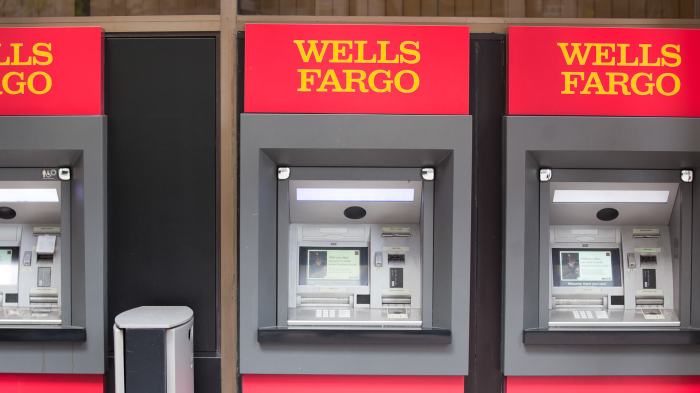
    ATMs allow you to deposit cash without having to visit a branch. Simply insert your card, enter your PIN, and follow the on-screen instructions.

    • Locate an ATM that accepts deposits.
    • Insert your Wells Fargo debit or ATM card and enter your PIN.
    • Select the “Deposit” option.
    • Insert your cash into the designated slot.
    • Review and confirm the amount you are depositing.
    • Select “Deposit” to complete the transaction.

    Limits and Fees:ATMs typically have daily deposit limits, which vary depending on the ATM and your account type. There may also be fees associated with ATM deposits, especially if you are using a non-Wells Fargo ATM.

    With a Teller

    You can deposit cash at any Wells Fargo branch during regular business hours. Simply bring your cash and a valid ID to the teller.

    • Visit a Wells Fargo branch and take a number.
    • When your number is called, approach the teller and present your cash and ID.
    • The teller will count the cash and verify your identity.
    • The teller will provide you with a receipt for your deposit.

    Limits and Fees:There are no limits on the amount of cash you can deposit with a teller. However, there may be fees associated with teller deposits for non-Wells Fargo customers.

    Mobile Deposit

    Mobile deposit allows you to deposit checks and cash using your smartphone. To use this service, you must have the Wells Fargo Mobile app and a compatible device.

    • Log in to the Wells Fargo Mobile app.
    • Select the “Deposit” option.
    • Choose the account you want to deposit the cash into.
    • Enter the amount of cash you are depositing.
    • Take a picture of the front and back of your cash.
    • Review and confirm the deposit information.
    • Submit your deposit.

    Limits and Fees:Mobile deposit limits vary depending on your account type and the amount of cash you are depositing. There are no fees for Wells Fargo customers, but non-Wells Fargo customers may be charged a fee.

    Direct Deposit

    Direct deposit allows you to have your paycheck or other regular payments deposited directly into your Wells Fargo account. This is a convenient and secure way to deposit cash without having to visit a branch or use an ATM.

    • Contact your employer or the organization sending the payment.
    • Provide them with your Wells Fargo account number and routing number.
    • The payment will be deposited directly into your account on the scheduled date.

    Limits and Fees:There are no limits or fees associated with direct deposit.

    ATM Deposit Features

    Wells Fargo ATMs offer convenient and secure cash deposit options. These ATMs are equipped with advanced features that enhance the user experience and protect customer funds.

    Envelope-Free Deposit

    Wells Fargo ATMs feature envelope-free deposits, eliminating the need for envelopes or deposit slips. Customers can simply insert cash directly into the designated slot, and the ATM will automatically count and credit the funds to their account.

    Security Measures

    To ensure the safety of customer funds, Wells Fargo ATMs employ multiple security measures. These include:

    • Surveillance cameras:Monitor the ATM area for suspicious activity.
    • Secure cash vaults:Protect deposited cash from theft or tampering.
    • Encrypted transactions:Safeguard customer information during the deposit process.

    Mobile Deposit Process

    Fargo wells gobankingrates manage deposit banking checking bills between quinnipiac

    Wells Fargo’s mobile deposit service offers a convenient and secure way to deposit checks remotely using your smartphone or tablet. This service is available to eligible Wells Fargo customers with an active mobile banking account.

    Eligibility and Requirements

    • Active Wells Fargo mobile banking account
    • Smartphone or tablet with the Wells Fargo mobile app installed
    • Eligible check (see below for limitations)

    How to Make a Mobile Deposit, Wells fargo deposit cash

    1. Log in to the Wells Fargo mobile app on your device.
    2. Select “Deposit” from the main menu.
    3. Choose the account you want to deposit to.
    4. Follow the on-screen instructions to take pictures of the front and back of the check.
    5. Enter the check amount and any necessary memo information.
    6. Review the deposit details and confirm the transaction.

    Processing Times and Limitations

    • Mobile deposits are typically processed within one business day.
    • The maximum daily mobile deposit limit is $5,000.
    • Eligible checks include personal, business, and government checks.
    • Cashier’s checks and money orders cannot be deposited via mobile deposit.

    Deposit Verification and Tracking

    Once you’ve deposited cash at a Wells Fargo ATM or branch, you’ll want to verify that the transaction was successful and track its status. Here’s how:

    Deposit Verification

    • ATM Receipt:After making a deposit at an ATM, you’ll receive a receipt that confirms the transaction details, including the amount deposited and the date and time.
    • Branch Teller:If you make a deposit at a branch, the teller will provide you with a deposit slip that serves as a receipt.
    • Online Banking:You can also check your deposit status online by logging into your Wells Fargo account and viewing your transaction history.

    Deposit Tracking

    Once you’ve verified the deposit, you can track its status online or through the Wells Fargo mobile app:

    • Online Banking:Log into your Wells Fargo account, navigate to the “Deposits” section, and select the specific deposit you want to track.
    • Mobile App:Open the Wells Fargo mobile app, tap on “Accounts,” and then select the account you made the deposit into. You’ll see a list of recent transactions, including the deposit.

    Deposit Availability Timeframe

    The timeframe for deposit availability varies depending on the deposit method:

    • ATM Deposits:Deposits made at Wells Fargo ATMs are typically available immediately.
    • Branch Deposits:Deposits made at a Wells Fargo branch are usually available on the next business day.
    • Mobile Deposits:Mobile deposits may take up to two business days to become available.

    Note that these timeframes are estimates, and the actual availability may vary depending on factors such as the time of day the deposit is made and any potential processing delays.

    Last Point

    Wells fargo deposit cash

    In conclusion, Wells Fargo deposit cash offers a comprehensive range of options, ensuring that you can deposit cash conveniently, securely, and efficiently. Whether you prefer the traditional approach of ATMs and tellers or the modern convenience of mobile deposits, Wells Fargo has you covered.

    Embrace the ease and security of Wells Fargo deposit cash today and experience the difference.

    Quick FAQs: Wells Fargo Deposit Cash

    Can I deposit cash at any Wells Fargo ATM?

    Yes, most Wells Fargo ATMs accept cash deposits.

    What are the limits for cash deposits at Wells Fargo ATMs?

    The limits vary depending on the ATM and your account type. You can check the ATM screen or contact Wells Fargo for specific limits.

    Can I deposit checks using the Wells Fargo mobile app?

    Yes, you can deposit checks using the Wells Fargo mobile app. However, there may be limits on the amount and number of checks you can deposit.

  • Cheap LLC Insurance: Essential Coverage for Your Business

    Cheap LLC Insurance: Essential Coverage for Your Business

    Cheap LLC insurance is the cornerstone of safeguarding your business from financial risks. This guide will navigate you through the intricacies of LLC insurance, empowering you to make informed decisions and secure your company’s well-being.

    Delve into the diverse coverage options, understand the limitations, and discover strategies to minimize costs without compromising protection. Learn from real-world examples and case studies, and master the art of negotiating premiums to optimize your insurance investment.

    Coverage Options and Limitations

    LLC insurance, short for limited liability company insurance, provides a safety net for businesses by protecting them from financial losses and legal liabilities. Understanding the coverage options and limitations of LLC insurance is crucial for business owners to make informed decisions about their insurance needs.

    LLC insurance policies typically offer a range of coverage options, including:

    • General liability insurance:Protects against claims of bodily injury, property damage, and personal injury arising from the business’s operations.
    • Property insurance:Covers physical assets such as buildings, equipment, and inventory against risks like fire, theft, and natural disasters.
    • Business interruption insurance:Provides coverage for lost income and expenses if the business is forced to suspend operations due to a covered event.
    • Errors and omissions insurance (E&O):Protects against claims of negligence or mistakes made in the course of providing professional services.
    • Directors and officers (D&O) insurance:Protects the personal assets of company directors and officers from claims related to their management decisions.

    It’s important to note that LLC insurance policies may have limitations and exclusions. For instance, some policies may exclude coverage for certain high-risk activities or intentional acts. It’s essential to carefully review the policy language to understand the specific terms and conditions.

    For example, general liability insurance may not cover claims arising from the sale of defective products or injuries sustained by employees. Property insurance may exclude coverage for flood damage or earthquakes. Business interruption insurance may have a waiting period before benefits are payable.

    Understanding the coverage options and limitations of LLC insurance empowers business owners to make informed decisions about their insurance needs. By carefully tailoring their insurance coverage to their specific risks, they can protect their business from financial losses and ensure its long-term success.

    Factors Affecting Cost

    The cost of LLC insurance is influenced by a multitude of factors, including the nature of your business, its size, and its location. Understanding these factors can empower you to make informed decisions and optimize your insurance coverage without sacrificing protection.

    Industry, Cheap llc insurance

    The industry in which your LLC operates significantly impacts insurance premiums. High-risk industries, such as construction or manufacturing, typically incur higher premiums due to the increased likelihood of accidents and liability claims.

    Number of Employees

    As the number of employees in your LLC grows, so does your potential liability exposure. Insurance companies recognize this increased risk and adjust premiums accordingly. Having a larger workforce often translates to higher insurance costs.

    Location

    The location of your LLC can also affect insurance premiums. Areas with higher crime rates or natural disaster risks may result in elevated premiums. Additionally, state regulations and legal requirements can vary, influencing the cost of coverage.

    Strategies for Reducing Costs

    While it’s crucial to maintain adequate insurance coverage, there are strategies you can employ to minimize costs without compromising protection:

    • Increase Deductible:Raising your deductible can lower your premiums. However, ensure you select a deductible you can comfortably afford in case of a claim.
    • Bundle Policies:Combining multiple insurance policies, such as general liability and property insurance, with the same provider can often lead to discounts.
    • Maintain Good Safety Practices:Implementing and adhering to robust safety measures can reduce the likelihood of accidents and claims, potentially lowering your premiums.

    Comparison of Providers

    Insurance liability cheapest losses mortgage fulfill fotolog

    When selecting an LLC insurance provider, it’s essential to compare options to find the best fit for your business needs and budget. Here’s a comparison of reputable providers to help you make an informed decision:

    Coverage Options and Limits

    • Insureon:Offers comprehensive coverage options, including general liability, property, professional liability, and errors and omissions (E&O) insurance. Limits vary depending on the policy and business.
    • Hiscox:Provides tailored insurance packages designed specifically for LLCs, with customizable coverage options and high limits.
    • The Hartford:Offers a wide range of insurance products, including general liability, commercial property, and directors and officers (D&O) liability insurance. Limits are determined based on business size and risk profile.
    • Zurich:Provides comprehensive insurance solutions for LLCs, including general liability, commercial property, and cyber liability insurance. Limits are adjustable to meet specific business needs.

    Pricing and Discounts

    • Insureon:Offers competitive pricing and discounts for multiple policies, safety measures, and online enrollment.
    • Hiscox:Provides tailored pricing based on business risk and coverage needs, with discounts available for long-term policies and claims-free history.
    • The Hartford:Offers flexible pricing options and discounts for bundled policies, loss prevention measures, and online enrollment.
    • Zurich:Provides competitive pricing and discounts for safety initiatives, claims-free history, and online enrollment.

    Customer Service and Support

    • Insureon:Provides 24/7 customer support via phone, email, and live chat, with a dedicated team of insurance experts.
    • Hiscox:Offers dedicated account managers, claims support, and online resources for policyholders.
    • The Hartford:Provides access to a network of local agents, online support, and a claims reporting hotline.
    • Zurich:Offers 24/7 customer support, claims assistance, and online policy management tools.

    Case Studies and Examples

    Cheap llc insurance

    Numerous LLCs have reaped significant benefits from obtaining affordable insurance coverage. These case studies and real-world examples vividly illustrate the protective role of LLC insurance in safeguarding businesses from financial setbacks.

    Consider the case of “ABC Landscaping LLC,” a small business that specializes in lawn care and landscaping services. Despite their meticulous attention to safety, an unexpected accident occurred during a routine maintenance visit, resulting in damage to a client’s property.

    Fortunately, ABC Landscaping LLC had procured comprehensive general liability insurance, which promptly covered the repair costs, preventing the business from incurring substantial financial losses.

    Real-World Examples

    Another compelling example is “XYZ Construction LLC,” a medium-sized construction company. During a major project, a subcontractor’s negligence led to a construction defect, potentially exposing XYZ Construction LLC to costly legal claims. However, their builders risk insurance provided crucial protection, covering the legal expenses and damages associated with the defect, ensuring the business’s financial stability.

    These case studies underscore the immense value of having adequate LLC insurance coverage. It acts as a safety net, protecting businesses from unforeseen events that could otherwise jeopardize their financial well-being.

    Tips for Negotiating Premiums

    Negotiating lower premiums with insurance companies requires preparation and understanding of your needs and the market. Building a strong relationship with your insurance agent can also provide leverage in securing favorable terms.

    Strategies for Obtaining Discounts and Concessions

    *

    -*Review your coverage

    Analyze your current policy to identify any unnecessary or overlapping coverages. Removing these can reduce your premium.

    • -*Increase your deductible

      Raising your deductible can lower your premium, but ensure it remains affordable for you in case of a claim.

    • -*Bundle policies

      Combining multiple policies, such as auto and homeowners insurance, with the same provider often results in discounts.

    • -*Ask for loyalty discounts

      Long-term customers may qualify for loyalty discounts or rewards.

    • -*Inquire about group discounts

      If you’re a member of an organization or association, you may be eligible for group discounts on insurance premiums.

    • -*Maintain a good claims history

      A clean claims history demonstrates responsible behavior, which can lead to lower premiums.

    • -*Shop around and compare quotes

      Obtain quotes from multiple insurance providers to compare coverage and premiums.

    Importance of Building a Strong Relationship with Your Insurance Agent

    A strong relationship with your insurance agent can provide several benefits during premium negotiations:*

    -*Personalized advice

    Your agent can assess your individual needs and recommend tailored coverage options that fit your budget.

    • -*Advocacy

      Your agent can advocate on your behalf during premium negotiations, ensuring your interests are represented.

    • -*Long-term savings

      By building a lasting relationship, you can benefit from ongoing discounts and loyalty rewards over time.

    Final Wrap-Up

    Cheap llc insurance

    In the realm of business, cheap LLC insurance stands as a beacon of financial security, empowering entrepreneurs to navigate the complexities of risk management. Embrace the insights presented here, and equip your LLC with the insurance shield it deserves, ensuring its resilience and prosperity.

    Questions Often Asked: Cheap Llc Insurance

    What are the key factors that affect the cost of LLC insurance?

    Factors such as industry, number of employees, location, and claims history can influence insurance premiums.

    Can I negotiate lower premiums for my LLC insurance?

    Yes, building a strong relationship with your insurance agent and exploring discounts and concessions can help you secure favorable premiums.

    What are the common exclusions found in LLC insurance policies?

    Exclusions may vary, but common ones include intentional acts, criminal activities, and certain types of professional negligence.

  • Commercial General Liability Insurance: A Safeguard for Small Businesses

    Commercial General Liability Insurance: A Safeguard for Small Businesses

    Commercial general liability insurance for small business – In the realm of small businesses, commercial general liability insurance emerges as an indispensable safeguard, providing a robust shield against unforeseen risks that threaten the stability and reputation of these ventures. This comprehensive coverage extends its protective umbrella over a wide spectrum of potential perils, empowering small businesses to navigate the complexities of the business landscape with confidence.

    As we delve into the intricacies of commercial general liability insurance, we will uncover its multifaceted nature, exploring the types of risks it covers, the factors that influence its cost, and the strategies for managing claims effectively. By illuminating the path towards tailored insurance solutions, this discourse aims to empower small business owners with the knowledge and tools they need to protect their enterprises and thrive in an ever-evolving marketplace.

    Understanding Commercial General Liability Insurance (CGL) for Small Businesses

    Commercial General Liability (CGL) insurance is an essential coverage for small businesses. It provides protection against financial losses resulting from third-party claims of bodily injury, property damage, or advertising injury. By understanding the purpose, coverage, and risks covered by CGL insurance, small businesses can safeguard their operations and minimize potential liabilities.

    Types of Risks Covered by CGL Insurance

    CGL insurance covers a wide range of risks that can arise in the course of a small business’s operations. These risks include:

    • Bodily injury:Claims for injuries sustained by third parties due to the business’s negligence or products.
    • Property damage:Claims for damage to third-party property caused by the business’s operations or products.
    • Advertising injury:Claims for damages resulting from the business’s advertising, such as libel, slander, or copyright infringement.

    Common Claims Covered by CGL Insurance

    CGL insurance covers a variety of common claims that small businesses may face. These claims include:

    • Customer injuries on business premises
    • Damage to customer property during service or delivery
    • Accusations of false advertising or defamation
    • Legal expenses associated with defending against third-party claims

    Assessing Your Business’s CGL Insurance Needs

    Liability

    Assessing your business’s commercial general liability (CGL) insurance needs is crucial for protecting your company against potential risks and financial losses. Here’s a comprehensive guide to help you determine the appropriate coverage limits and identify potential gaps in your insurance plan.

    Factors to Consider

    • Size of the Business:Larger businesses with more employees and operations typically require higher coverage limits.
    • Industry:Different industries pose varying levels of risk. For example, businesses involved in construction or manufacturing may need more coverage than office-based businesses.
    • Location:The location of your business can influence insurance rates due to factors such as crime rates and natural disaster risks.
    • Potential Risks:Identify specific risks associated with your business operations, such as customer injuries, property damage, or professional negligence.
    • Existing Insurance Coverage:Review your current insurance policies to identify any overlaps or gaps in coverage.

    Tips for Identifying Potential Risks and Gaps in Coverage

    To ensure adequate protection, consider the following tips:

    • Conduct a Risk Assessment:Thoroughly evaluate your business operations to identify potential risks and vulnerabilities.
    • Review Industry Benchmarks:Compare your insurance coverage with industry standards to ensure you’re adequately protected.
    • Consult with an Insurance Broker:An experienced insurance broker can provide valuable insights and help you tailor your CGL insurance plan to meet your specific needs.

    Comparing and Selecting CGL Insurance Policies

    Commercial general liability insurance for small business

    Selecting the most appropriate CGL insurance policy for your small business is crucial. It entails a thorough evaluation of various policies, considering factors such as coverage limits, deductibles, and exclusions. The following table compares different CGL insurance policies from multiple providers to assist you in making an informed decision.

    Policy Comparison Table

    Provider Coverage Limits Deductibles Exclusions
    Provider A $1,000,000 per occurrence/$2,000,000 aggregate $500 Pollution, intentional acts, and workers’ compensation
    Provider B $2,000,000 per occurrence/$4,000,000 aggregate $1,000 Cybersecurity breaches, professional negligence, and contractual liability
    Provider C $500,000 per occurrence/$1,000,000 aggregate $250 Product liability, bodily injury to employees, and property damage to owned property

    Evaluating and Selecting a Policy

    To select the most suitable policy, consider the following:

    • Coverage Limits:Ensure the policy provides adequate coverage for potential liabilities.
    • Deductibles:Choose a deductible that balances affordability with financial protection.
    • Exclusions:Carefully review exclusions to identify potential gaps in coverage.
    • Reputation and Financial Stability:Select a reputable insurer with a strong financial track record.
    • Customer Service:Consider the insurer’s responsiveness and support in case of a claim.

    Managing CGL Insurance Costs

    Commercial general liability insurance for small business

    Managing the costs of commercial general liability (CGL) insurance is crucial for small businesses. Understanding the factors that influence premiums and implementing strategies to reduce expenses can help businesses maintain adequate coverage without breaking the bank.

    Several key factors impact CGL insurance costs:

    Deductibles

    • Deductibles represent the amount a business pays out-of-pocket before insurance coverage kicks in.
    • Higher deductibles generally result in lower premiums.
    • Businesses should consider their financial capabilities and risk tolerance when selecting a deductible.

    Policy Limits

    • Policy limits determine the maximum amount an insurer will pay for covered claims.
    • Higher policy limits increase premiums.
    • Businesses should carefully assess their potential risks and choose limits that provide adequate protection.

    Claims History

    • A business’s claims history can significantly affect its insurance premiums.
    • Businesses with a history of frequent or severe claims may face higher premiums.
    • Maintaining a good claims history can help keep premiums low.

    In addition to these factors, businesses can consider the following strategies to manage CGL insurance costs:

    Negotiating with Insurance Providers

    • Negotiating with insurance providers can help secure better rates and terms.
    • Businesses should compare quotes from multiple insurers and be prepared to provide supporting documentation to justify their request for lower premiums.
    • Building a strong relationship with an insurance broker can also facilitate negotiations.

    Exploring Discounts, Commercial general liability insurance for small business

    • Many insurance providers offer discounts for certain safety measures or risk management practices.
    • Businesses should inquire about available discounts and implement measures to qualify for them.
    • Common discounts include those for installing security systems, conducting safety training, and maintaining good credit.

    By understanding the factors that influence CGL insurance costs and implementing strategies to manage them, small businesses can effectively protect their operations while minimizing expenses.

    Filing and Managing CGL Insurance Claims

    Filing and managing a CGL insurance claim can be a complex process, but it’s essential to understand the steps involved to ensure your claim is processed efficiently and fairly. This section will guide you through the process, including the documentation required, the steps for submitting a claim, and tips for managing the claims process.

    Documenting Your Claim

    When you file a CGL insurance claim, you will need to provide detailed documentation to support your request. This documentation may include:

    • A copy of your CGL insurance policy
    • A description of the incident that led to the claim
    • Documentation of the damages or injuries sustained
    • Contact information for any witnesses or other parties involved
    • Medical records or other documentation of expenses incurred as a result of the incident

    Submitting Your Claim

    Once you have gathered the necessary documentation, you can submit your claim to your insurance company. You can typically do this online, by mail, or over the phone. Be sure to provide all of the required information and documentation, and keep a copy of your claim for your records.

    Managing the Claims Process

    Once you have submitted your claim, the insurance company will begin investigating the incident. This may involve contacting you for additional information, reviewing your documentation, and conducting an inspection of the damaged property. It’s important to cooperate with the insurance company throughout the claims process and provide them with any information they request.

    If the insurance company approves your claim, they will issue a payment to cover the damages or injuries sustained. However, it’s important to note that the insurance company may also negotiate with you to settle the claim for a lower amount.

    It’s important to carefully consider any settlement offers and to consult with an attorney if you have any questions about the settlement process.

    Summary: Commercial General Liability Insurance For Small Business

    In conclusion, commercial general liability insurance serves as a cornerstone of risk management for small businesses, safeguarding them from a multitude of potential liabilities. By understanding the coverage it provides, assessing their unique needs, and selecting a policy that aligns with their specific requirements, small business owners can mitigate risks, protect their assets, and foster a climate of growth and prosperity.

    As they navigate the complexities of the business world, this invaluable insurance tool empowers them to operate with confidence, knowing that they are shielded from unforeseen events that could jeopardize their endeavors.

    Q&A

    What are the key types of risks covered by commercial general liability insurance?

    Commercial general liability insurance typically covers three main types of risks: bodily injury, property damage, and advertising injury. Bodily injury coverage protects against claims arising from physical harm to others, while property damage coverage provides protection against claims for damage to the property of others.

    Advertising injury coverage, on the other hand, safeguards against claims for libel, slander, or copyright infringement.

    How can small businesses determine the appropriate coverage limits for their commercial general liability insurance?

    To determine the appropriate coverage limits for commercial general liability insurance, small businesses should consider factors such as the size of their business, the industry they operate in, and their location. The potential risks associated with their operations and the value of their assets should also be taken into account.

    It is advisable to consult with an insurance professional to assess individual needs and tailor the coverage accordingly.

    What are some strategies for managing the costs of commercial general liability insurance?

    There are several strategies that small businesses can employ to manage the costs of commercial general liability insurance. These include increasing their deductible, bundling their insurance policies, and maintaining a good claims history. Additionally, exploring discounts and negotiating with insurance providers can also help reduce premiums.

  • Unveiling Small Business Liability Insurance Coverage: A Comprehensive Guide to Protect Your Enterprise

    Unveiling Small Business Liability Insurance Coverage: A Comprehensive Guide to Protect Your Enterprise

    In the realm of business, safeguarding your enterprise against potential liabilities is paramount. Small business liability insurance coverage emerges as a crucial shield, empowering you to navigate unforeseen challenges with confidence. Join us as we delve into the intricacies of this essential protection, ensuring your business thrives in the face of adversity.

    Delve into the diverse types of coverage available, unraveling their significance and implications. Assess risks judiciously, guiding you towards selecting an optimal policy that aligns with your business’s unique needs. Understand the intricacies of policy provisions and endorsements, empowering you to make informed decisions that maximize protection.

    Coverage Types: Small Business Liability Insurance Coverage

    Small business liability insurance policies offer a range of coverage types to protect businesses from financial losses due to legal liabilities.

    Understanding the scope of coverage and exclusions is crucial to ensure adequate protection for your business.

    General Liability

    General liability insurance covers common risks faced by businesses, such as:

    • Bodily injury or property damage to third parties caused by the business or its employees
    • Legal defense costs in the event of lawsuits

    Property Damage, Small business liability insurance coverage

    Property damage liability insurance protects businesses against financial losses resulting from damage to property owned or rented by the business, including:

    • Damage caused by fire, theft, or vandalism
    • Loss of business income due to property damage

    Professional Liability

    Professional liability insurance, also known as errors and omissions insurance, protects businesses that provide professional services from claims of negligence or errors in their work.

    This coverage is particularly important for businesses such as accountants, lawyers, and architects.

    Risk Assessment and Policy Selection

    Small business liability insurance coverage

    Understanding the factors influencing the cost and coverage of liability insurance policies is crucial for small businesses. By assessing risks and selecting appropriate coverage limits, businesses can safeguard themselves against potential financial losses.

    Risk assessment involves identifying and evaluating potential threats to a business, including property damage, bodily injury, or legal actions. Factors like industry type, business size, location, and past claims history influence the level of risk.

    Factors Influencing Policy Cost and Coverage

    • Industry Type:High-risk industries, such as construction or manufacturing, face higher premiums due to increased potential for accidents and liability.
    • Business Size:Larger businesses typically have more employees and assets, leading to higher potential for claims and thus higher premiums.
    • Location:Businesses in areas with high crime rates or natural disaster risks may face higher premiums.
    • Claims History:Businesses with a history of claims will likely pay higher premiums as they pose a greater risk to insurers.

    Policy Selection Process

    Selecting an appropriate liability insurance policy involves several steps:

    • Assess Risks:Identify potential risks and determine the level of coverage needed.
    • Compare Quotes:Obtain quotes from multiple insurers to compare costs and coverage.
    • Consider Deductibles:Choose a deductible that balances premium costs with the level of risk tolerance.
    • Review Coverage Limits:Ensure coverage limits are sufficient to protect against potential losses.
    • Negotiate Premiums:Negotiate with insurers to secure the most favorable premium rates.

    Policy Provisions and Endorsements

    Liability insurance policies for small businesses typically include various provisions and endorsements that define the coverage terms and conditions. Understanding these provisions is crucial for ensuring adequate protection and avoiding coverage gaps.

    Key provisions include deductibles, exclusions, and additional insured endorsements. Deductibles represent the amount the business pays before the insurance coverage kicks in. Exclusions specify situations or events not covered by the policy. Additional insured endorsements extend coverage to parties other than the named insured.

    Deductibles

    • Deductibles help insurers manage risk and reduce premiums.
    • Higher deductibles lower premiums, while lower deductibles increase premiums but provide more immediate coverage.
    • Choosing an appropriate deductible requires balancing affordability and coverage needs.

    Exclusions

    • Exclusions are essential in defining policy coverage limits.
    • Common exclusions include intentional acts, criminal activities, and certain types of professional liability.
    • Businesses should carefully review exclusions to identify potential gaps in coverage.

    Additional Insured Endorsements

    • Additional insured endorsements extend coverage to parties with a financial interest in the insured’s business.
    • Examples include landlords, contractors, and vendors.
    • Adding additional insureds provides broader protection and reduces the risk of gaps in coverage.

    Claims Handling and Dispute Resolution

    Filing a claim under a small business liability insurance policy typically involves the following steps:

    • Notify the insurance company:Promptly report the incident or claim to the insurance company.
    • Submit a claim form:Provide detailed information about the incident, including the date, location, and description of the loss.
    • Cooperate with the investigation:The insurance company will investigate the claim and may request additional information or documentation.
    • Negotiate a settlement:If the claim is covered, the insurance company will negotiate a settlement with the policyholder.
    • Receive payment:Once the settlement is agreed upon, the insurance company will issue payment to the policyholder.

    The insurance company has a duty to act in good faith and to fairly evaluate the claim. The policyholder has a duty to cooperate with the investigation and to provide accurate information.

    Common Disputes

    Common disputes that may arise during the claims process include:

    • Coverage disputes:Disputes over whether the claim is covered under the policy.
    • Amount of damages:Disputes over the amount of damages that should be paid.
    • Duty to defend:Disputes over whether the insurance company has a duty to defend the policyholder in a lawsuit.

    These disputes can be resolved through negotiation, mediation, or litigation.

    Legal Considerations and Compliance

    Liability insurance

    Maintaining adequate liability insurance coverage is not just a prudent business decision but also a legal obligation for many small businesses. Failure to comply with these requirements can have severe consequences, including fines, lawsuits, and even business closure.

    Obligations under the Law

    • Many states have laws requiring businesses to carry certain types of liability insurance, such as workers’ compensation insurance and commercial general liability insurance.
    • Contracts with clients or vendors may require businesses to maintain specific levels of liability coverage.
    • Professional organizations or industry standards may mandate liability insurance for members or participants.

    Consequences of Non-Compliance

    • Fines or penalties imposed by regulatory agencies
    • Lawsuits filed by injured parties or aggrieved individuals
    • Loss of business reputation and credibility
    • Difficulty obtaining financing or bonding
    • In extreme cases, business closure or bankruptcy

    Compliance Guidance

    To ensure compliance with legal requirements and minimize risks, small businesses should:

    • Consult with legal counsel to determine applicable laws and regulations.
    • Review contracts carefully for insurance requirements.
    • Join industry organizations or professional associations that provide guidance on liability insurance.
    • Work with a reputable insurance agent or broker to obtain comprehensive coverage that meets legal obligations.
    • Maintain documentation of insurance policies and compliance efforts.

    Final Summary

    Small business liability insurance coverage

    As we conclude our exploration of small business liability insurance coverage, remember that securing adequate protection is not merely a legal obligation but an investment in your business’s future. Embrace this knowledge, fortify your enterprise against potential liabilities, and watch your business flourish with newfound confidence.

    Detailed FAQs

    What are the key types of coverage under small business liability insurance?

    General liability, property damage, and professional liability are fundamental types of coverage.

    How do I determine the appropriate coverage limits for my business?

    Conduct a thorough risk assessment, considering factors like industry, operations, and potential exposures.

    What is the role of deductibles in liability insurance?

    Deductibles represent the amount you pay out-of-pocket before insurance coverage kicks in.

    How can I file a claim under my small business liability insurance policy?

    Contact your insurance provider promptly, providing detailed documentation of the incident.